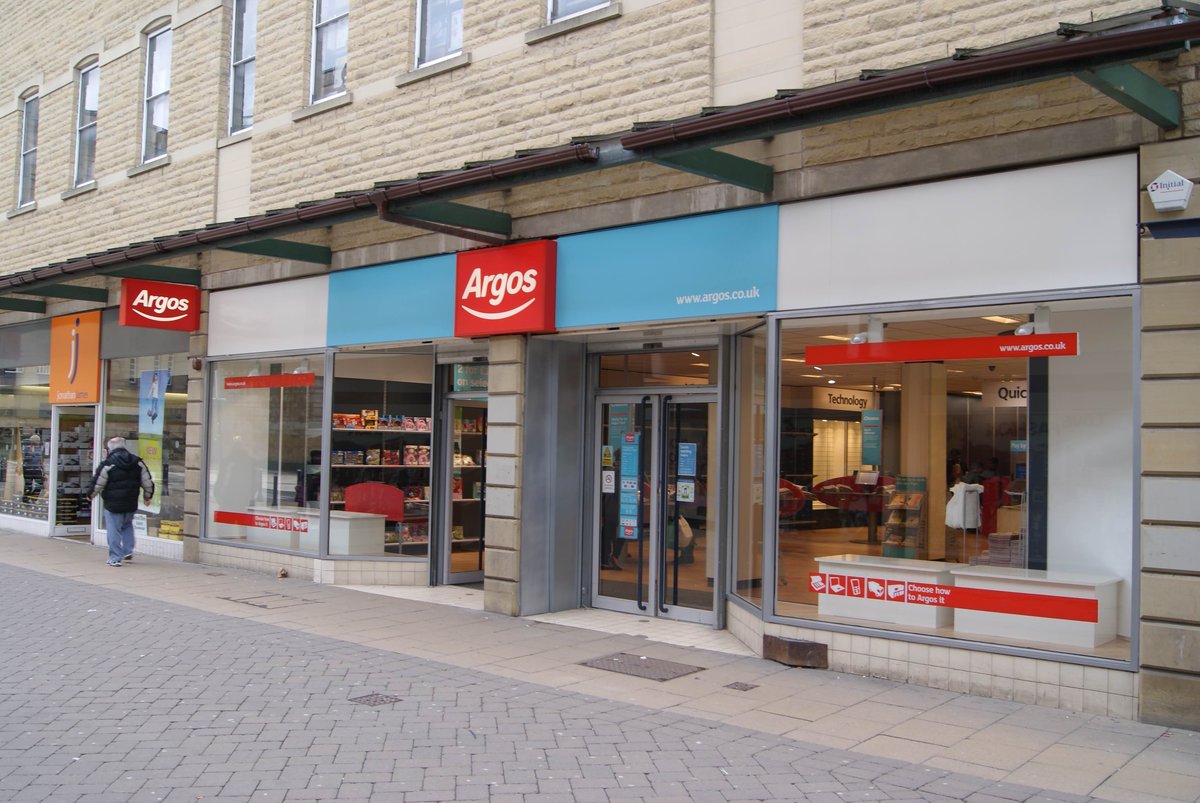
From Retail Ambition to Strategic Refocus
When Sainsbury’s acquired Home Retail Group in 2016 for £1.4 billion, the transaction represented one of the most significant strategic moves in UK retail. The vision was to combine one of Britain’s largest supermarket chains with the country’s best-known general merchandise retailer, creating a broader retail proposition capable of serving more customer needs through a single estate.
The commercial logic was compelling. Argos brought a nationwide click-and-collect network, established logistics capabilities and expertise in general merchandise. Sainsbury’s contributed a substantial supermarket footprint, a loyal grocery customer base and opportunities to share property, distribution and operating costs. Together, the combined business aimed to create greater convenience for customers while improving efficiency across the group.
For several years, the strategy appeared to make good progress. Hundreds of standalone Argos stores were relocated into Sainsbury’s supermarkets, digital sales became increasingly important and the business moved well beyond its catalogue-based heritage. Operationally, the integration achieved many of its original objectives, creating a more streamlined omnichannel retailer.
Market Conditions Changed Faster Than the Strategy
While the integration programme delivered operational improvements, the wider retail market continued to evolve at an even faster pace. Customer expectations around price, product availability and delivery speed continued to rise, led by online-first retailers with different cost structures and increasingly sophisticated fulfilment networks.
General merchandise also became a more demanding category in which to generate attractive returns. Greater price transparency, intense competition and changing consumer spending patterns placed sustained pressure on margins. Success increasingly depended on scale, supply chain efficiency and continual investment in technology.
These changes created an important strategic challenge. Although Argos remained a recognised consumer brand with strong digital capabilities, it was operating in a market where competitive advantages became increasingly difficult to sustain. The business required ongoing management attention and investment while delivering returns that compared less favourably with Sainsbury’s grocery operations.
Why Focus Matters in Corporate Strategy
Under the leadership of Simon Roberts, Sainsbury’s has steadily concentrated its efforts on strengthening its core food business. Investment has increasingly centred on grocery competitiveness, customer loyalty, operational execution and improving value for shoppers. Those priorities have delivered consistent improvements in performance and provided a clearer strategic direction for the business.
Against that backdrop, Argos gradually became less aligned with the group’s long-term priorities. Even where operational improvements were successful, the business continued to compete in a market with different dynamics, investment requirements and competitive pressures from those affecting food retail.
The sale of Argos therefore reflects a broader principle of corporate strategy. Diversification creates value when different parts of a business reinforce one another and improve overall returns. When market conditions change and those benefits become less significant, management teams often achieve stronger long-term results by concentrating capital and leadership attention on the areas where they hold the greatest competitive advantage.
What Swift Partners Could Mean for Argos
Argos will now enter a different phase under the ownership of Swift Partners, a private investment firm with experience in retail and consumer businesses. Although detailed plans have yet to be announced publicly, investors of this type typically seek to improve performance through disciplined operational management, careful capital allocation and a clear commercial focus.
Argos retains several valuable strengths. Brand recognition remains high across the UK, its digital platform is well established and its nationwide click-and-collect infrastructure continues to provide a useful advantage for customers who value convenience and flexibility. Those assets provide a strong foundation for future development.
A standalone ownership structure may also create greater strategic flexibility. Future priorities could include improving inventory efficiency, refining the store and fulfilment network, expanding third-party product ranges and developing a more asset-light operating model. Each of these initiatives has the potential to strengthen returns while allowing the business to focus entirely on the general merchandise market.
Strategic Success Depends on Adapting to Changing Markets
The sale of Argos closes an important chapter in UK retail strategy. The original acquisition was built on a logical commercial rationale and many elements of the integration were successfully delivered. Customer convenience improved, digital capabilities strengthened and the operating model became significantly more efficient.
The outcome also illustrates an important lesson for business leaders. A sound strategic decision should always be judged against the market conditions that exist today rather than those that existed when the decision was first made. Consumer behaviour, technology and competitive dynamics continue to evolve, requiring companies to reassess where they can generate the strongest long-term returns.
Sainsbury’s has concluded that its future is best served by concentrating on food retail, while Argos now has the opportunity to pursue a strategy designed specifically for its own market. Both businesses begin their next chapter with a clearer focus, allowing each to pursue objectives that are better aligned with its own strengths and long-term priorities.