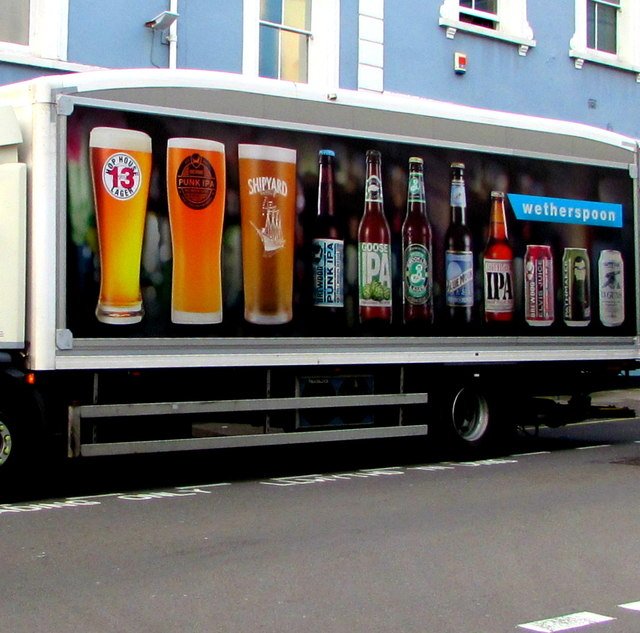
Wetherspoons’ Fourth Profit Warning: A Pivotal Moment for a UK Pub Giant
JD Wetherspoon’s fourth profit warning in seven months marks a turning point for one of the UK’s most recognisable pub brands. Despite its reputation for bargain pints and busy venues, the company has warned that full‑year profits will fall short of market expectations. Management now expects “marginally lower” sales in the final quarter combined with higher operating costs, crushing earlier hopes of a stronger finish to the year. Investors reacted quickly, with the share price sliding close to 10 per cent in early trading after the latest update.
The scale and frequency of the warnings matter because they challenge the long‑held view that Wetherspoons is structurally more resilient than many rivals. The group still runs around 800 pubs across the UK and Ireland, with a recently opened site in Spain, and like‑for‑like sales for the latest 12‑week period were up about 4 per cent. On the surface, that sounds respectable, but it is no longer enough to outrun a sharp rise in costs. When modest revenue growth meets relentless expense inflation, even high‑volume operators begin to feel the squeeze.
Cost Storm: How Food, Wages, Energy and Rates Are Squeezing Margins
The heart of Wetherspoons’ problem lies in a wall of rising costs that is eroding margins faster than sales can grow. Food prices have remained elevated as energy, transport and ingredient costs filter through supply chains, with chair Tim Martin highlighting the “secondary effects” of earlier energy spikes that are still working their way into invoices. Labour has become significantly more expensive too, with recent increases in the UK minimum wage pushing up pay across the board to maintain internal pay differentials. These pressures are compounded by higher repair bills and business rates, which are largely non‑discretionary and therefore difficult to trim without damaging the estate or breaching legal obligations.
Energy costs remain a particularly thorny issue for the hospitality sector, including Wetherspoons. Even as headline wholesale prices show signs of easing, many businesses are locked into contracts signed at less favourable points in the market. Heating, lighting and refrigeration are unavoidable in pubs, and their cost can swing profitability dramatically when volumes are only inching ahead. Business rates add another layer of strain, as they are based on property values and assessed periodically, making them slow to respond to downturns but quick to lock in higher charges. This cocktail of structural costs leaves little room for error when trading conditions soften.
World Cup and Weather: Why the Usual Tailwinds Didn’t Deliver
Major football tournaments and warm summer weather have historically been a gift to pubs, with packed bar areas and booming food orders. This year, many operators reported exactly that pattern, citing the World Cup and sunshine as a driver of stronger sales. But Wetherspoons has been an outlier, acknowledging that its sales lift was underwhelming compared with previous events. One challenge was the timing of matches, with late kick‑offs dictated by the North American hosts dampening early‑evening trade and cutting into peak food‑service hours. For a model built on high volume and fast table turnover, those subtle shifts in consumer behaviour can have outsized financial consequences.
The contrast with peers such as Fuller’s and Marston’s is striking and has unnerved investors. Rival pub groups have talked about “making the most” of both good weather and football‑fuelled demand, reporting trading that is broadly in line with or ahead of expectations. By comparison, Wetherspoons’ slower‑than‑hoped sales suggest either a brand‑specific issue, a footprint mismatch with key event locations, or a customer base that is more price‑sensitive and cautious. Whatever the mix, it means that an external boost that should have offset costs instead merely softened the blow. When cyclical tailwinds fail to translate into a tangible uplift, confidence in the earnings recovery story is naturally dented.
Brexit, Tax and Low Prices: A Business Model Under Fresh Scrutiny
For years, Wetherspoons has differentiated itself through aggressive pricing and a combative stance on policy, tax and regulation. Tim Martin, a high‑profile supporter of Brexit, has repeatedly criticised what he views as unfair treatment of pubs compared with supermarkets, particularly on VAT and alcohol duty. He has also argued that rising minimum wages and business rates undermine job creation and threaten the viability of hospitality businesses. In recent communications, he has urged industry peers to back proposals from political challengers to cut VAT for the sector to 10 per cent, arguing that such a move would restore competitiveness.
Yet the latest profit warning raises questions about how far low prices can be protected in the current environment. Wetherspoons’ “enduring value proposition” still attracts customers, as analysts note, but converting that footfall into sustainable profit has become harder. With costs climbing and competition reporting better trading, the company is caught between keeping prices low to defend volume and raising them enough to rebuild margins. Martin has said the group will “endeavour to keep price increases to a minimum”, but that pledge becomes more difficult to maintain when four profit warnings land in rapid succession. The longer this tension persists, the more pressure builds to re‑examine elements of the model that were once taken for granted.
Debt, Investor Sentiment and the Road Ahead for Wetherspoons
One relative bright spot in the latest update is Wetherspoons’ debt profile. Net debt is now expected to be around £720m, in line with the end of the last financial year and below earlier forecasts of up to £760m. Holding leverage broadly steady in a year of acute cost pressure suggests a measure of financial discipline and may offer some comfort to lenders. However, the absolute level of borrowing remains substantial, and with interest rates still elevated by recent standards, financing costs will continue to weigh on the bottom line. Debt that once looked manageable in a low‑rate world feels heavier when margins are tightening.
From an investment perspective, sentiment has clearly cooled, even as the brand retains a loyal following among customers. Market commentators acknowledge Wetherspoons’ “dogged determination” and track record of turning difficult situations around, but they also highlight mounting uncertainties. Four profit warnings in seven months naturally test even supportive shareholders, especially when peers are reporting more upbeat trading. The key questions now are whether cost inflation will moderate, whether sales can accelerate beyond mid‑single‑digit growth, and whether management will adjust pricing, estate strategy or lobbying efforts to restore confidence. Until clearer answers emerge, the jury is likely to remain out on the company’s near‑term prospects.