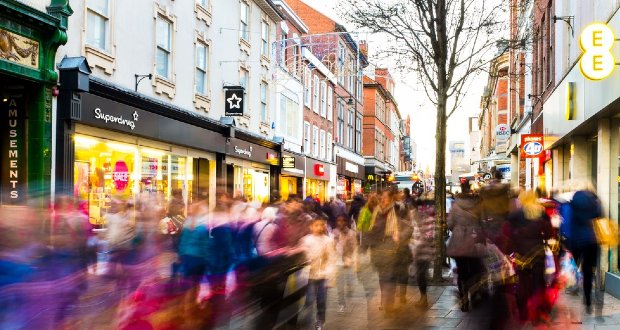
The Changing Fortunes of British High Street Retailers
For much of the past two decades, the future of the British high street appeared increasingly uncertain. The rapid expansion of Amazon and other online marketplaces raised questions about whether traditional retailers could remain competitive. With consumers enjoying greater choice, competitive prices and convenient home delivery, the advantages of shopping online were becoming difficult to ignore.
The consequences for UK retail were significant. Established chains faced declining footfall, rising operating costs and growing pressure to invest in ecommerce. Several familiar high street names disappeared, while others reduced their store portfolios or underwent substantial restructuring. The expectation was that online retail would continue taking market share from physical stores, leaving traditional retailers with an increasingly limited role.
Recent results from several major British retailers suggest a more varied picture. Next, Dunelm and Currys have each demonstrated that established retail businesses can achieve profitable growth alongside Amazon. Their approaches differ considerably, reflecting the markets in which they operate, but each has developed a business model that combines the advantages of physical retail with the opportunities created by digital technology.
Next's Retail Strategy: Combining Ecommerce, Brand Strength and International Growth
Next has emerged as one of the stronger performers in British retail, supported by a strategy that has evolved considerably beyond its traditional clothing stores. The company recently reported a 10.5% increase in first-half pre-tax profits to £569 million and raised its full-year profit forecast to £1.255 billion. These results reflect the benefits of sustained investment in its online operations, international expansion and the development of a broader retail platform.
Central to Next's strategy is the combination of its established clothing and homeware ranges with a growing portfolio of third-party brands. Its online infrastructure allows the business to sell products from other retailers while providing services including warehousing, distribution and customer fulfilment. This approach creates additional revenue opportunities and allows Next to benefit from its existing technology and logistics capabilities. International sales have also become an increasingly important contributor to growth.
Physical stores continue to play a useful role within this model. They provide brand visibility, opportunities for customers to experience products and convenient locations for collecting and returning online purchases. Next has developed an integrated retail operation in which its stores, digital platforms and distribution network support one another. The result is a business capable of competing across several channels while making more productive use of its existing infrastructure.
Dunelm's Success: Specialist Homewares and the Value of Physical Stores
Dunelm illustrates how specialist retailers can retain a competitive position in categories where customers value product selection, quality and the opportunity to browse in person. The homewares business reported annual revenue of £1.83 billion, representing growth of 3.1%, while pre-tax profits remained broadly stable at £211 million. Its performance reflects the continued appeal of a focused retail proposition supported by an established national store network.
The company's product strategy centres on a broad selection of home furnishings, textiles and household accessories, including an extensive range of own-label products. These exclusive ranges help Dunelm differentiate its offering from general online marketplaces and provide greater control over product development, pricing and margins. Its specialist positioning also makes it a destination for customers undertaking home improvement and furnishing projects.
Dunelm has complemented these advantages with investment in ecommerce and multichannel shopping. Customers can research products online, check availability and arrange delivery or collection, while stores provide opportunities to assess materials, colours, dimensions and quality before purchasing. These considerations remain particularly relevant when buying curtains, bedding, furniture and other home furnishings. By combining digital convenience with the practical benefits of physical shopping, Dunelm has maintained a competitive position in a market increasingly influenced by online retailers.
Currys' Turnaround: Competing Through Customer Service and Recurring Revenue
Currys provides another example of how an established high street retailer can adapt its business model to changing consumer behaviour. The electrical retailer reported an 18% increase in adjusted pre-tax profits to £191 million for the financial year ending May 2026, alongside a 6% increase in revenue to £9.25 billion. Trading momentum continued into the new financial year, with UK and Ireland like-for-like sales increasing by 6% during the 17 weeks to 29 August and market share gains across its major product categories.
A central element of Currys' strategy is the development of services that complement its core electrical retail business. Customers purchasing computers, televisions, household appliances and mobile devices frequently require advice about specifications, compatibility and installation. Currys uses its stores and specialist employees to provide demonstrations, technical guidance, repairs and after-sales support. These services create opportunities to develop customer relationships beyond the initial purchase and help differentiate the business in a highly competitive market.
The company has also expanded its sources of revenue through customer financing, protection and support services, and its iD Mobile network. These activities can provide recurring income and support margins while encouraging customers to maintain longer-term relationships with the retailer. For Currys, the combination of physical stores, technical expertise and complementary services has become an important part of its competitive strategy. Its recent financial performance suggests that this approach is helping the business strengthen its position against online and traditional competitors.
The Future of UK Retail: What Successful High Street Businesses Have in Common
The experiences of Next, Dunelm and Currys highlight several important developments in the future of British retail. Each business has invested in ecommerce, but their competitive advantages extend beyond their websites. Next has developed a sophisticated retail and logistics platform, Dunelm has built its position around specialist products and the customer experience, while Currys has focused on technical expertise and services. Their strategies reflect a clear understanding of their respective markets and the reasons customers choose to shop with them.
Another common feature is the changing role of physical stores. Retail premises remain expensive to operate, particularly given pressures from employment costs, business rates and property expenses. However, stores can also contribute to online fulfilment, customer service, product demonstrations and brand recognition. Retailers that integrate these functions effectively have opportunities to improve the value generated by their store networks. This requires careful investment, operational discipline and a clear assessment of how customers prefer to shop.
Amazon has permanently altered consumer expectations around price, convenience, availability and delivery. Nevertheless, the recent performance of several established British retailers demonstrates that profitable growth remains possible for businesses with a distinctive proposition. The outlook for the UK high street will continue to be shaped by consumer spending, operating costs and technological change, but the success of Next, Dunelm and Currys suggests that physical retail will remain an important part of the market.