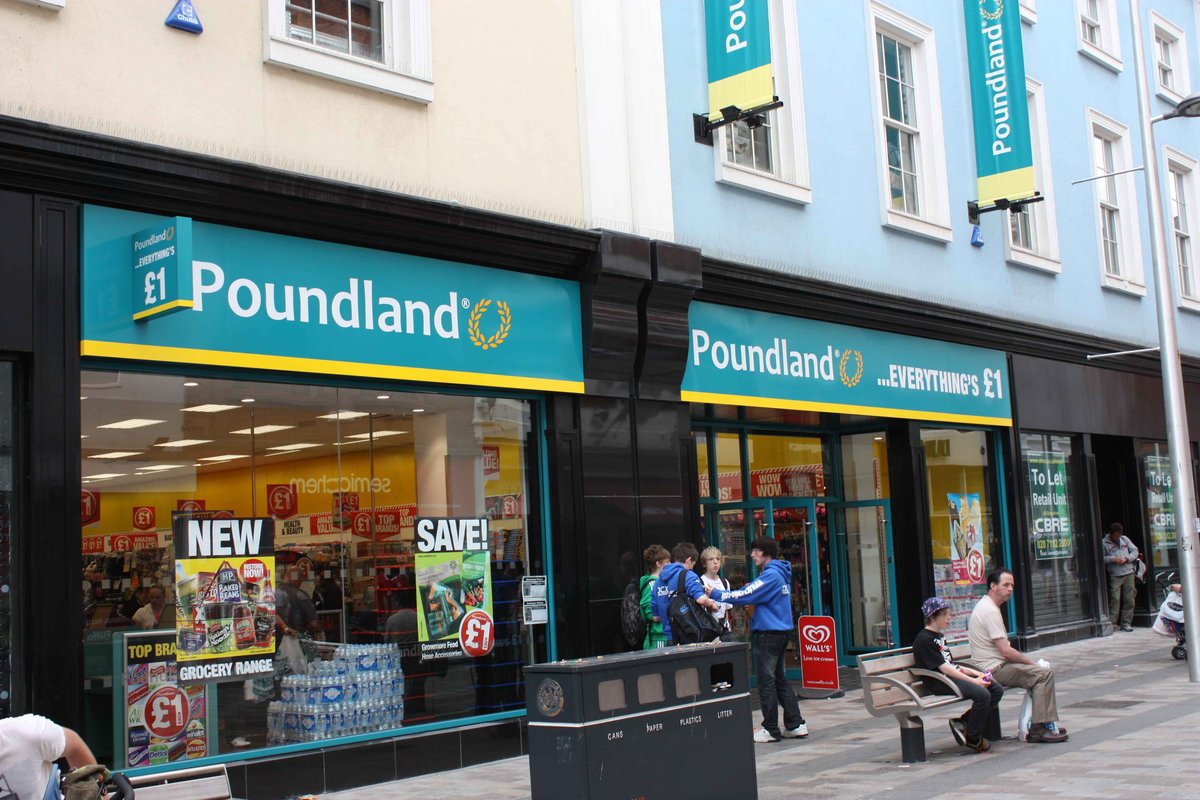
Poundland's Financial Recovery Raises Questions Over Its Future
Poundland is facing renewed uncertainty over its future despite reporting a substantial improvement in its financial performance. The discount retailer, which has undergone a major restructuring programme over the past year, has reportedly been prevented from purchasing new stock after its owner restricted access to funding. The situation has raised questions about whether the business will be able to continue trading through the crucial Christmas period.
According to unaudited figures shared with employees by managing director Barry Williams, Poundland moved from an EBITDA loss of £68.1 million in 2025 to a positive EBITDA of £18.1 million in 2026. This represents an £86.2 million improvement in operating performance within twelve months. The recovery follows a restructuring programme that included the closure of 115 stores, alongside efforts to reduce costs and improve the profitability of the remaining estate.
Recent trading figures also suggest that the business has regained some commercial momentum. Like-for-like sales reportedly increased by 7 per cent at the beginning of the new financial year, accelerating to 11.4 per cent during Halloween week. Although these figures have yet to be independently audited, they indicate that Poundland's restructuring measures may be delivering operational improvements. However, the company's immediate financial position remains uncertain, with restrictions on working capital threatening its ability to maintain stock levels.
Why Poundland's Owner Has Restricted Access to Working Capital
Poundland was acquired by American investment firm Gordon Brothers in June 2025 for a nominal consideration of £1, reflecting the financial difficulties facing the retailer at the time. The acquisition was followed by a restructuring intended to reduce operating costs, rationalise the store portfolio and establish a more sustainable business model. Gordon Brothers has subsequently maintained that Poundland remains financially vulnerable despite the reported improvement in profitability.
The retailer has reportedly been unable to place orders for new stock since 27 October, following restrictions imposed on its access to credit facilities and cash generated through trading. As of 3 November, approximately £25 million was reportedly held in bank accounts that Poundland's management could not access. The restrictions have left the company continuing to sell existing inventory while limiting its ability to replenish products. For a retailer operating on relatively low margins and depending on high sales volumes, maintaining sufficient stock availability is central to its commercial performance.
The timing is particularly difficult given the importance of Christmas trading to the UK retail sector. Seasonal products, promotional ranges and increased customer spending can make the final quarter an important contributor to annual profitability. Restrictions on stock purchasing during this period risk reducing sales, weakening supplier relationships and undermining customer confidence. Gordon Brothers' concerns about cash generation may be commercially justified, but the consequences of restricting working capital could extend beyond the company's immediate liquidity position.
EBITDA Versus Cash Flow: What Poundland's Financial Problems Reveal
Poundland's situation illustrates a recurring challenge in business turnaround and corporate restructuring: the relationship between operating profitability and cash flow. EBITDA, or earnings before interest, tax, depreciation and amortisation, is commonly used to assess underlying operating performance. However, it excludes several financial obligations that can materially affect a company's ability to meet its commitments, including debt servicing, capital expenditure and certain restructuring costs.
A company can therefore report positive EBITDA while continuing to experience significant cash flow pressures. Retail businesses are particularly exposed to working capital requirements because they must purchase inventory before receiving the proceeds from selling it. Supplier payment terms, seasonal demand, rent obligations and the timing of stock purchases all influence liquidity. A retailer emerging from a restructuring may also face exceptional costs associated with store closures, redundancy payments and changes to its supply chain. These commitments can place considerable pressure on cash reserves even as trading performance improves.
For Poundland, the central financial question is whether its improved operating results can translate into sustainable cash generation. An £86.2 million improvement in EBITDA is a significant development, but a proper assessment of the company's viability would also require detailed cash flow forecasts, debt obligations, supplier liabilities and future funding requirements. Equally, restricting access to working capital can affect the forecasts on which a turnaround plan depends. If a retailer cannot purchase the inventory required to generate sales, its capacity to fund ongoing operations will deteriorate. This creates a difficult balance between protecting available capital and providing the funding necessary to complete a recovery.
Poundland Administration Risk and the Potential Break-Up of the Business
The uncertainty surrounding Poundland has reportedly attracted interest from several potential buyers. Competing proposals to rescue the company as a going concern are understood to be under consideration, while major retailers including Tesco, B&M and Iceland have been linked with interest in parts of its store estate. These developments raise the possibility that Poundland's future could involve a sale of the entire operating business, a partial disposal of assets or a more extensive break-up.
For an investor or creditor, the financial merits of these options depend on the expected value recoverable from each outcome. Selling individual stores, leases or other assets may offer a more immediate route to recovering capital than continuing to fund a retailer whose long-term cash generation remains uncertain. However, an asset-by-asset disposal can also result in the loss of value associated with an established retail brand, its distribution infrastructure, supplier relationships and national store network. Assessing these alternatives requires consideration of both immediate financial recoveries and the potential future value of the business under a sustainable operating model.
The implications extend to Poundland's workforce, with more than 10,000 jobs potentially affected by the outcome. Members of Parliament have begun scrutinising Gordon Brothers' handling of the situation, reflecting wider concerns about the responsibilities of investors controlling financially distressed businesses. With a reported deadline approaching for the appointment of administrators, decisions over funding and ownership could determine whether Poundland continues operating in its current form. Any administration would also have consequences for landlords, suppliers and the communities served by its stores.
What Poundland's Crisis Means for Business Turnaround and Restructuring
Successful business turnaround programmes depend on a combination of operational improvement, financial restructuring and sufficient liquidity to support the recovery process. Cost reductions, store closures and improvements in sales productivity can strengthen profitability, but their benefits often take time to translate into cash. During this period, management must maintain the confidence of lenders, suppliers and investors while ensuring that the business has enough working capital to meet its trading requirements.
Poundland's reported performance suggests that meaningful progress has been made in addressing its operating losses. The closure of underperforming stores and recent improvements in like-for-like sales indicate that management has taken steps towards restoring commercial viability. Nevertheless, the company's financial position cannot be fully assessed from the information currently available. Gordon Brothers may have legitimate concerns about the sustainability of cash generation, the scale of future funding requirements or the potential losses associated with continuing to support the business. These considerations will influence whether further investment can be justified.
The outcome will provide an important case study in the challenges of rescuing distressed UK retailers. Poundland has reportedly achieved an £86.2 million improvement in operating performance, yet its future may depend on decisions about access to cash, creditor recoveries and the value of its underlying assets. For businesses undertaking restructuring, the case reinforces the importance of aligning operational recovery plans with realistic funding arrangements and forward-looking cash flow forecasts. Poundland's immediate challenge is to establish whether its improved trading performance can support a financially sustainable future, and whether its owners and creditors are prepared to provide the opportunity for that recovery to continue.