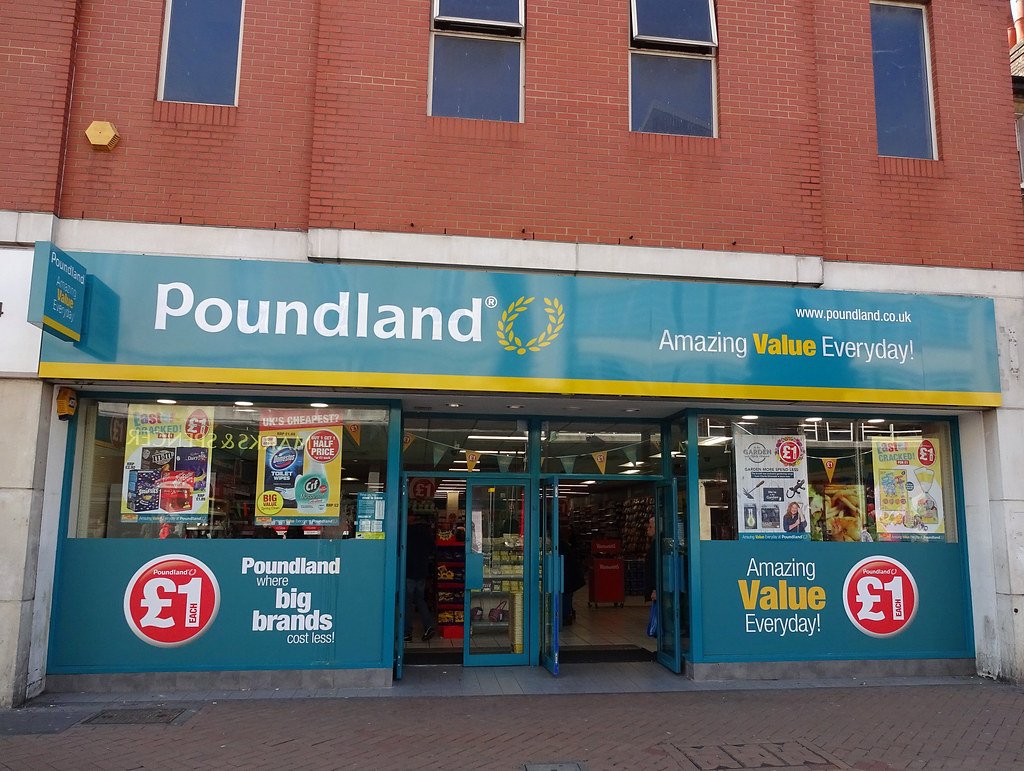
Poundland Secures More Time as Questions Grow Over Its Owner's Strategy
Poundland has secured a further 10 working days to find a buyer and avoid the immediate prospect of administration, providing temporary relief for its 10,500 employees. The extension follows mounting political pressure and concerns over the financial strategy being pursued by its owner, American restructuring firm Gordon Brothers. Additional funding has also been agreed to cover November's payroll and allow some stock replenishment ahead of the important Christmas trading period.
The intervention comes at a complicated point in Poundland's attempted turnaround. Management has reportedly improved EBITDA from a £68 million loss to an £18 million profit, an £86 million improvement that suggests considerable progress in addressing the retailer's operating performance. Yet restrictions on working capital and difficulties replenishing stock have raised questions about whether the business can continue trading without substantial additional financial support.
Political scrutiny has intensified following reports that Gordon Brothers has received approximately £18 million in fees and interest since acquiring Poundland for £1 in 2025. MPs have questioned whether the firm could generate greater financial returns from breaking up the retailer than from selling it as a going concern. While these concerns warrant examination, the wider financial position of Poundland and the structural challenges facing discount retailers deserve equal attention.
Why Poundland's Business Model Faces Growing Structural Challenges
Poundland was already experiencing significant financial difficulties before Gordon Brothers acquired the business. Its traditional high street model has come under sustained pressure from changing consumer behaviour and competition from discount retailers such as B&M and Home Bargains. These competitors have developed substantial retail park operations, offering customers larger stores, convenient parking and a broader selection of household products.
The retailer's original proposition, built around selling products for £1, has also become increasingly difficult to maintain. Inflation across manufacturing, transport, energy and employment has eroded the economics of fixed-price retailing. Although Poundland has diversified its pricing and product ranges, this has weakened some of the simplicity and differentiation that originally helped establish its position in the British retail market.
Successive governments have contributed to the cost pressures affecting the wider retail sector through increases in minimum wages, employer taxation and regulatory obligations. Additional employment protections have also increased compliance requirements and, in some cases, operating costs. Meanwhile, shoplifting and retail crime have become increasingly important concerns for retailers. Stock losses, commonly described as shrinkage, reduce already narrow margins and place further pressure on businesses operating in highly competitive, price-sensitive markets.
The Working Capital Problem Behind Poundland's Financial Difficulties
One of the most important distinctions in assessing Poundland's recovery is the difference between operating profitability and cash generation. An improvement in EBITDA provides evidence of progress, but it does not account for every financial obligation facing a business. Debt servicing, capital expenditure, restructuring costs and changes in working capital can absorb substantial amounts of cash even when operating earnings are positive. Consequently, Poundland's reported improvement in profitability cannot, by itself, establish whether the business has become financially sustainable.
Supplier credit insurance introduces another complication. Retailers commonly purchase stock on credit, allowing them to sell goods before paying suppliers. Credit insurers protect suppliers against the risk of customer insolvency, helping businesses maintain these arrangements. When insurers withdraw or reduce cover, suppliers may demand payment in advance for new deliveries. The resulting change can create an immediate requirement for additional working capital, particularly for retailers dependent on frequent stock replenishment.
The consequences can become more severe when payments intended for new supplies must also reduce existing insured debts. Depending on the arrangements between suppliers, lenders and insurers, a retailer may effectively need to finance both historical obligations and replacement stock. This can substantially increase the cash required to maintain normal trading. For Poundland, difficulties obtaining new inventory ahead of Christmas could undermine sales performance precisely when the business needs to demonstrate its ability to generate cash and attract a buyer.
Gordon Brothers, Restructuring Finance and the Economics of a Rescue
Gordon Brothers faces criticism over its handling of Poundland, particularly allegations concerning the financial returns it could achieve from selling the business in parts. The reported fees and interest payments have also prompted questions about how the firm's financial interests align with those of employees, suppliers and other stakeholders. These are legitimate matters for scrutiny, especially given the potential economic consequences of a major retailer entering administration.
However, restructuring investors typically acquire distressed businesses with substantial financial risks already attached. Their willingness to provide further capital depends on the probability of recovering that investment and achieving an acceptable return. Gordon Brothers may have concluded that continued funding of Poundland's existing operations carries risks that the prospects for recovery cannot justify. The commercial reasoning behind such a decision should be considered alongside questions about the firm's conduct and contractual arrangements.
Government intervention presents a similar dilemma. Protecting employment and maintaining high street activity are understandable political objectives, particularly when thousands of jobs are at stake. Nevertheless, additional funding can only provide a lasting solution where the underlying business has a credible route to viability. Previous retail failures, including BHS, demonstrate the difficulty of sustaining businesses burdened by structural weaknesses and financial obligations. Political pressure may secure more time for negotiations, but any longer-term rescue must ultimately be supported by commercial fundamentals.
What a Successful Poundland Turnaround Would Require
Reports suggest that three parties are interested in acquiring Poundland as a whole, while several major retailers have expressed interest in individual stores. These alternatives present different outcomes for employees, creditors and the wider high street. A sale of the entire business could preserve more of Poundland's existing operations, although any buyer would need to assess the profitability of individual locations, future capital requirements and the costs of restructuring the store estate.
A credible turnaround plan would need to address several connected issues. Poundland must establish a competitive retail proposition capable of attracting customers while maintaining acceptable gross margins. It must also manage employment and property costs, restore dependable supplier relationships and secure sufficient working capital to maintain stock availability. Above all, the business needs to demonstrate sustainable cash generation after meeting its ongoing financial commitments. An improvement in reported operating earnings is encouraging, but investors will require evidence that the recovery can be maintained without repeated injections of capital.
The additional 10 working days offer an opportunity to negotiate a rescue that could preserve a substantial number of jobs and maintain Poundland's presence on Britain's high streets. Whether that opportunity produces a viable transaction will depend on the financial commitments buyers are prepared to make and their confidence in the retailer's future. A successful outcome would provide Poundland with an owner capable of funding its recovery, a sustainable operating model and a realistic prospect of long-term profitability. The coming negotiations will help determine whether those conditions can be achieved.
Sources:
https://www.bbc.co.uk/news/articles/c3702jjkez4ko
https://news.sky.com/story/poundland-secures-extended-deadline-for-possible-rescue-13611322