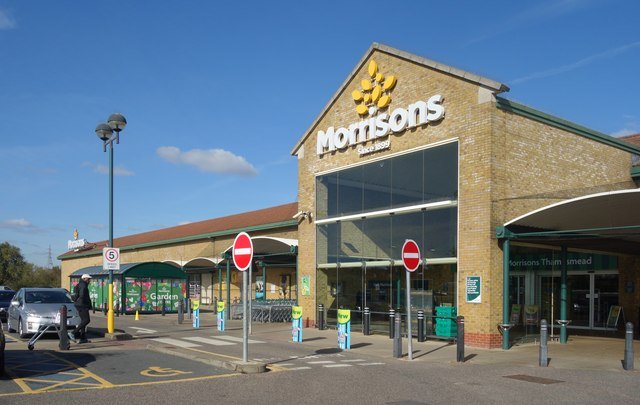
Morrisons Cuts Almost 5,000 Jobs as Turnaround Efforts Continue
Morrisons cut almost 5,000 jobs during its latest financial year as the supermarket group continued efforts to reduce costs, improve operating performance and strengthen its financial position. The reductions form part of a broader turnaround programme under chief executive Rami Baitieh, who has focused on restoring competitiveness after several difficult years for the retailer.
Average monthly headcount fell from 101,144 to 96,232 in the year to October 2025. More than 4,200 of those reductions came from stores, while manufacturing and distribution operations also recorded lower employment. The scale of the change illustrates how closely workforce costs are being managed as Morrisons seeks to improve efficiency across a large national operation.
Much of the reduction was achieved through natural employee turnover rather than an additional store redundancy programme. Morrisons also reduced staffing through the closure of its newspaper home delivery service, changes to its retail people team and a downsizing of the Rathbones bakery operation. Together, these measures have contributed to a leaner cost base at a time when employment expenses across UK retail remain under pressure.
How Morrisons Lost Ground in the UK Grocery Market
The current Morrisons turnaround follows a prolonged period of competitive and financial pressure. The supermarket was historically established as the fourth-largest grocery retailer in Britain, supported by a substantial store network and a vertically integrated model that includes food manufacturing and processing operations.
Competition has intensified considerably over the past decade. Aldi and Lidl have expanded their UK market share, placing additional pressure on traditional supermarkets to compete on price while maintaining investment in stores, product ranges, digital services and supply chains. Morrisons subsequently slipped behind both discounters in the supermarket rankings.
Its financial position also changed following the £7bn takeover by private equity firm Clayton, Dubilier & Rice in 2021. The acquisition increased the amount of debt associated with the business, making cash generation and balance sheet management more important considerations within the turnaround strategy. Management therefore has to address operating performance and financial leverage at the same time.
Sales Growth Provides Early Evidence of Operational Progress
Recent trading provides some evidence that Morrisons is improving its underlying performance. Revenue increased 2.8% to £15.7bn during the year, while like-for-like sales grew in every quarter. Consistent comparable sales growth is particularly important for a retailer attempting to regain customers and rebuild its position in a highly competitive grocery market.
Underlying EBITDA remained at £835m despite higher employment costs and disruption caused by the cyber attack that affected product availability ahead of Christmas 2024. Maintaining earnings while absorbing these pressures suggests that operational improvements and cost controls are providing some support to profitability.
Baitieh’s strategy has concentrated on core supermarket disciplines including product availability, pricing, operational simplicity and customer competitiveness. These areas can have a direct effect on sales density, customer retention and margins. The challenge is to sustain improvements while continuing to fund the investment required to compete with Tesco, Sainsbury’s, Aldi, Lidl and other major grocery operators.
Morrisons’ Debt Burden Remains Central to the Turnaround
The balance sheet remains a significant constraint on Morrisons’ recovery. Reported net debt increased from £7.07bn to £7.52bn during the year. Morrisons calculates net debt at £3.2bn when lease liabilities and preference shares are excluded, highlighting the importance of understanding the different measures used to assess leverage within a large retail group.
The company also recorded a £629m pre-tax loss before exceptional items. For management, these figures increase the importance of cash generation and disciplined capital allocation. Improvements in sales need to translate into stronger operating cash flow if Morrisons is to invest in its customer proposition while progressively improving its financial position.
Cost reduction therefore has a wider role within the Morrisons turnaround strategy. Lower operating expenses can create additional capacity for price investment, store improvements, technology and debt servicing. Workforce reductions can contribute to those savings, although management also needs to maintain appropriate staffing levels across stores, logistics and manufacturing to protect availability and customer service.
What the Morrisons Turnaround Means for Business Leaders
Morrisons illustrates a common challenge in corporate turnaround management: operational recovery and financial restructuring often need to progress together. Growing like-for-like sales can improve the economics of the store estate, while productivity measures can increase margins and cash generation. A highly leveraged balance sheet makes the pace and consistency of those improvements particularly important.
The next stage will depend on whether Morrisons can convert stronger trading into sustained improvements in profitability and cash flow. Its competitive position requires continued investment, particularly as established supermarkets and discount operators compete aggressively on price, loyalty programmes, convenience and product quality. Cost savings have greater strategic value when they provide resources for these areas.
For turnaround leaders, the Morrisons case highlights the relationship between restructuring and long-term competitiveness. Headcount reductions, operational simplification and tighter spending can improve the economics of a business relatively quickly. Sustainable recovery depends on how effectively that financial capacity is reinvested into the operations, customer proposition and balance sheet that will determine performance over the longer term.