Why Lloyds Is Bringing Halifax Under a Single Consumer Banking Brand
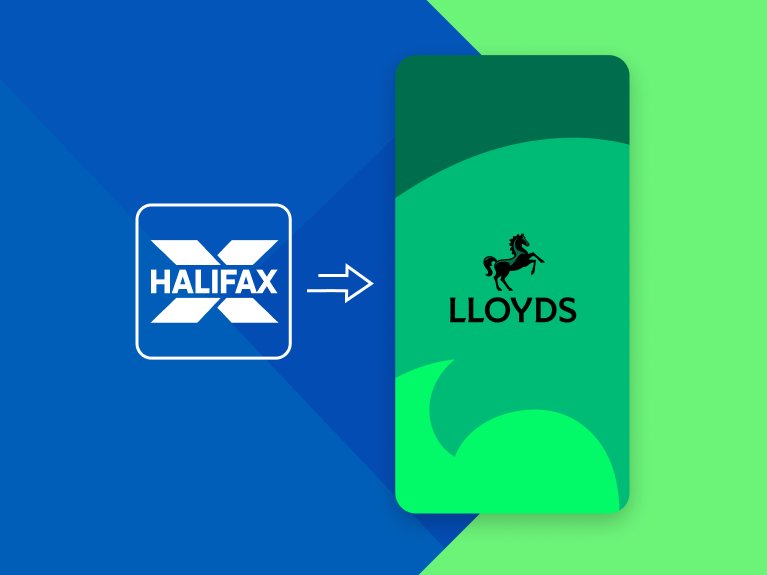
After 173 years, the Halifax name is set to disappear from British banking. Lloyds Banking Group plans to move Halifax customers onto the Lloyds brand, bringing two of the UK’s best-known retail banking names together under a single consumer proposition. Bank of Scotland will continue as the group’s principal brand in Scotland.
Halifax has operated within Lloyds Banking Group since 2009, following the acquisition of HBOS during the financial crisis. For much of the period since, Lloyds and Halifax have remained separate customer-facing brands despite sharing an increasing amount of infrastructure behind the scenes. That distinction has gradually become less important as the group has integrated branches, digital services and customer accounts.
The final consolidation reflects a straightforward strategic calculation. Maintaining two large consumer banking brands requires investment in two sets of customer journeys, marketing propositions and digital experiences. Lloyds believes a single brand will allow more of that investment to be concentrated around one proposition, while reducing complexity across the organisation.
Digital Banking Is Changing the Economics of Financial Services Brands
The practical integration of Lloyds and Halifax has been under way for some time. Customers can use branches across the group, accounts can increasingly be managed together digitally, and many Halifax customers have already migrated to the Lloyds app. The remaining separation between the brands has therefore become increasingly concentrated in their names and customer propositions.
This matters because the economics of retail banking have changed considerably. Mobile apps and online servicing now account for a large proportion of everyday customer interactions. Investment has consequently shifted towards technology platforms, data, cybersecurity, automation and artificial intelligence. Running parallel experiences can increase development costs and make it harder to introduce new services consistently across a large customer base.
Consolidation gives Lloyds greater scope to direct technology spending towards a common platform. New features can be developed once and distributed across a larger customer base, while servicing processes can be standardised. The potential gains come through lower duplication, greater operational efficiency and a simpler technology estate.
How “Simplify to Outperform” Fits Lloyds Banking Group’s Strategy
The Halifax decision also sits within Lloyds Banking Group’s wider “Simplify to Outperform” strategy. The group is targeting around £2bn in gross cost savings while continuing to invest in technology, digital servicing and AI. Brand consolidation provides another route through which organisational simplification can support those objectives.
A larger Lloyds customer base could also strengthen the economics of the group’s broader product strategy. Lloyds has been developing propositions including Club Lloyds, Premier and Rewards, designed to encourage customers to hold a wider range of products and build deeper relationships with the bank. Bringing Halifax customers into the same ecosystem expands the audience for those services.
Scale becomes particularly useful when technology investment carries significant upfront costs. A new digital capability, AI system or customer service platform can produce better returns when deployed across a larger number of customers. For a banking group already operating at substantial scale, reducing internal fragmentation can therefore improve the economics of future investment.
Why Large Companies Are Simplifying Their Brand Portfolios
The decision also reflects a wider change in corporate strategy. Large companies spent decades expanding through acquisitions, new product lines and brand extensions. Many subsequently found themselves managing extensive portfolios of brands, technology systems, processes and customer propositions.
The current emphasis across many established businesses is increasingly focused on simplification. Management teams are examining where separate brands genuinely serve different customers and where they mainly create additional cost and complexity. Shared technology platforms, centralised operations and more focused investment can improve productivity while making organisations easier to manage.
Digitalisation strengthens that argument. When much of the customer relationship takes place through an app, the value of maintaining multiple overlapping brands can change. Businesses can concentrate marketing expenditure, product development and technology investment around fewer propositions, while using common data and infrastructure across a larger customer base. Portfolio simplification can therefore become both a cost programme and a way of allocating capital more efficiently.
The Strategic Value Lloyds Is Giving Up With Halifax
There is still a meaningful cost attached to retiring Halifax. Brand recognition accumulated over 173 years represents a significant intangible asset. Halifax has its own history, customer associations and position within the UK mortgage and savings market. Once the name has disappeared from branches, accounts and advertising, recreating that equity would require substantial investment.
That makes the decision a useful example of the trade-offs involved in corporate simplification. Lloyds must balance the value of Halifax as a standalone consumer brand against the operational and commercial benefits available from concentrating resources behind Lloyds. Customer migration, retention and the ability to transfer existing brand loyalty will be important measures of how successfully that balance has been managed.
The broader lesson extends beyond banking. As technology spending rises and companies scrutinise productivity more closely, organisational complexity carries a more visible financial cost. Lloyds is choosing greater concentration of capital, technology and customer relationships, even where that means retiring a long-established name. The disappearance of Halifax therefore provides a clear illustration of how consolidation and simplification are influencing corporate strategy in the UK.