Harvey Nichols Enters a New Chapter as Ownership Changes Come Into Focus
Harvey Nichols is searching for a new owner at a time when the business requires both fresh capital and a clear strategic direction. Potential acquirers are understood to be considering an investment of between £50 million and £60 million alongside any purchase, reflecting the scale of change needed to reposition one of Britain’s best-known luxury department store brands.
The financial backdrop explains why new investment has become a priority. In its latest reported financial year, revenue declined by 5% to £204.8 million, while pre-tax losses increased to £34 million. Those figures continue a pattern of weakening performance that has developed over several years, despite the company retaining strong brand recognition and a prominent position within the UK luxury retail market.
The situation reflects structural changes affecting luxury retail rather than a temporary downturn. Consumers increasingly research and purchase products online, luxury brands have expanded their own direct-to-consumer channels, and department stores are expected to offer experiences that encourage customers to spend time as well as money. Businesses that have invested consistently in digital capability, customer experience and premium retail environments have adapted more successfully to these changes.
Investment Strategy Focuses on Growth Rather Than Restructuring
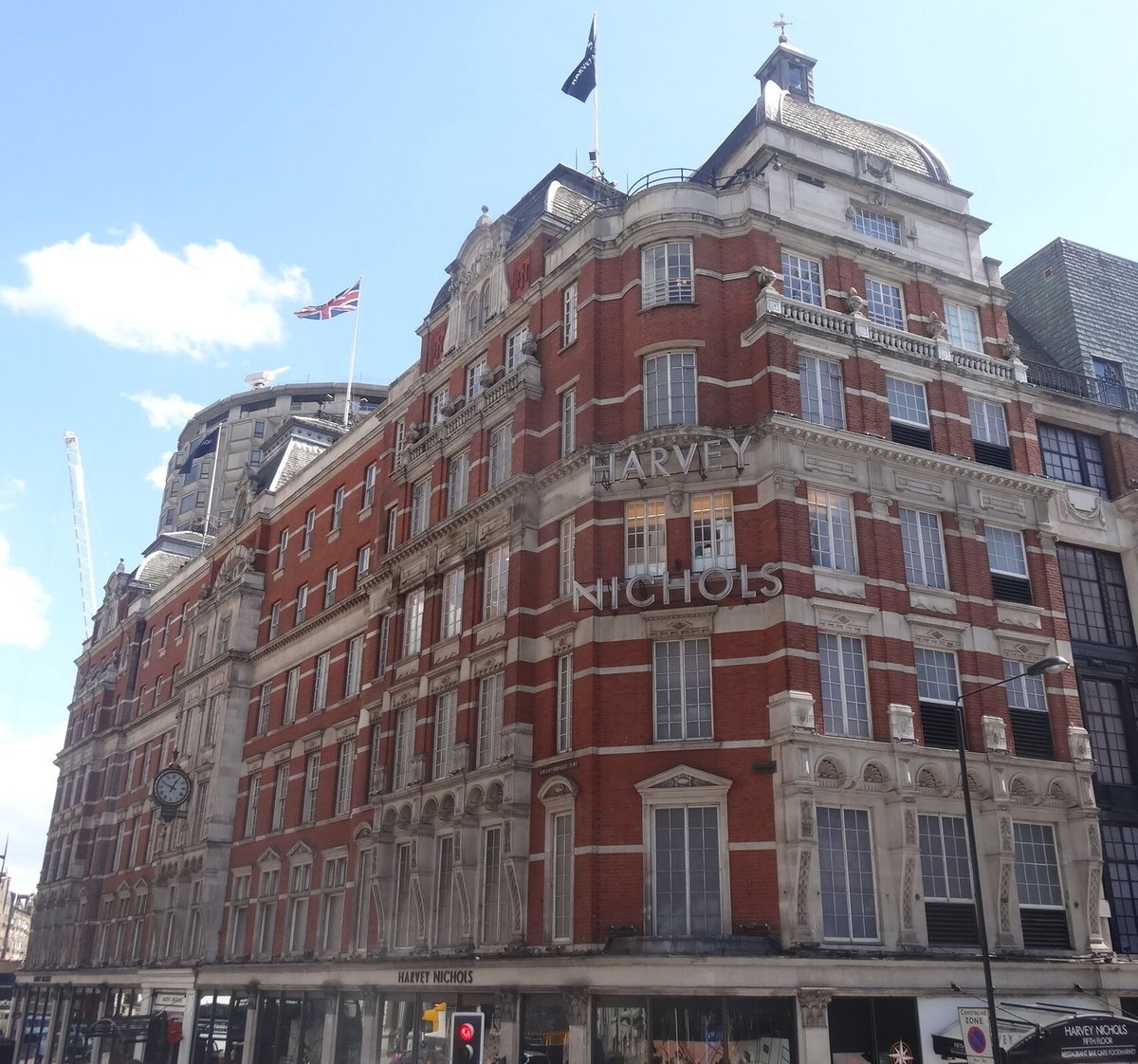
Management has already begun implementing a long-term repositioning strategy designed to strengthen the brand. The Knightsbridge flagship store has undergone a significant refurbishment, more than 75 new brands have been introduced, and greater emphasis has been placed on beauty, wellness and hospitality. The wider strategy seeks to reinforce Harvey Nichols’ position across fashion, beauty and experiential retail while modernising the customer proposition.
The proposed investment would allow these initiatives to move forward more quickly. Funding is expected to support additional store refurbishment, improvements to digital infrastructure and selective international expansion. These priorities indicate that management believes the opportunity lies in improving the customer proposition rather than reducing the scale of the business.
That distinction is important from a turnaround perspective. Many retail recoveries begin with restructuring programmes aimed at reducing costs, closing stores or simplifying operations. Harvey Nichols appears to be following a different route by investing in customer experience, brand positioning and digital capability. The underlying assumption is that stronger execution and renewed relevance can restore growth over time.
The New Owner Will Shape the Success of the Turnaround
The identity of the eventual buyer may prove more important than the amount of capital invested. Retail turnarounds depend on execution across buying, merchandising, supply chain management, technology and customer experience. Financial resources create the opportunity to improve performance, while operational capability determines whether those improvements are successfully delivered.
A retailer with established expertise in digital commerce, logistics and operational discipline could accelerate Harvey Nichols’ recovery by introducing proven systems and stronger retail execution. Better inventory management, improved online fulfilment, more effective customer data and disciplined commercial decision making could strengthen profitability while supporting investment in the premium customer experience that luxury retail demands.
An investor whose primary contribution is capital faces a more demanding task. Funding enables investment in stores, technology and marketing, although sustainable improvement still depends on the ability to execute a coherent retail strategy over several years. Luxury consumers have high expectations regarding service, product selection and brand presentation, making operational consistency particularly important.
Defining Harvey Nichols’ Position in Modern Luxury Retail
The competitive environment has become increasingly specialised. At the highest end of the market, destination department stores continue to attract affluent international customers through exceptional service, exclusive products and distinctive shopping environments. At the same time, many luxury fashion houses now sell directly through their own stores and digital platforms, reducing reliance on multi-brand retailers.
Harvey Nichols occupies a position between these two models. Its future depends on offering customers a carefully curated selection of premium brands alongside an experience that provides reasons to visit both physical stores and digital channels. Fashion, beauty, hospitality and wellness can each contribute to that proposition when combined within a coherent retail strategy.
The forthcoming ownership change therefore represents more than a financial transaction. It offers an opportunity to redefine Harvey Nichols’ competitive position for the next decade. Success will depend on combining investment with disciplined execution, modern digital capability and a clear understanding of how luxury consumers choose where and how they shop. If those elements come together, the business has the foundations to strengthen its position within an increasingly competitive luxury retail market.