Harrods Swings from a £34m Loss to an £84.9m Profit
Harrods has returned to profit after reporting a pre-tax profit of £84.9 million for the year to January 2026. The result compares with a £34.3 million loss in the previous financial year and represents a year-on-year improvement of almost £120 million.
The scale of that swing requires some context. The previous year’s result included a £62.5 million provision for compensation and associated costs relating to survivors of historic sexual abuse by former owner Mohamed Al Fayed. With much of that financial impact already recognised in the prior period, its absence from the latest accounts contributed significantly to the improvement in reported profit.
The underlying figures therefore provide a more useful indication of Harrods’ current trading performance. Turnover increased by 1.2% to approximately £1.1 billion, while the retailer said it continued to outperform the wider luxury market. This suggests that Harrods has retained considerable spending power among its core customers despite a challenging period for the global luxury sector.
Luxury Retail Pressures Continue to Weigh on Costs
The wider luxury market has faced weaker demand in several important regions, making Harrods’ ability to maintain revenue growth particularly relevant. International visitors remain an important source of demand for the Knightsbridge store, alongside a regular customer base of high-net-worth shoppers.
Cost pressures are more visible further down the income statement. Operating profit declined from £177.7 million to £172.3 million, indicating that higher sales have yet to translate into stronger underlying profitability. Labour and distribution costs were among the factors weighing on margins during the year.
An average employee pay increase of 3.2% added approximately £8.5 million to costs, while increased employer National Insurance contributions added another £5.7 million. These pressures illustrate the challenge facing UK retailers that are trying to maintain service standards and invest in their customer proposition while managing a higher domestic cost base.
Harrods Continues Investing in Its Knightsbridge Flagship
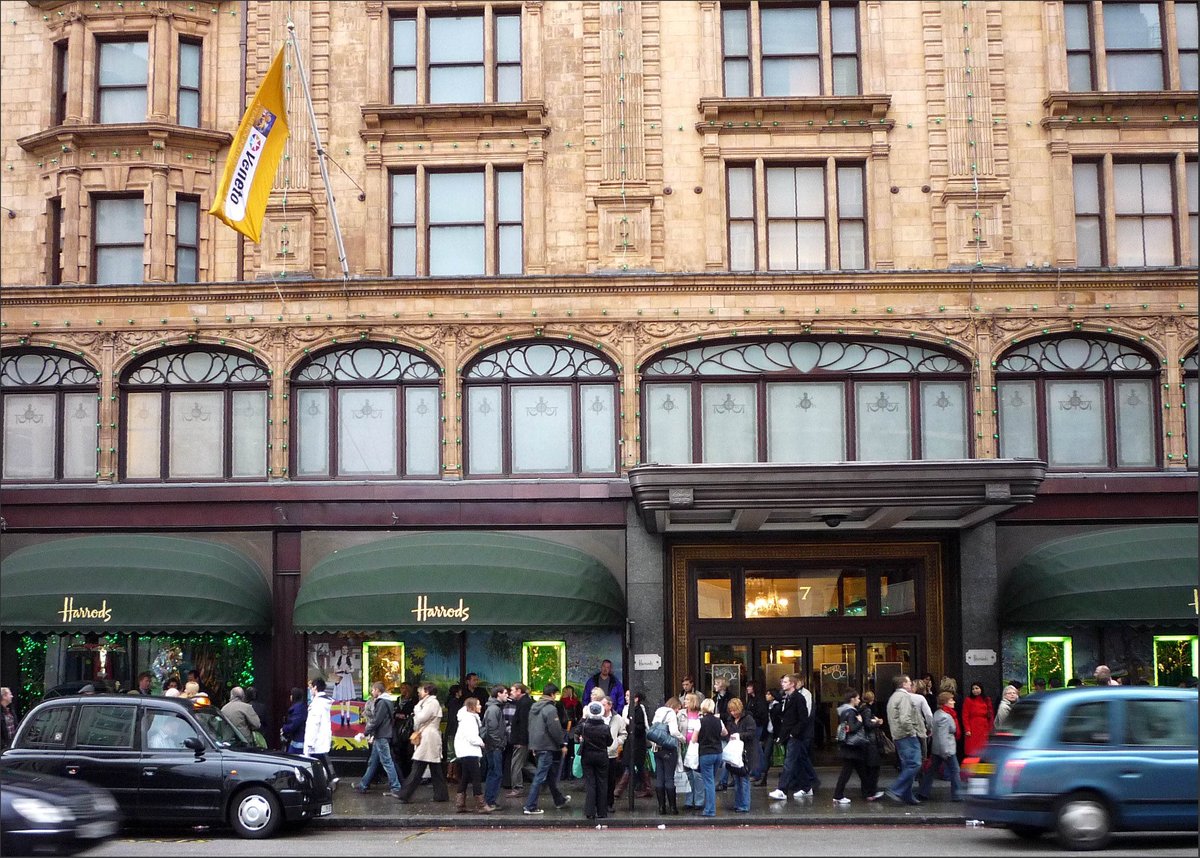
Harrods has continued to allocate capital to its physical retail proposition rather than relying primarily on cost reductions. Its Knightsbridge flagship remains central to the company’s strategy, with the store positioned as a luxury destination combining fashion, hospitality, services and customer experience.
Investment has included the redevelopment of womenswear and the opening of a new International Designer Room. Harrods has also continued improving its restaurants, customer-facing spaces and wider physical estate. These projects form part of a longer-term effort to maintain the flagship’s relevance to both international visitors and domestic luxury consumers.
The approach reflects the particular economics of destination luxury retail. Customers visiting Harrods can purchase many of the same brands elsewhere, including directly from luxury houses themselves. The value of the department store therefore depends heavily on curation, service, exclusivity, hospitality and the experience associated with visiting the building.
Harrods’ Turnaround Highlights the Value of Competitive Differentiation
The latest Harrods results are best viewed as a combination of accounting normalisation, resilient trading and continued investment. The removal of the previous year’s exceptional provision explains a significant proportion of the improvement in pre-tax profit, while the slight decline in operating profit shows that underlying cost pressures remain.
Even so, maintaining annual turnover above £1 billion while continuing to invest is significant in the current luxury retail environment. Harrods appears to be prioritising the characteristics that support its competitive position, particularly its flagship store, customer experience and relationships with affluent domestic and international shoppers.
For business turnaround and restructuring leaders, the strategy carries a broader lesson. Cost control remains important during periods of weaker demand, but investment decisions also need to protect the sources of competitive advantage that support future revenue. Harrods’ next challenge will be converting modest sales growth and continued investment into stronger underlying profitability as conditions across the luxury market evolve.