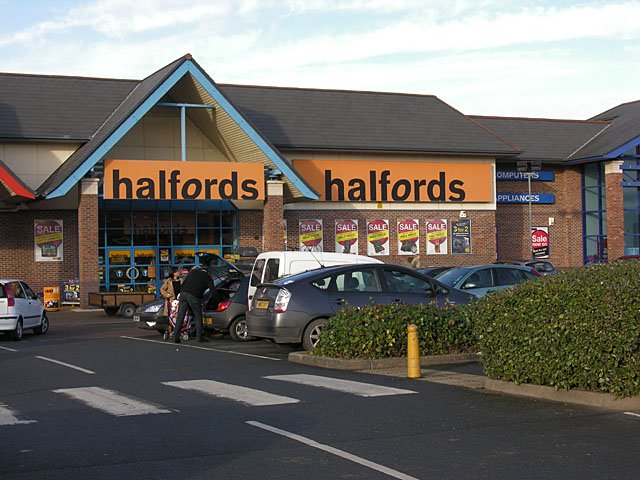
A Return to Profit After a Difficult Period
Halfords’ return to profit provides a useful example of how an established retailer can respond when the market that supported its previous growth begins to change. After reporting a pre-tax loss of around £30 million in the previous year, the group recorded a pre-tax profit of £43.6 million for the year ending April 2026.
The improvement follows several difficult years for the UK cycling and motoring retailer. Pandemic-era demand for bicycles gave the business a temporary boost, but the subsequent normalisation of consumer behaviour, combined with inflation and pressure on household spending, exposed some of the weaknesses associated with relying heavily on discretionary retail sales.
Under chief executive Henry Birch, Halfords has pursued a turnaround strategy centred on operational improvement and a gradual change in the composition of the business. Greater emphasis on vehicle servicing, tyres, MOTs, repairs and autocare is giving the company access to more recurring sources of revenue, while tighter cost and inventory management is helping rebuild margins.
Halfords’ £43.6m Profit Marks Progress in Its Turnaround Strategy
The scale of the year-on-year improvement is significant. Moving from a loss of roughly £30 million to a £43.6 million pre-tax profit represents a substantial change in financial performance within a relatively short period. It also suggests that measures introduced during the earlier stages of the Halfords turnaround are beginning to show through in the group’s results.
Henry Birch took over as chief executive in 2024, bringing experience from senior roles at Shop Direct and the Very Group. His challenge was to improve performance at a company operating across several markets facing different pressures. Cycling had weakened following its pandemic surge, consumers were watching discretionary spending more carefully and inflation had increased the cost of operating a large retail and service network.
Management has responded with a programme focused on execution across the existing business. Cost control, better inventory management, operational simplification and investment in digital capabilities have all contributed to the recovery. Individually, these are familiar components of retail restructuring. Their value comes from applying them consistently across the organisation and ensuring that improvements translate into stronger margins and cash generation.
Why Halfords Is Increasing Its Focus on Autocare and Servicing
One of the most important elements of Halfords’ business strategy has been the growing emphasis on motoring services. The group has steadily increased its exposure to areas including tyres, MOTs, vehicle servicing, maintenance and repairs, complementing its traditional retail operations.
The economics of these activities are attractive in a more cautious consumer environment. A customer may postpone buying a new bicycle or upgrading cycling accessories, but vehicle maintenance is often driven by practical necessity. Cars require servicing, tyres wear out and MOT tests operate according to a defined timetable. This creates a more predictable pattern of demand than many categories of discretionary retail spending.
Servicing can also support longer customer relationships. Traditional retail transactions may be occasional, while vehicle ownership creates repeated requirements over several years. A customer who uses Halfords for an MOT can subsequently return for tyres, repairs, servicing or replacement parts. Building more of the business around these recurring interactions can improve customer retention while giving Halfords opportunities to generate revenue across the lifetime of a vehicle.
How the Post-Pandemic Cycling Market Shaped the Halfords Recovery
The conditions behind Halfords’ recent difficulties help explain the direction of its turnaround. During the pandemic, cycling benefited from an unusual combination of restricted travel, increased interest in outdoor exercise and changes to commuting patterns. Bicycle sales rose sharply, creating a period of exceptional demand across the industry.
As normal economic activity resumed, cycling demand moved back towards more typical levels. Retailers then had to manage inventories and cost structures that had developed during a stronger market. Inflation added further pressure as household budgets tightened and consumers became more selective about larger discretionary purchases.
Halfords therefore faced a strategic question about where future earnings growth should come from. Its response has been to place more weight on markets where demand is supported by recurring maintenance requirements. Cycling remains an established part of the Halfords brand and product offering, but autocare gives the group another source of earnings with different demand characteristics. A broader balance between retail and services can make overall performance less dependent on the consumer purchasing cycle.
Operational Discipline Has Supported the Halfords Profit Recovery
The shift towards services works alongside a wider programme of operational improvements. Inventory management has particular importance in retail because excess stock absorbs working capital and can eventually require discounting. Matching stock levels more closely with demand can therefore improve both cash flow and margins.
Digital investment also plays a role in connecting the different parts of the Halfords business. Customers increasingly move between online research, product purchasing, service booking and physical locations. A stronger digital platform can make these interactions easier while allowing the company to build a more complete picture of customer behaviour across retail and autocare.
Cost control provides another part of the improvement programme. For a business operating stores, garages and mobile services, relatively small efficiencies can become meaningful when applied across the network. The combination of tighter costs, improved stock management, digital development and a more favourable revenue mix helps explain how the Halfords turnaround has progressed from restructuring activity towards improved profitability.
The Next Phase of the Halfords Turnaround Will Be About Sustainable Growth
The 2026 results represent an important stage in Halfords’ recovery, although the longer-term assessment will depend on whether the improvement can be sustained. Turnaround strategies often begin with actions that can produce relatively immediate benefits, including cost reductions, working capital improvements and operational simplification. Maintaining earnings growth over subsequent years requires continued progress in the underlying business.
Halfords’ increasing exposure to servicing and autocare gives it a potentially useful platform for that next phase. Recurring maintenance demand, established customer relationships and the ability to provide products and services through multiple channels could support a more stable earnings profile. Continued investment will be required to maintain service quality, improve productivity and encourage customers to use a wider range of Halfords services.
For other companies facing changing markets, the Halfords turnaround offers a practical lesson in business restructuring. Management identified areas of the portfolio with stronger demand characteristics, directed more attention towards them and combined that repositioning with improvements in costs, stock management and digital operations. The move from a £30 million loss to a £43.6 million pre-tax profit indicates substantial progress. The next test will be whether Halfords can convert that recovery into consistent profitable growth.