Financial pressure does not always mean a business has reached the end of the road. Many companies continue to serve loyal customers, employ skilled teams and generate healthy gross margins, yet still find themselves struggling because historic debts, rising costs or an unsustainable property portfolio have overtaken the underlying strength of the business.
That is why Company Voluntary Arrangements (CVAs) are attracting renewed attention. Across the UK, more directors are exploring whether this long established restructuring tool can provide the financial flexibility needed to complete a wider turnaround programme while continuing to trade.
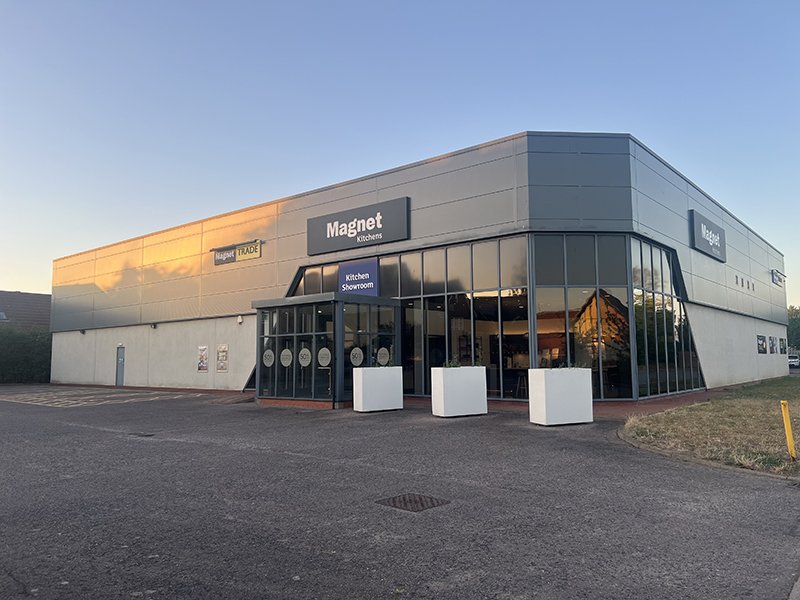
The recent approval of a CVA for kitchen retailer Magnet Group is another reminder that creditors will often support a well prepared restructuring proposal when it offers a stronger long term outcome than administration or liquidation. For businesses with a viable future, a CVA remains one of the most practical options available.
Why Company Voluntary Arrangements Are Returning to the Turnaround Conversation
A Company Voluntary Arrangement is a formal insolvency procedure that allows an insolvent but viable company to reach a legally binding agreement with its unsecured creditors. Instead of bringing trading to an immediate end, the business continues operating while repaying an agreed proportion of its debts over a defined period, which is typically between three and five years.
The objective is to give a fundamentally sound business time to recover. Historic liabilities can be restructured into affordable repayments that reflect future cash flow rather than past obligations. Depending on the circumstances, this may involve reducing unsecured debts, settling arrears over time, renegotiating lease liabilities, closing loss making sites or restructuring other financial commitments that have become difficult to support.
The growing interest in CVAs reflects the challenges many businesses currently face. Inflation has increased operating costs, borrowing remains more expensive than it was a few years ago and many sectors continue to experience changing customer demand. These pressures have left otherwise healthy businesses carrying financial commitments that no longer match their current trading environment.
A Successful CVA Depends on a Viable Business and a Credible Turnaround Plan
One of the most common misconceptions is that a CVA can rescue any struggling business. In reality, it is designed for companies that remain commercially viable but require financial restructuring to unlock their potential.
Creditors are effectively being asked to support the company’s recovery. They will therefore expect evidence that the underlying business can generate sustainable profits once historic financial pressures have been addressed. A detailed business review, realistic financial forecasts and a clear operational strategy are all essential components of a successful proposal.
This is why the financial restructuring and the operational turnaround must work together. Reducing debt alone rarely creates a lasting recovery. Management also needs to improve profitability through measures such as cost reduction, pricing improvements, stronger cash flow management, operational efficiency, better procurement, portfolio optimisation or renewed commercial focus. The companies that complete successful CVAs are usually those that treat the arrangement as one part of a wider transformation programme rather than a standalone solution.
Why Creditors Often Support a Well Structured CVA
Although creditors may agree to receive less than the full amount they are owed, a properly constructed CVA frequently provides a better commercial outcome than formal insolvency proceedings.
If a viable business continues trading, creditors retain an ongoing customer, preserve commercial relationships and often recover significantly more than they would through liquidation. Employees remain in work, customers experience minimal disruption and directors continue managing the business throughout the process under the supervision of a licensed insolvency practitioner.
Approval requires support from creditors representing at least 75 percent of the value of those voting on the proposal. That threshold reflects the importance of preparing a realistic plan supported by credible financial information. Over optimistic forecasts are one of the principal reasons CVAs fail, making thorough preparation and independent advice particularly valuable.
For retailers and multi site businesses, property costs frequently become a central feature of the restructuring. Lease obligations agreed many years earlier may no longer reflect current trading conditions, while some locations may have become consistently unprofitable. A CVA can provide a structured framework for addressing these legacy commitments while allowing stronger parts of the business to continue growing.
Is a Company Voluntary Arrangement the Right Choice for Your Business?
Every distressed business requires an individual assessment. A CVA is one option within a broader restructuring toolkit and should always be evaluated alongside alternatives such as informal creditor negotiations, refinancing, administration or liquidation.
Several factors influence whether a CVA is appropriate. The business should have a viable core operation, management must be committed to delivering operational improvements and creditors need to see a realistic prospect of receiving a better return than they would under alternative insolvency procedures. Where these conditions are present, a CVA can create valuable time to complete a wider turnaround while preserving jobs, protecting customer relationships and maintaining business continuity.
Professional advice is particularly important because timing often determines the available options. Directors who seek restructuring advice while there is still sufficient working capital and operational flexibility generally have a much wider range of solutions available than those who wait until creditor pressure has intensified.
At K2 Partners, we have advised businesses across a broad range of sectors on Company Voluntary Arrangements, combining formal restructuring expertise with practical turnaround support. Every situation is different, but where the commercial foundations remain sound, a carefully planned CVA can provide the platform for long term recovery.
Further Reading
If you would like to learn more about Company Voluntary Arrangements and the alternatives available to financially distressed businesses, explore our detailed guides:
- Company Voluntary Arrangement (CVA): https://www.k2-partners.com/advice-hub/company-voluntary-arrangement-cva
- CVA vs Administration: https://www.k2-partners.com/advice-hub/cva-vs-administration
- How Much Does a CVA Cost?: https://www.k2-partners.com/advice-hub/cva-cost
- Turnaround vs Alternatives: https://www.k2-partners.com/advice-hub/turnaround-vs-alternatives