How CVAs Can Help Businesses Restructure and Continue Trading
Company Voluntary Arrangements are attracting renewed attention as UK businesses look for ways to restructure liabilities while continuing to trade. After several years in which CVAs became closely associated with struggling retailers and contentious landlord negotiations, recent cases have demonstrated how the mechanism can support a broader business turnaround.
The principle behind a Company Voluntary Arrangement is relatively straightforward. A company experiencing financial difficulty reaches a binding agreement with its unsecured creditors to repay all or part of what it owes over an agreed period. Subject to the required creditor approval, the arrangement can give the company greater control over its liabilities and cash flow while management addresses the underlying commercial problems.
Recent restructuring activity provides useful evidence of how CVAs can work in practice. Magnet Group secured creditor approval for a CVA as part of its restructuring plans, while Hobbycraft has completed its own arrangement ahead of schedule following a 13-month turnaround programme. Together, the cases highlight both the continuing relevance of CVAs and the importance of the operational strategy that accompanies them.
Why Company Voluntary Arrangements Are Returning to the Restructuring Agenda
The economic environment facing UK businesses has made balance-sheet restructuring increasingly relevant. Higher borrowing costs, wage increases, energy expenses and weaker consumer demand have placed pressure on companies that entered the period with significant debt or large fixed-cost bases. Retailers have faced the additional challenge of managing extensive store portfolios as customer spending continues to shift between physical and digital channels.
A CVA can help address some of these pressures by creating an agreed framework for dealing with unsecured liabilities. Depending on the terms of the proposal, this may involve revised repayment schedules, compromises with creditors or changes to lease obligations. The company continues trading while the arrangement is implemented, allowing management to retain the operating platform needed to pursue a recovery.
This makes CVAs particularly relevant where financial liabilities have become misaligned with the underlying economics of the business. A company may have a viable customer proposition and potentially profitable operations while carrying debt, leases or other historic commitments that its current cash flow can no longer comfortably support. Restructuring those commitments can create additional time and liquidity for management to implement operational changes.
Hobbycraft Shows How a CVA Can Support a Business Turnaround
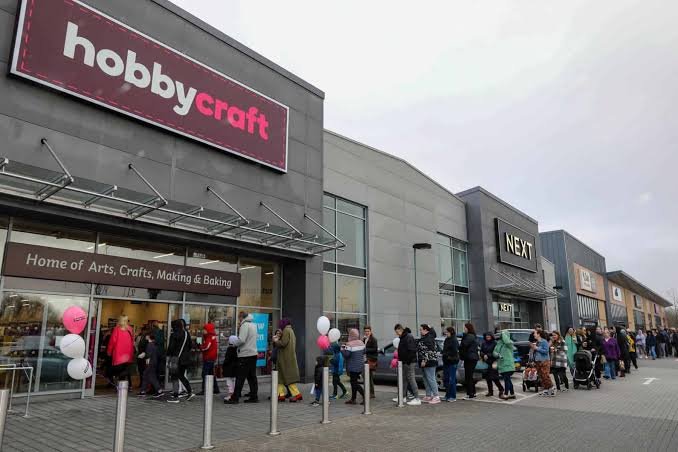
Hobbycraft provides a recent example of a retailer using a CVA alongside a wider restructuring programme. The UK arts and crafts chain completed its arrangement ahead of schedule after approximately 13 months, during which management made changes across its store estate, digital operations and product offering.
The retailer refreshed its 105 stores while reshaping its physical footprint. Nine underperforming stores were closed and three new locations were opened. Its digital customer base also expanded, with online active users increasing by 13% and new users growing by 10%. These changes indicate a restructuring programme focused on the future shape of the business as well as its immediate financial position.
Hobbycraft also developed its product mix around changing consumer interests. Characters and Figures sales increased by 343%, while Crochet Kits grew by 141%. The retailer expanded ranges connected with creativity, wellbeing and screen-free hobbies, supported by partnerships and community initiatives. This combination of portfolio management, customer acquisition and product development helped strengthen the commercial foundations of the business during the CVA period.
How a CVA Creates Breathing Space for Operational Restructuring
The value of a Company Voluntary Arrangement depends heavily on what management does with the financial flexibility it creates. Restructuring liabilities can improve short-term cash flow and reduce pressure from creditors, giving directors more capacity to address operational weaknesses and make decisions that may previously have been constrained by limited liquidity.
For retailers, that work can include reviewing store profitability, renegotiating property commitments, improving inventory management, developing ecommerce capabilities and closing locations that consistently destroy value. Businesses in other sectors may need to examine staffing structures, supplier arrangements, pricing, production costs or working capital. The appropriate measures depend on the causes of financial distress and the economics of the underlying operation.
A credible CVA proposal therefore needs to sit within a broader turnaround strategy. Creditors considering the arrangement will want to understand how the company expects to generate sufficient cash to meet its revised obligations. Forecasts, operational improvements and management assumptions need to support a coherent recovery plan. The stronger the commercial case, the greater the prospect of establishing confidence among creditors and other stakeholders.
When Could a Company Voluntary Arrangement Be Appropriate?
A CVA may be suitable for a company that has a viable core business but is struggling with liabilities accumulated under different economic or trading conditions. This can include businesses facing substantial historic debt, unsustainable property commitments, creditor arrears or persistent cash flow pressure.
Timing is an important consideration. Directors who identify financial problems early generally have a wider range of restructuring options available to them. Waiting until liquidity has deteriorated significantly can make a turnaround more difficult because management has less cash and less time in which to negotiate with creditors and implement operational changes.
Directors also need to consider whether the underlying business can realistically support the proposed arrangement. Cash flow forecasts, future profitability, creditor claims, lease commitments and restructuring costs all influence whether a CVA is workable. Professional restructuring advice can help management assess these factors and compare a CVA with alternative insolvency and restructuring procedures.
Building a Sustainable Business After a CVA
Completing a CVA represents an important stage in a turnaround because the business has fulfilled the obligations established through the arrangement. Management can then operate with a restructured liability position and focus resources more directly on sustainable trading and future investment.
The operational improvements made during the restructuring period remain central to the company’s prospects. Stronger margins, disciplined costs, appropriate capacity and a relevant customer proposition determine whether financial recovery translates into lasting commercial performance. Hobbycraft’s investment in stores, digital customers and growing product categories illustrates how restructuring time can be used to reposition a business alongside repairing its finances.
For directors considering a Company Voluntary Arrangement, the central question is whether restructuring existing liabilities can create a viable route back to sustainable trading. Where the core business has credible prospects and management has a practical turnaround plan, a CVA can provide a structured mechanism for reaching an agreement with creditors while preserving the company’s ability to trade. Specialist restructuring advice can help directors establish whether that route is appropriate and develop a proposal capable of securing creditor support.