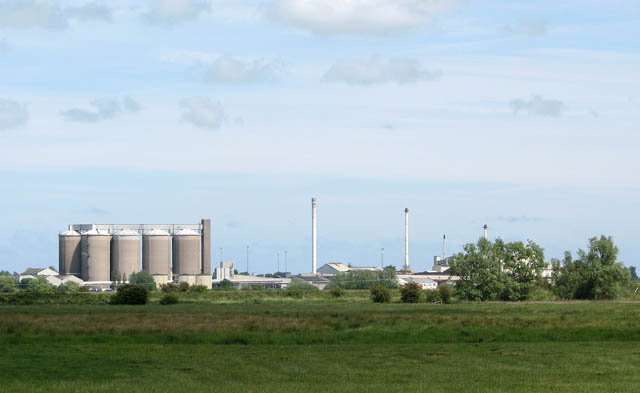
Cantley’s Sugar Silos and a Century of Industry at Risk
The proposed closure of British Sugar’s Cantley factory would bring an abrupt halt to more than a century of sugar beet processing on the Norfolk Broads. Opened in 1912 on the banks of the River Yare, the site was the first of its kind in Britain and quickly became a landmark of industrial agriculture. Generations of families have worked under its imposing silos, turning local sugar beet into a staple product found in kitchens across the country. Today, the plant produces around 130,000 tonnes of sugar a year, a substantial contribution to the nation’s supply. The plan to shut it by the end of February 2027 marks a pivotal moment for both the local community and the UK sugar industry.
Cantley’s deep roots in the Broads landscape add an emotional weight to the announcement. Before lorries dominated transport, wherries carried beet and finished sugar along the waterways, knitting the factory into Norfolk’s trading and cultural history. Over time, the plant adapted to modern logistics and technology, including an £11m upgrade last year to improve energy efficiency. Despite those investments, Cantley now faces the prospect of stopping production within just a few campaigns. For many in the village, losing the factory means losing the defining feature of their skyline and a key part of their identity.
Economic Pressures Driving British Sugar’s Cantley Closure Plan
British Sugar’s proposal to close Cantley is rooted in a combination of global market shifts and domestic cost pressures. European sugar prices have fallen sharply in recent years, roughly halving from about £680 per tonne to around £400. This drop has been fuelled by increased imports of cheaper sugar from abroad and changing consumer habits, including rising demand for lower-sugar products. Policy changes, such as the soft drinks sugar levy, have further nudged manufacturers towards reformulation and alternative sweeteners. For a high-volume, low-margin business, that cocktail of pressures can quickly erode profitability.
At the same time, energy costs have become a critical vulnerability for energy-intensive industries such as sugar refining. Corporate electricity prices in Britain are estimated to be about 45% higher than the G7 average and up to four times those paid by some US competitors. For a factory reliant on large-scale processing, those costs feed directly into every tonne of sugar produced. British Sugar has said Cantley has been loss-making for three years, despite efforts to drive efficiency. Faced with lower prices, shrinking demand and high overheads, the company argues that consolidating production into three larger sites is the only way to safeguard the long-term future of its UK operations.
Jobs, Families and Rural Communities in the Firing Line
More than 100 jobs at Cantley are now at risk, and the impact stretches far beyond a single payroll. In a rural area where employment options are already limited, the factory offers well-paid, skilled roles that are difficult to replace locally. Many staff are second- or third-generation employees, with family histories closely entwined with the site’s fortunes. For them, the proposed closure is not just a career shock but the potential loss of a shared community anchor. Local leaders have acknowledged how emotionally and financially challenging this period of uncertainty will be.
The ripple effects could also hit the wider rural economy that supports and depends on the factory. Contractors, hauliers, maintenance firms and local service businesses all derive custom from Cantley’s operations and its workforce. Losing that hub reduces footfall in village shops and pubs, and weakens the case for future investment in surrounding areas. Councillors have pledged to mobilise redundancy support services and partner organisations to help affected workers navigate retraining or redeployment. However, replacing a century-old industrial employer with equivalent opportunities will be a formidable challenge for any regional strategy.
Norfolk Farmers, Haulage Costs and the Future of Sugar Beet
For Norfolk’s farmers, the proposed shutdown raises pressing questions about the economics of growing sugar beet. Cantley has functioned as a local buyer, offering growers a relatively short journey from field to factory. If production is shifted entirely to Wissington, Bury St Edmunds and Newark, many will face longer haulage routes and higher transport costs. Those extra miles eat into already slim margins and could prompt some farmers to reconsider how much beet they plant, or whether they continue with the crop at all. Over time, that shift could alter the pattern of land use and cropping across East Anglia.
The potential loss of Cantley also undermines a sense of security around market access for the region’s beet growers. British Sugar is currently the sole processor of the UK’s entire sugar beet crop, so any reduction in local capacity leaves fewer alternatives if something goes wrong at the remaining factories. Politicians such as Jerome Mayhew have voiced concerns about the knock-on effects on farm incomes and the wider rural supply chain. They argue that haulage costs, environmental considerations and long-term food security must all be weighed carefully during the consultation. For many farmers, the fear is not only about this year’s contract but the viability of sugar beet as a cornerstone of their future business plans.
UK Sugar Supply, Imports and Strategic Food Security
Beyond Norfolk, Cantley’s fate ties into a bigger national debate: how much sugar Britain should produce at home versus import from abroad. British Sugar supplies more than half of all sugar consumed in the UK, and closing Cantley would cut domestic output by about 130,000 tonnes a year. The shortfall is likely to be filled by greater imports from major producers such as Brazil, further binding the UK to global commodity markets. While cheaper imports can benefit consumers in the short term, they can also expose the country to more volatile prices and geopolitical risk. In an era of renewed focus on resilience and security, that trade-off is attracting fresh scrutiny.
Consolidating processing into three factories may help British Sugar remain competitive, but it also concentrates risk in fewer sites. Any disruption, from technical failures to extreme weather or policy changes, could have disproportionate effects on supply. Critics describe the closure as another step in a slow managed decline of domestic heavy industry, particularly those sectors squeezed by high energy costs. Supporters of the plan counter that without difficult rationalisation decisions today, the entire beet-processing network could be jeopardised tomorrow. As the consultation proceeds and campaigners push for alternatives, the outcome at Cantley will become a test case for how the UK balances local jobs, environmental concerns, industrial strategy and its long-term food security.