Brewers Fayre closes every UK restaurant after 45 years
Brewers Fayre has officially closed all 89 of its UK pub-restaurants, bringing the chain’s 45-year presence on the high street to an end. The final restaurants served customers on Monday 7 September 2026. Its disappearance marks one of the biggest recent changes to Britain’s casual dining landscape.
The chain was founded in 1981 and became closely associated with family meals, affordable pub food and gatherings for birthdays and celebrations. Many restaurants were positioned beside Premier Inn hotels, making them familiar stops for travellers as well as local customers. For some diners, a Brewers Fayre visit was part of a childhood routine that continued across generations.
The closures follow a major restructuring by Whitbread, the company behind Premier Inn. Whitbread has decided to withdraw from its separately branded restaurant operations and focus more heavily on its hotel business. The move affects not only Brewers Fayre, but also the company’s Beefeater estate.
Why Whitbread is closing Brewers Fayre and Beefeater
Whitbread announced the restaurant closures as part of a new five-year strategy intended to create around £250 million in savings and improve returns. The company cited rising costs, including business rates and national insurance, as part of the commercial pressure behind the decision. It also said the restructuring would allow it to concentrate on its higher-margin hotel operations.
A number of former restaurant sites are expected to be converted into additional Premier Inn bedrooms. Whitbread has indicated that the wider plan could create approximately 600 extra hotel rooms. Other properties are expected to be sold as going concerns, with the company also planning to sell a substantial portfolio of freehold assets to support future expansion.
Whitbread chief executive Dominic Paul said the business wanted to become a higher-margin, higher-returning hotel company. The integrated food and beverage offer planned for Premier Inn sites is intended to give hotel guests a more consistent service while using existing property more efficiently. In practical terms, the strategy means fewer restaurant brands and more emphasis on accommodation revenue.
Nearly 200 restaurant sites affected across the UK
Brewers Fayre is the first of Whitbread’s two major restaurant brands to disappear completely under the restructuring plan. All 106 Beefeater restaurants are scheduled to close on Thursday 10 September. Together, the two chains account for 195 locations and form part of a wider retreat from Whitbread’s branded restaurant model.
The closures also follow the winding down of other Whitbread restaurant brands, including Cookhouse Pub, Table Table and Bar Block. The company says the changes will help it streamline operations and make better use of its property estate. However, the scale of the closures has raised concerns about the future of hospitality employment in communities where these restaurants were major local employers.
Whitbread said around 3,800 roles could be lost from its UK and Ireland workforce of approximately 30,000 people. The company also said it recruits around 15,000 people each year and expects to redeploy a significant proportion of affected employees. It promised to support colleagues during the consultation and transition process, although not every role will continue.
Full list of Brewers Fayre restaurants that have closed
The 89 Brewers Fayre restaurants closing on 7 September were spread across England, Scotland, Wales and Northern Ireland. The locations included large regional sites, roadside restaurants and venues connected to Premier Inn hotels. The full list is as follows:
- Abergavenny, Afon Conwy, Aire & Calder, Bankhead Gate, Barrow-in-Furness, Barry Island, Bedford South, Bicester, Bideford, Bobbing Apple, Brampton Hut, Brookers Oast, Burton House, The Carousel, Castlewood, Central Park, Cepen Park, Chafford Hundred, Chequers Corner, Cheswold Lodge, The Clarence Pier, Cockermouth, Cottams Field, Craig House, Crossways, Dalesway, Derry City, The Drove, Duke of York and Exeter.
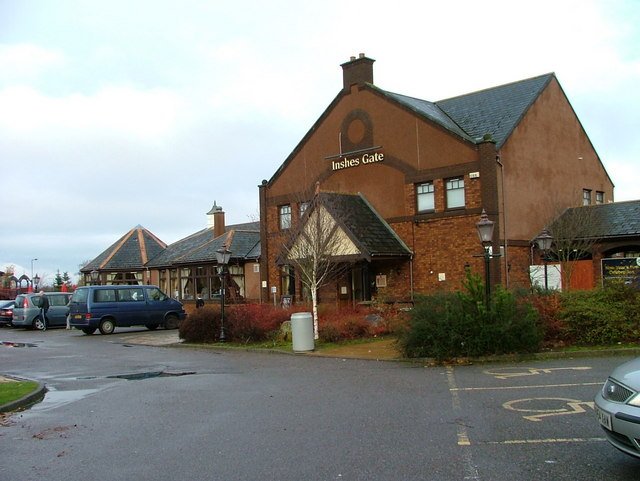
- The Farrier, Flagstaff Island, Freebridge Farm, Glastonbury, Gordano Gate, The Hampton, Hanley, The Harbour, The Howgate, Inn On The Quay, Inshes Gate, Kembrey Inn, Kincardine Way, King William IV, Lakeland Gate, Lewins Mead, Lock Keeper, Lodmoor, Loggans Moor, Mains of Balquharn, The Marina, The Mayflower, Minehead, Monkey Puzzle, Mulberry Tree, Newhaven Quay, Oakenhurst Farm, Oaks, Ocean Park and Ocean Plaza.
- Old Nelson, Old West Quay, Orbital, Papermill, Pirnhall Inn, Queens Crossing, The Redwood, Rhubarb Triangle, Rising Sun, Royal Quays, The Sandpiper, Stable Gate, The Swallow, Swansea Vale, Telford Lodge, Tindale Crossing, Tirfounder Fields, Turnpike, Victoria Park, Walsall, Water Mill, The Wessex Flyer, The Wessington, Wheatlea Park, Whittle Inn, Widnes, Willen Dragon, The Windmill and Winsor House.
Customers remember family meals, mixed grills and celebrations
The closure has prompted an outpouring of nostalgia from former customers, particularly people who remember visiting Brewers Fayre or Beefeater with their families. Diners have recalled birthday meals, holiday stops and dependable family gatherings that often revolved around familiar dishes. The restaurants became meeting places as much as places to eat.
Beefeater customers have shared similar memories of steaks, mixed grills and classic desserts such as Knickerbocker Glories. Some former regulars said they had not visited for decades, while still feeling disappointed that the brands were disappearing. That contrast captures the challenge facing traditional casual dining: strong memories do not always translate into regular visits.
The closures also underline how quickly the economics of large restaurant estates can change. A business may retain considerable public affection while struggling with labour costs, property expenses, changing dining habits and weak footfall. For Whitbread, the answer is to put hotel rooms at the centre of the business, leaving the familiar pub-restaurant brands behind.