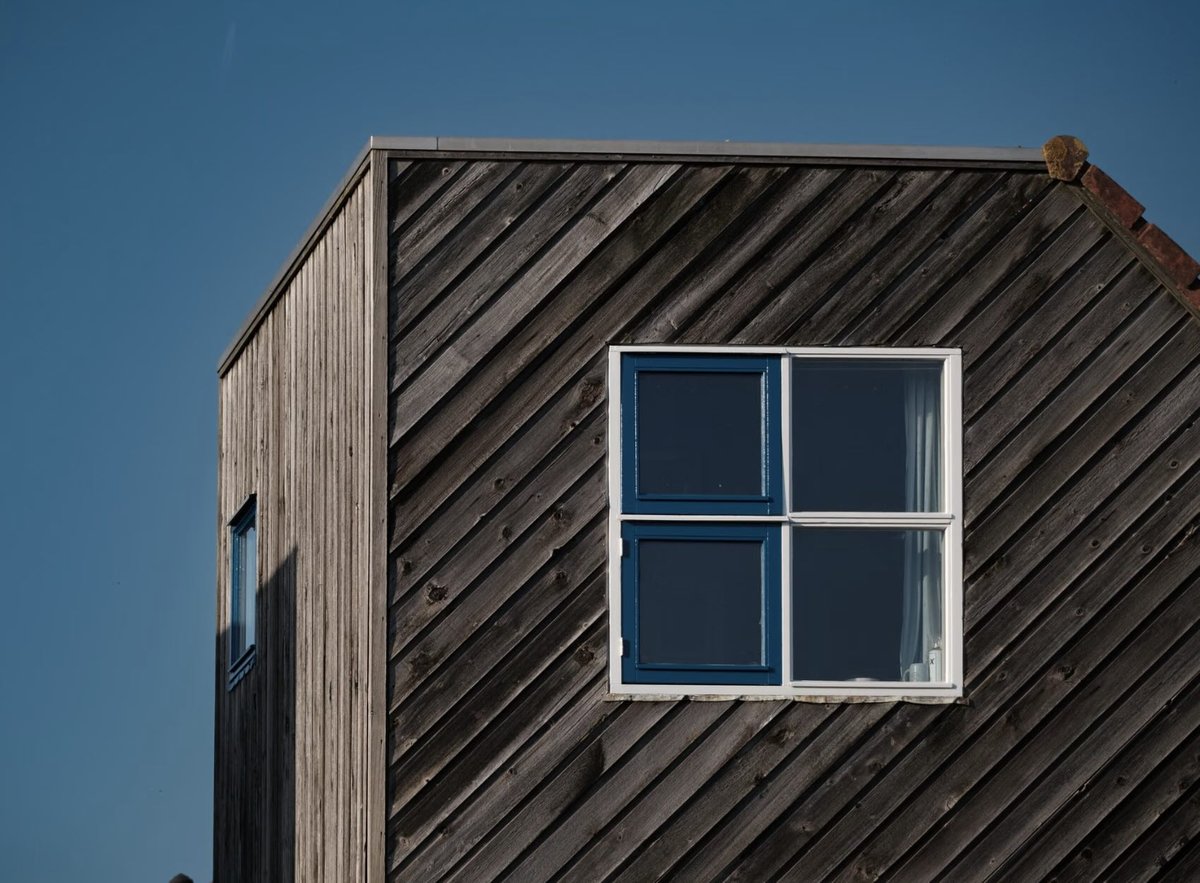
Agile Property and Homes Enters Administration With £1.86m Owed
Oxfordshire-based Agile Property and Homes has entered administration after struggling with rising construction costs and wider inflationary pressures. Moorfields Advisory was appointed to oversee the company’s affairs, with the formal appointment recorded on 6 July 2026 and published in the London Gazette on 14 July. The business operated from Culham and specialised in low-carbon, modular housing.
The company’s latest accounts, covering the year to 30 June 2025, showed creditors falling due within one year of £1,862,792. Debtors stood at £259,636, highlighting the pressure created when money owed to a construction business does not arrive quickly enough to fund its obligations. Agile also reported an average workforce of 13 employees, down from 22 the previous year.
The Low-Carbon Modular Housing Model Behind Agile
Agile positioned itself as an alternative to conventional housebuilding, designing homes from renewable materials including straw and timber. Its construction system used prefabricated panels manufactured in a controlled environment before being transported to a site for assembly. The company said its walls, floors and roof could be erected in as little as one day, with homes potentially ready for occupation within six weeks.
The approach was designed to reduce construction time, limit waste and improve energy performance through a “fabric first” philosophy. Agile said its homes used super-insulated straw and timber panels, with additional features such as heat pumps, solar panels and triple-glazed windows. It also claimed that a typical one-bedroom home could store the equivalent of 27 tonnes of atmospheric carbon dioxide in its materials.
That proposition addressed two urgent problems at once: the shortage of affordable housing and the need to reduce emissions from the built environment. Agile said it worked with organisations including local authorities, NHS trusts and charities to deliver homes for people in housing need. The company’s stated ambition was to create a housing model capable of serving households across different income levels.
Why Sustainable Construction Can Still Become Financially Fragile
The collapse illustrates a difficult reality for climate-focused construction businesses: environmental efficiency does not automatically produce financial resilience. Straw, timber and off-site manufacturing may offer long-term benefits, but a housebuilder must still absorb labour costs, transport expenses, factory overheads, insurance, compliance costs and financing charges. When those costs rise faster than contract prices, a technically innovative model can become commercially exposed.
Modular construction also requires significant coordination between design, manufacturing, logistics and on-site installation. A delay in planning approval, a change to a client’s specification or a disruption in the supply chain can affect the entire production sequence. The factory model may reduce waste and shorten build times, but it can also create fixed costs that are difficult to carry when the project pipeline slows.
Affordable housing projects can create an additional margin problem. Public-sector and charitable clients may be highly cost-conscious, while developers must meet demanding standards for energy performance, accessibility, safety and durability. If inflation pushes up the cost of delivery after a contract has been agreed, the builder may have limited ability to pass those increases on to the customer.
The challenge is particularly acute for smaller firms with limited working capital. A business employing 13 people may appear lean, but it can still require substantial cash to fund materials, subcontractors, factory operations and work in progress. A reduction in headcount from 22 to 13 suggests that Agile had already been attempting to reduce its cost base before the administration process began.
Agile’s Collapse Reflects Wider UK Construction Pressure
Agile’s administration comes amid a difficult period for UK construction and property businesses. The sector has faced higher material prices, labour shortages, elevated borrowing costs and uncertainty over the timing of development projects. Those pressures can damage businesses even when demand for housing remains strong.
The wider administration list for 14 to 20 July 2026 included contractors, residential developers, recruiters and suppliers. Five Rise Contractors, GGS Devco, E5 Living Grimsby and Linkit Recruitment were among the businesses connected to construction, property or infrastructure. Their financial circumstances differed, but collectively they demonstrate how stress can spread across the development and supply chain ecosystem.
Residential development businesses are especially vulnerable because they often carry substantial liabilities before a project generates revenue. A company may have valuable land, planning rights or partially completed homes while still being unable to meet short-term creditor demands. This mismatch between asset value and immediate cash flow is one reason administrators may seek a buyer rather than immediately shut down operations.
The problems are not limited to traditional builders. Modular housing, retrofit, insulation, heat-pump and low-carbon technology companies have also faced pressure when policy support, customer demand or funding arrangements have shifted. The low-carbon transition may create major long-term opportunities, but the businesses delivering it still need reliable contracts, realistic pricing and enough capital to survive the development cycle.
Could a Buyer Rescue Agile’s Housing Technology?
The administration process may allow Agile’s designs, manufacturing capability, intellectual property, contracts and project pipeline to be assessed separately from its debts. A purchaser could potentially acquire the viable parts of the business and continue developing its modular housing system. The company had reportedly been seeking a buyer before administrators were appointed, although no completed deal had been announced in the available reports.
For a buyer, the attraction would be more than the buildings themselves. Agile had developed a distinct construction method, a sustainability-led proposition and relationships with organisations seeking affordable housing. However, any acquisition would need careful due diligence on outstanding liabilities, warranties, planning permissions, customer commitments, factory capacity and the true cost of completing existing projects.
Agile’s collapse does not necessarily disprove modular or low-carbon housebuilding. It does show that the sector needs stronger commercial foundations alongside credible environmental credentials. The successful operators are likely to be those that combine efficient production with disciplined cash-flow management, robust contract pricing and sufficient reserves to withstand another period of construction-cost inflation.