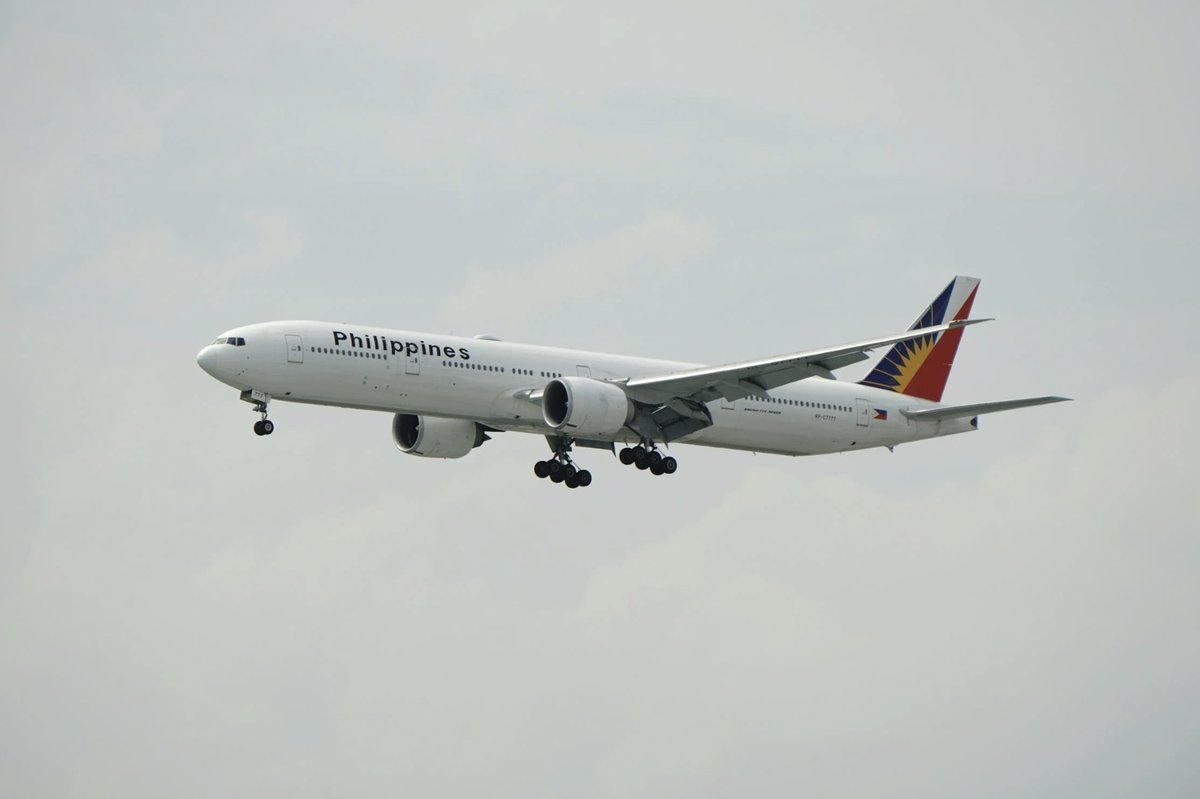
Two-Decade Carrier Becomes 2026's First Major Airline Casualty
Royal Air Philippines abruptly ceased all commercial operations on 4 January 2026, plunging into liquidation and leaving thousands of travellers scrambling for alternatives. The Manila-based carrier, which had operated for more than 20 years, cancelled every scheduled flight without warning, marking the first formal airline collapse of the year. Between 3,000 and 4,000 passengers holding tickets for travel between January and March suddenly found themselves with worthless bookings and uncertain refund prospects.
The airline's website now displays a brief message acknowledging the cancellations and promising to process refunds, though no specific timeline has been provided. "We are working on providing refunds and hope to resume flights at an unspecified date in the future," the statement reads. However, industry observers suggest that resuming operations remains highly unlikely given the formal liquidation proceedings now underway.
Royal Air Philippines, commonly known simply as Royal Air, is owned by the Cambodia-registered Lanmei Group, also called the Lancang-Mekong Group. The company is a Chinese-backed private enterprise founded and chaired by Li Kun, the former president of Shenzhen Airlines. Despite this backing, the carrier ultimately couldn't withstand the mounting pressures facing its low-cost business model.
Declining Tourism Numbers Sealed the Airline's Fate
The collapse of Royal Air Philippines stems directly from a dramatic decline in its core customer base of Chinese and South Korean tourists. During the first nine months of 2025, international passenger numbers plummeted to just 51,800 travellers, whilst domestic traffic collapsed by a staggering 63 percent to only 38,800 passengers. These figures represented a devastating reversal from the airline's brief period of growth in 2023 and 2024, when it successfully transported 100,000 and 116,000 passengers respectively.
CEO Eduardo Novillas had already signalled the carrier's dire situation weeks before the shutdown. In a 22 December letter to a travel agency, he warned that Royal Air would halt all commercial flights by 4 January, citing "significantly low interest" from key markets. Asian Development Bank economist Jules Hugot noted that arrivals from China to the Philippines remained well below pre-pandemic levels entering early 2025, creating an unsustainable operating environment for smaller carriers dependent on this traffic.
The airline's reliance on inbound tourism to popular Philippine destinations like Boracay and Palawan proved fatal as regional demand weakened. Simultaneously, larger Philippine carriers were expanding their fleets and route networks, intensifying competition precisely when Royal Air could least afford it. The timing proved particularly devastating for a smaller operator with limited cash reserves to weather sudden demand drops.
From Charter Service to Regional Player: A Brief History
Royal Air Philippines launched in 2002 as a charter service before pivoting to a low-cost carrier model in 2018. The airline received its licence to operate commercial flights in 2017 and flew its inaugural passenger service eight years ago between Cebu and Macau. This transition marked an ambitious expansion for the Manila-based charter and cargo operator, which rapidly built out its network across Asia.
At its peak, Royal Air served multiple international destinations, including Cambodia, China, South Korea, Hong Kong, and Taiwan. The carrier operated niche leisure routes that larger airlines often overlooked, such as the direct Taipei to Boracay service, which has now lost its only direct connection. For nearly two decades, the airline carved out a modest but viable position in the competitive Southeast Asian aviation market.
However, the carrier's narrow focus on specific tourism flows and limited fleet left it vulnerable to market shifts. When demand from Chinese and Korean travellers began declining steadily, Royal Air lacked the diversification and financial cushion to adapt. The airline's business model, which worked well during periods of robust regional tourism, proved insufficiently resilient when those conditions changed.
Stranded Passengers Face Refund Battle and Rebooking Chaos
The sudden cancellation has created immediate hardships for thousands of travellers who now face a complex recovery process. All flights were cancelled without advance warning, leaving passengers with invalid tickets and forcing them to arrange alternative travel at short notice. Replacement flights on popular routes often come with significantly inflated last-minute fares, adding financial strain to the inconvenience. Specific routes like Taipei to Boracay have lost direct service entirely, requiring passengers to book longer, multi-leg journeys.
The refund situation presents particular challenges due to the liquidation proceedings. When an airline enters liquidation, passengers typically become unsecured creditors, meaning they join a queue of claimants seeking payment from whatever assets remain. These processes frequently drag on for months or even years, and if funds run low, passengers may recover only a fraction of their ticket costs or nothing at all. The airline's vague promise to process refunds "at an unspecified date" offers little comfort to those seeking immediate reimbursement.
Affected travellers should take several urgent steps to protect their interests. Contacting credit card providers immediately to request chargebacks offers the best chance of swift reimbursement, as card companies often provide stronger consumer protections than waiting in liquidation queues. Reviewing travel insurance policies for coverage of airline insolvencies may provide another avenue for recovery. Booking alternative flights as quickly as possible helps avoid further price increases on popular routes as other passengers compete for limited remaining seats.
Warning Signs for Regional Aviation's Fragile Ecosystem
The Royal Air Philippines collapse underscores the precarious position of smaller regional carriers operating on thin margins with limited diversification. Airlines dependent on seasonal tourism flows and specific national markets face heightened vulnerability when demand patterns shift unexpectedly. The carrier's failure demonstrates how quickly operators with narrow customer bases can spiral from modest profitability to complete collapse when key markets weaken.
Timing proves crucial for smaller airlines, which typically hold less cash to weather sudden demand drops compared to their larger competitors. When services halt abruptly, passengers find themselves caught between airlines, travel agents, and credit card companies in complex disputes over refunds and rebooking costs. The liquidation process often leaves travellers as the lowest-priority creditors, behind secured lenders and other claimants with stronger legal positions.
This collapse serves as the first major airline failure of 2026, but it may not be the last. Regional aviation markets remain volatile, with smaller operators facing intense pressure from expanding legacy carriers whilst dealing with fluctuating fuel costs and unpredictable tourism flows. For travellers, the incident highlights the importance of booking with credit cards that offer strong consumer protections and purchasing comprehensive travel insurance that covers airline insolvencies. As the aviation industry continues adjusting to post-pandemic travel patterns, passengers should remain aware that smaller carriers operating niche routes face ongoing financial pressures that can lead to sudden operational collapses.