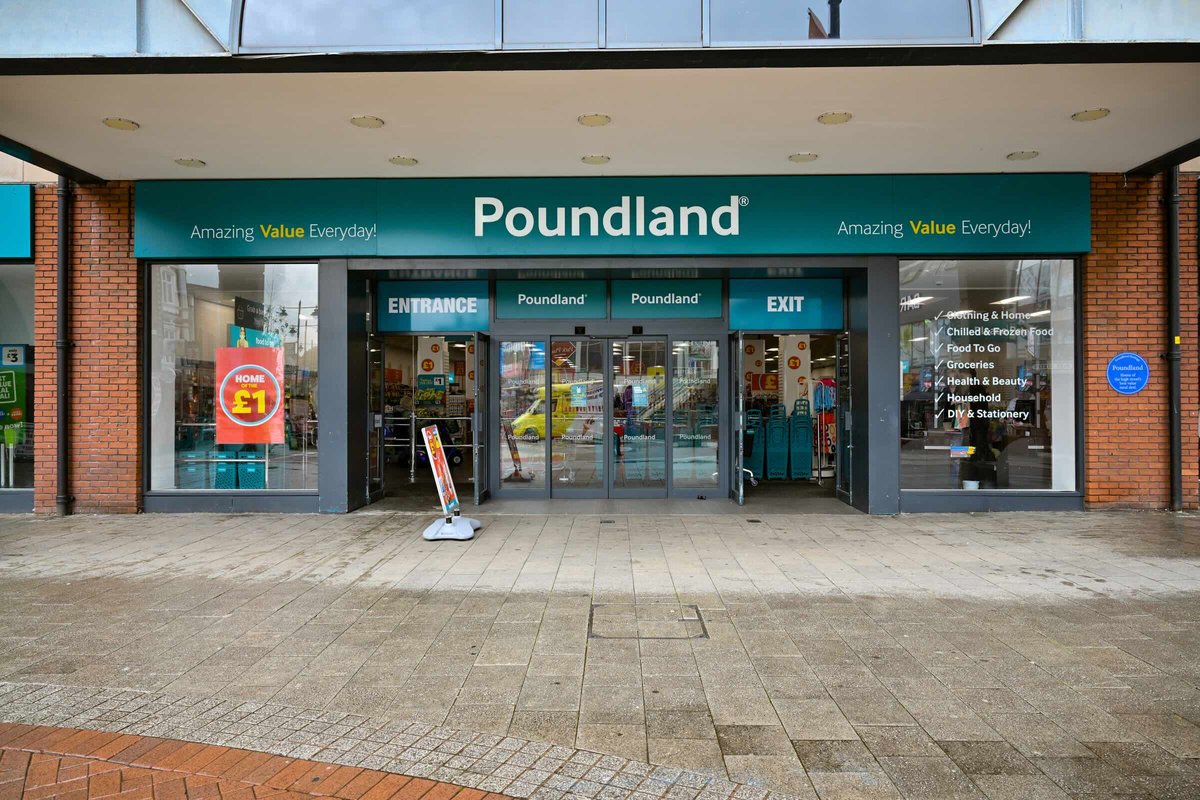
Budget Retailer Confirms Final Wave of December Closures in Ongoing Restructure
Poundland has officially confirmed the next batch of store closures set to take place before the end of December 2025, marking a critical phase in the discount chain's year-long restructuring efforts. The announcements come as the budget retailer continues to implement the recovery plan that began following its emergency takeover earlier this year. These latest closures represent part of the 68-store reduction program that has been systematically rolled out since the investment firm Gordon Brothers acquired the struggling chain for just £1 back in June.
The December closures follow an intense period of store shutdowns that began in October, with approximately 30 locations already having ceased operations. Managing Director Barry Williams has maintained that these difficult decisions are necessary to restore Poundland to profitability and sustainable growth. The company, which once operated around 800 stores across the UK, is working toward a leaner network of 650-700 locations that can operate more efficiently in today's challenging retail environment.
For communities losing their local Poundland stores, the closures represent the loss of a convenient shopping option that millions of British households have relied upon for affordable everyday essentials. The timing of these closures during the busy Christmas shopping season adds to the disruption, though the company has emphasized its commitment to serving customers at its remaining locations. Industry watchers note that the December closures likely target the poorest performing stores identified during the comprehensive review conducted following the Gordon Brothers acquisition.
Financial Crisis and High Court Rescue Led to Current Closure Program
The current wave of store closures has its roots in Poundland's near-catastrophic financial collapse earlier in 2025. The discount chain came perilously close to running out of money completely, with High Court approval for a major restructuring plan secured just days before the company would have faced insolvency. This dramatic rescue operation highlighted the severity of the financial pressures facing traditional discount retailers in an increasingly competitive and cost-intensive market environment.
Previous owners Pepco Group offloaded the struggling chain to US investment firm Gordon Brothers for the nominal sum of £1, a price that reflected both the company's dire financial position and the significant liabilities being transferred. At the time of the takeover, Poundland employed approximately 14,700 staff members across its 800-store network. The restructuring plan developed by Gordon Brothers identified 68 underperforming stores for closure, with approximately 1,000 workers expected to be impacted by the store reduction program.
Legal proceedings revealed that Poundland's troubles intensified over the past two years despite performing well during the Covid-19 pandemic. The company's attempt to compete more directly with supermarkets by introducing chilled and frozen products, along with launching online sales operations, significantly increased operating costs without generating sufficient additional revenue. These strategic missteps, combined with rising National Living Wage requirements and increased employer National Insurance contributions, created unsustainable cost pressures that the previous ownership model could not absorb.
December Clearance Sales Offer Shoppers Major Discounts Before Doors Close
Customers at stores earmarked for December closure can take advantage of significant clearance sales offering discounts of up to 40% across all product categories. These closing-down sales encompass the full range of Poundland merchandise, from homewares and groceries to clothing, health and beauty products, and seasonal items. The company has positioned these sales as a final opportunity to deliver exceptional value to loyal customers while efficiently clearing inventory from locations that will cease trading before year-end.
Store managers at closing locations have been instructed to implement progressive markdown strategies, with prices reduced systematically as closing dates approach and stock levels diminish. For bargain hunters, these clearance events present rare opportunities to secure household essentials, Christmas gifts, and everyday products at prices significantly below normal discount retail levels. Shoppers are advised to visit closing stores early in the clearance period to access the widest selection, as popular items typically sell out quickly once deep discounts are applied.
The clearance sales serve dual purposes for Poundland's restructuring efforts. Beyond thanking customers for their loyalty, these sales convert remaining inventory into much-needed cash flow while avoiding the logistical complications and costs associated with redistributing stock to other locations. Retail Manager Darren MacDonald emphasized that the company remains committed to delivering value right up until the final day of operations, ensuring that stores leave their communities "with pride" despite the disappointment of closures.
Simplified Pricing Model and Grocery Focus Define Post-Restructure Strategy
As Poundland closes underperforming stores, the company is simultaneously implementing a comprehensive transformation of its business model at surviving locations. A new three-tier pricing structure has been introduced, with approximately 60% of grocery items priced at £1, 20% at £2, and the remaining 20% at £3. This simplified approach represents a deliberate return to the chain's founding principles after years of price increases that saw growing numbers of products sold above the traditional pound price point that built the brand's reputation.
The grocery category forms the cornerstone of Poundland's revised strategy, with management refocusing on food products that deliver clear everyday value to budget-conscious shoppers. This marks a strategic retreat from the previous expansion into chilled and frozen foods, which increased operational complexity and costs without producing the anticipated competitive advantages against supermarkets and rival discount chains. By concentrating on shelf-stable groceries and household essentials where value propositions are most transparent, Poundland aims to recapture market share and rebuild customer trust.
Managing Director Barry Williams has expressed confidence that a streamlined, value-focused Poundland has strong prospects for the future. The combination of a smaller but more profitable store network, simplified operations, and transparent pricing is designed to create a sustainable business model capable of weathering economic headwinds while continuing to serve the 20 million-plus shoppers who rely on the chain annually. Success will depend on execution and whether British consumers embrace this back-to-basics approach, but early indications suggest that clarity and value resonate strongly with price-conscious households navigating ongoing cost-of-living pressures.
Retail Landscape Shifts as Traditional Discount Chains Face Mounting Pressure
Poundland's restructuring reflects broader challenges facing traditional discount retailers in the UK market. The discount sector has become increasingly competitive, with supermarkets aggressively expanding their own value ranges while online retailers offer unprecedented convenience and price comparison capabilities. This squeeze from multiple directions has forced established discount chains to fundamentally reassess their operational models and physical store footprints in ways that would have seemed unthinkable just a few years ago.
The rise in operational costs has hit discount retailers particularly hard due to their traditionally thin profit margins. Increases in the National Living Wage and employer National Insurance contributions, while beneficial for workers, have created significant new cost pressures for labor-intensive retail operations. When combined with rising energy costs, commercial rent pressures, and the need to invest in digital capabilities, these factors have compressed margins to unsustainable levels for stores that cannot generate sufficient sales volume.
The reduction from 800 to potentially 650 stores represents more than just a numerical downsizing—it signals a fundamental reimagining of what successful discount retail looks like in 2025. Gordon Brothers' strategy suggests that fewer, better-performing stores operating with simplified business models may prove more resilient than extensive networks of varying profitability. Whether this approach succeeds will have implications beyond Poundland, potentially serving as a blueprint or cautionary tale for other discount retailers navigating similar challenges in an evolving retail landscape where consumer expectations, shopping habits, and cost structures continue to shift rapidly.