Scottish Craft Beer Pioneer Enters Formal Sale Process
BrewDog has appointed restructuring specialists AlixPartners to oversee a formal sale process that could result in the break-up of one of Scotland's most recognisable alcohol brands. The Ellon-based craft brewer, founded by James Watt and Martin Dickie in 2007, has been sounding out potential buyers with a rapid deadline set for initial offers. The move represents a dramatic turn for a company that once boasted valuations approaching £2 billion and harboured ambitions for a public listing.
The decision follows five consecutive years of financial losses totalling £148 million since the company last turned a profit in 2019. BrewDog posted a £36.6 million pre-tax loss in 2024, an improvement on 2023's £59.2 million deficit but still far from the return to profitability that management had promised investors. Revenue remained largely stagnant at £357 million, barely budging from the previous year's £354.6 million despite the company's extensive global footprint of breweries and approximately 60 UK pubs.
The company's largest shareholder, US private equity firm TSG Consumer Partners, which acquired a 22% stake in 2017 in a deal valuing BrewDog at around £1 billion, has already extended a £20 million loan to keep operations afloat. Interest payments alone have ballooned to £17.3 million annually, with the company taking on high-interest debt at rates as steep as 18% in recent years. BrewDog maintains that its breweries, bars and venues will continue operating normally throughout the process, though the company declined to comment on speculation about its future ownership structure.
Crowdfunding Investors Face Uncertain Returns
Around 220,000 individual investors who backed BrewDog through its groundbreaking "Equity for Punks" crowdfunding scheme now face the prospect of recovering little from their average £400 investment. The company raised approximately £75 million from retail investors across multiple fundraising rounds between 2009 and 2021, offering perks including discounts, early access to new beers and a stake in what co-founder James Watt frequently described as the company's "heart and soul." The scheme was integral to BrewDog's rapid international expansion and helped establish a loyal community of brand advocates.
However, any sale at a significantly reduced valuation would leave these small shareholders with minimal returns on their investment. The company's accumulated losses since incorporation in 2006 have climbed to nearly £100 million, eroding shareholder value despite the initial enthusiasm that surrounded the Equity for Punks model. Industry analysts have noted that the crowdfunding approach, whilst innovative for its time, created a complex shareholder structure that may complicate any potential sale or restructuring.
Co-founder James Watt, who stepped down as chief executive in March 2024 but remains on the board as "captain and co-founder," is reportedly considering a bid to buy back the business. Watt and Dickie each reportedly received around £100 million when they sold their stake to TSG Consumer Partners in 2017, though Watt has retained a significant shareholding in the company. Martin Dickie departed the business entirely in August 2025, citing personal reasons for his exit after nearly two decades building the brand.
Aggressive Cost-Cutting Fails to Stem Losses
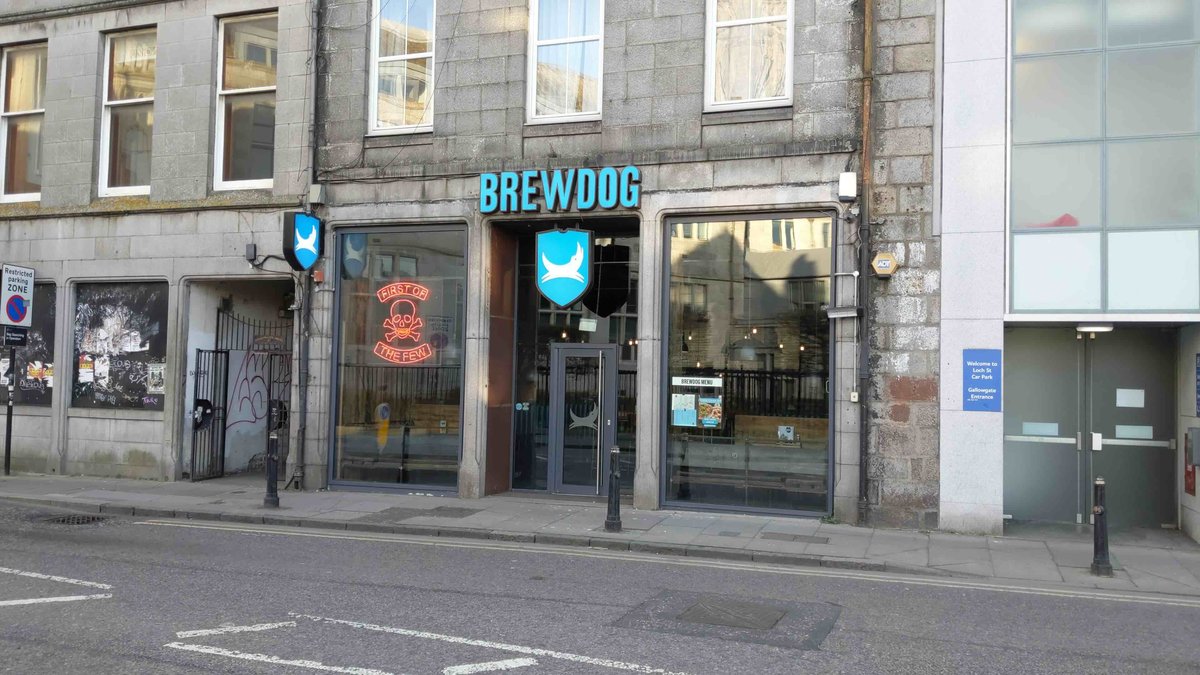
BrewDog has implemented sweeping cost-cutting measures throughout 2025 in an attempt to stabilise its finances, but these efforts have failed to return the business to profitability. The company announced job cuts across multiple departments in October 2024, reducing its workforce from a peak of around 1,400 employees. In July 2025, BrewDog shuttered 10 bars across the UK, including its original flagship venue in Aberdeen, as part of a strategic review aimed at repositioning its bar portfolio under "destination hubs" and "community bars" for what management described as "long-term, profitable growth."
Most recently, the company halted production at its state-of-the-art distillery in Ellon, which opened in 2016 alongside its main brewery. The facility produced spirits brands including Lonewolf Gin and Abstrakt Vodka, and BrewDog had previously outlined ambitious plans to lay down 2,000 whisky casks in 2023 as part of a Scotch whisky venture. The distillery closure represents another retreat from the aggressive expansion strategy that characterised BrewDog's growth years, with the company describing the decision as "difficult" whilst stating the facility's future remains under review.
Operating expenses rose sharply by 11% to £153 million in 2023, whilst gross margins slipped from 43.5% to 42.9%. The company also recorded a £14.5 million impairment charge related to historic acquisitions, further deepening its losses. James Taylor, BrewDog's third chief executive in just one year, attempted to highlight positive developments by noting the company had "achieved our highest ever share of the UK beer market, selling the equivalent of 4.5 cans of beer every second in UK supermarkets," though this market share gain failed to translate into financial sustainability.
UK Craft Beer Industry Confronts Existential Crisis
BrewDog's troubles reflect broader challenges facing the UK's independent brewing sector, which is battling increased taxation, restricted market access and declining alcohol consumption. According to the Society of Independent Brewers & Associates (SIBA), the total number of active breweries in the UK dropped to 1,641 by the end of March 2025, with nearly half of independent brewers stating their main priority is simply survival. Almost a third of brewers expect turnover to fall despite average production climbing 10% last year, highlighting the squeeze on profit margins across the industry.
The SIBA Independent Beer Report 2025 revealed that on average 60% of pubs within 40 miles of an independent brewery were inaccessible to them due to supply agreements with global beer companies, blocking small brewery sales and reducing consumer choice. Independent brewers are earning less for the beer they sell despite prices rising in pubs, with the price brewers receive for their products actually dropping over the past 12 months. SIBA Chief Executive Andy Slee warned that "times are incredibly tough for independent breweries" and called for lower tax burdens for pubs, reduced direct taxes for brewers and greater market access.
The crisis extends beyond breweries to the pub sector itself, with polling from Survation for the UK Spirits Alliance revealing that nearly three in 10 pubs fear they may not survive another year if costs continue to increase. This equates to approximately 11,000 venues across the UK at risk of closure, which would prove devastating for independent breweries that rely heavily on pub sales for their short shelf-life products. Rising business rates, VAT and National Insurance contributions have created what industry insiders describe as a "vicious cycle" that threatens to fundamentally reshape Britain's craft beer landscape.
From Punk Disruptors to Corporate Cautionary Tale
BrewDog's journey from two friends brewing in a garage in Aberdeenshire to a global brand with operations in the US, Australia and Germany exemplified the craft beer revolution of the 2010s. The company built its reputation on provocative marketing campaigns that positioned it as an anti-establishment underdog taking on corporate beer giants, with stunts and controversies regularly generating headlines. However, rapid expansion, ambitious capital projects and a corporate culture that came under scrutiny have transformed BrewDog from disruptor to a cautionary tale about the perils of unchecked growth.
In 2024, the company faced backlash after revealing it would no longer hire new staff on the real living wage, instead paying the lower legal minimum wage. The decision marked a stark departure from the progressive employer image BrewDog had cultivated and drew criticism from former supporters. The company's workplace culture had previously attracted negative attention, with former employees raising concerns about management practices, though BrewDog disputed these characterisations.
The current sale process represents a potential endpoint for BrewDog's independent existence, with industry observers speculating that the business could be broken up and sold to multiple buyers rather than acquired as a single entity. Whilst the company states it expects to attract "substantial interest" from potential purchasers, the challenging economics of the craft beer sector and BrewDog's accumulated losses may limit the pool of serious bidders. For the thousands of Equity for Punks investors who bought into the company's rebellious ethos and growth story, the outcome serves as a sobering reminder that craft beer's punk spirit doesn't always translate into sustainable business fundamentals.
Is your business facing a similar situation? If you're a director of a UK company under financial pressure, understanding your options early makes a critical difference. K2 Business Partners has guided directors through business losses and financing a recovery since 1990. Read our in-depth guide to turnaround finance, or call us today on 020 7720 8000.