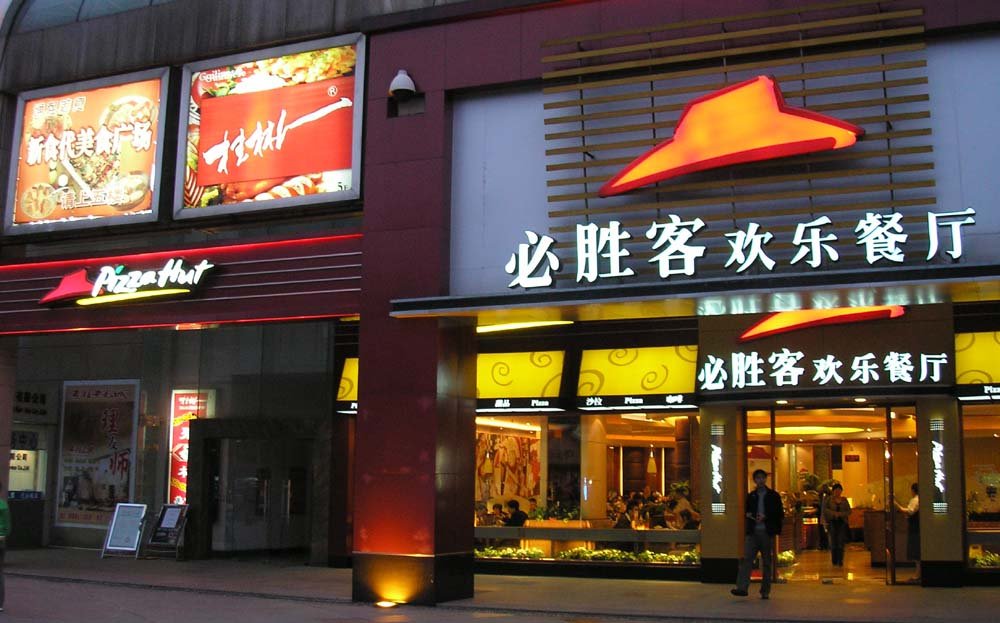
Pizza Hut is entering a new chapter after a transaction that will separate its China operations from the rest of the world. The deal highlights a reality that increasingly shapes multinational consumer brands: success in one market does not guarantee success elsewhere.
For decades, Pizza Hut benefited from the scale, recognition and international reach associated with being one of the world’s largest restaurant chains. Yet recent performance has varied significantly by geography. While the business has continued to expand and grow in China, many of its other major markets have faced slower sales, rising competition and changing consumer behaviour.
The transaction reflects these contrasting fortunes. It also provides a useful case study in how restaurant brands evolve, adapt and sometimes restructure when growth trajectories begin to diverge across regions.
A Global Brand Facing Different Local Realities
Pizza Hut remains one of the most recognised names in the restaurant industry. Outside China, the brand operates more than 15,000 locations across over 100 countries, giving it one of the largest footprints in global food service.
Brand recognition alone, however, is rarely sufficient to sustain growth. Consumer expectations within the pizza market have changed considerably over the past decade. Customers increasingly prioritise speed, digital ordering, delivery convenience and value. Competition has intensified as established chains invest heavily in technology while delivery platforms provide consumers with a wider range of choices than ever before.
These shifts have created challenges for legacy restaurant brands. Companies that once benefited from scale and market leadership have found themselves competing in an environment where operational efficiency, customer experience and digital capability often matter as much as brand heritage.
The Competitive Pressures Reshaping Pizza Markets
In several mature markets, Pizza Hut has faced sustained pressure from competitors that have sharpened their positioning and invested aggressively in technology. Digital ordering systems, loyalty programmes, data-driven marketing and streamlined delivery operations have become increasingly important competitive advantages.
The economics of the restaurant sector have also become more demanding. Inflation has increased labour, ingredient and operating costs while many consumers have become more selective about discretionary spending. Restaurant operators are therefore balancing rising expenses against the need to maintain attractive pricing.
These conditions can be particularly challenging for large, established businesses with extensive store networks. Maintaining consistency across thousands of locations requires significant investment, while modernising restaurants and upgrading technology platforms can take years to implement. As market conditions evolve, businesses that once enjoyed substantial advantages can find themselves working to regain momentum.
Why Pizza Hut China Has Followed A Different Path
The story in China has been notably different. Pizza Hut has spent years adapting its offering to local preferences, creating menus, formats and customer experiences designed specifically for Chinese consumers.
This localisation strategy has allowed the business to establish a distinct market position. Rather than relying solely on its international heritage, Pizza Hut China has evolved into a brand that reflects local tastes and dining habits. The result has been continued expansion alongside growing sales and profitability.
The contrast illustrates an important principle in international business strategy. Global brands often achieve stronger long-term performance when they balance brand consistency with local adaptation. Companies that understand regional consumer preferences are often better positioned to capture growth opportunities and maintain relevance as markets evolve.
What New Ownership Means For The Future
The separation creates different opportunities for each party involved. For the buyer of the international business, the attraction lies in the possibility of improving performance within a well-known brand that still retains significant scale, customer awareness and franchise relationships.
Turnaround investors are often drawn to businesses where operational improvements can generate meaningful gains. Areas such as technology investment, restaurant modernisation, franchise support and customer acquisition may offer opportunities to strengthen performance and improve profitability over time.
For the China business, greater independence may allow management to continue focusing on expansion within a market where the brand has already established a successful operating model. The strategic priorities of a growing business are often very different from those of a turnaround situation, making separate ownership structures easier to manage.
The Bigger Lesson For Consumer Brands
The Pizza Hut transaction highlights a broader trend affecting multinational consumer companies. Growth increasingly depends on an organisation’s ability to adapt to local market conditions while maintaining the strengths that made the brand successful in the first place.
Many global businesses are discovering that scale alone no longer guarantees competitive advantage. Consumers now have more choice, greater price transparency and easier access to alternatives. Businesses must therefore continually invest in technology, customer experience and operational excellence to remain relevant.
Pizza Hut still possesses assets that many restaurant brands would value: international recognition, a large franchise network and a substantial customer base. The question facing its new owners is whether those strengths can be translated into renewed growth in markets where consumer behaviour has shifted significantly. The answer will determine whether this transaction becomes remembered as the conclusion of a difficult period or the beginning of a successful recovery.