Financial Momentum Signals End of Turbulent Chapter for Iconic Retailer
Victoria's Secret is demonstrating tangible signs of recovery after navigating one of the most challenging periods in its corporate history. The company's latest quarterly performance reveals net sales reaching $1.47 billion through early November, marking a 9% increase year-over-year. Comparable sales climbed 8%, suggesting genuine consumer re-engagement rather than artificial growth driven by promotional activity or store expansion alone.
The international segment has emerged as a particular bright spot, with sales surging by a third compared to the prior year period. This global expansion represents a significant achievement for a brand that historically concentrated its efforts on North American markets. Meanwhile, domestic operations across both physical retail locations and e-commerce channels delivered mid-single digit growth, indicating that the brand is successfully reconnecting with its core customer base on home turf.
This performance marks a dramatic reversal of fortune for a retailer that was closing stores, reporting substantial losses, and exploring potential sale options just a few years ago. The failed acquisition attempt underscored how severely brand equity had deteriorated, yet the company has since charted an independent path forward. Investor confidence has returned, with share prices rallying substantially since spring, reflecting growing belief that this turnaround represents sustainable strategic progress rather than temporary momentum.
Product Authority Restoration: Returning to Core Competencies in Intimate Apparel
The foundation of Victoria's Secret's recovery rests on reclaiming technical leadership in bras, the category that originally established the brand's market dominance. For specialty retailers, competitive advantage emerges from product expertise, and the company had allowed this critical differentiator to erode over time. The strategic decision to refocus on fit precision, functional performance, and genuine innovation has re-anchored the brand in the fundamentals that customers depend on when making intimate apparel purchases.
Initiatives like the FlexFactor program exemplify this renewed commitment to product excellence. Rather than chasing fashion trends at the expense of functionality, the company has prioritized solving real customer needs around comfort, support, and versatility. This approach acknowledges that while marketing creates awareness, product quality drives repeat purchases and builds lasting brand loyalty. The emphasis on technical innovation positions Victoria's Secret to compete on substance rather than image alone.
This product-first strategy addresses a fundamental mistake many retailers make during periods of brand decline—attempting to fix perception problems with marketing rather than addressing underlying product weaknesses. By rebuilding from the product level upward, Victoria's Secret has created authentic reasons for customers to return. The focus on bra expertise specifically targets the highest-margin, highest-frequency purchase category in the intimate apparel sector, making it a strategically sound foundation for broader business recovery.
Portfolio Clarification: Strategic Segmentation Drives Targeted Growth
A critical component of the turnaround involves establishing clearer boundaries and distinct strategies across Victoria's Secret's various business units. PINK, previously treated as an extension of the main brand, now operates as a separate entity with its own customer demographic and brand voice. This segmentation allows each business to develop messaging, product assortments, and experiences tailored to specific audiences rather than attempting to serve multiple customer groups with a single approach.
The company has also elevated international operations and digital channels from afterthought status to strategic priorities. For years, these segments underperformed relative to their potential, treated as secondary distribution channels rather than growth engines in their own right. By investing in infrastructure, localization, and dedicated management attention, Victoria's Secret is positioning these areas to contribute meaningfully to overall performance. The exceptional international growth demonstrates this strategic reorientation is already delivering results.
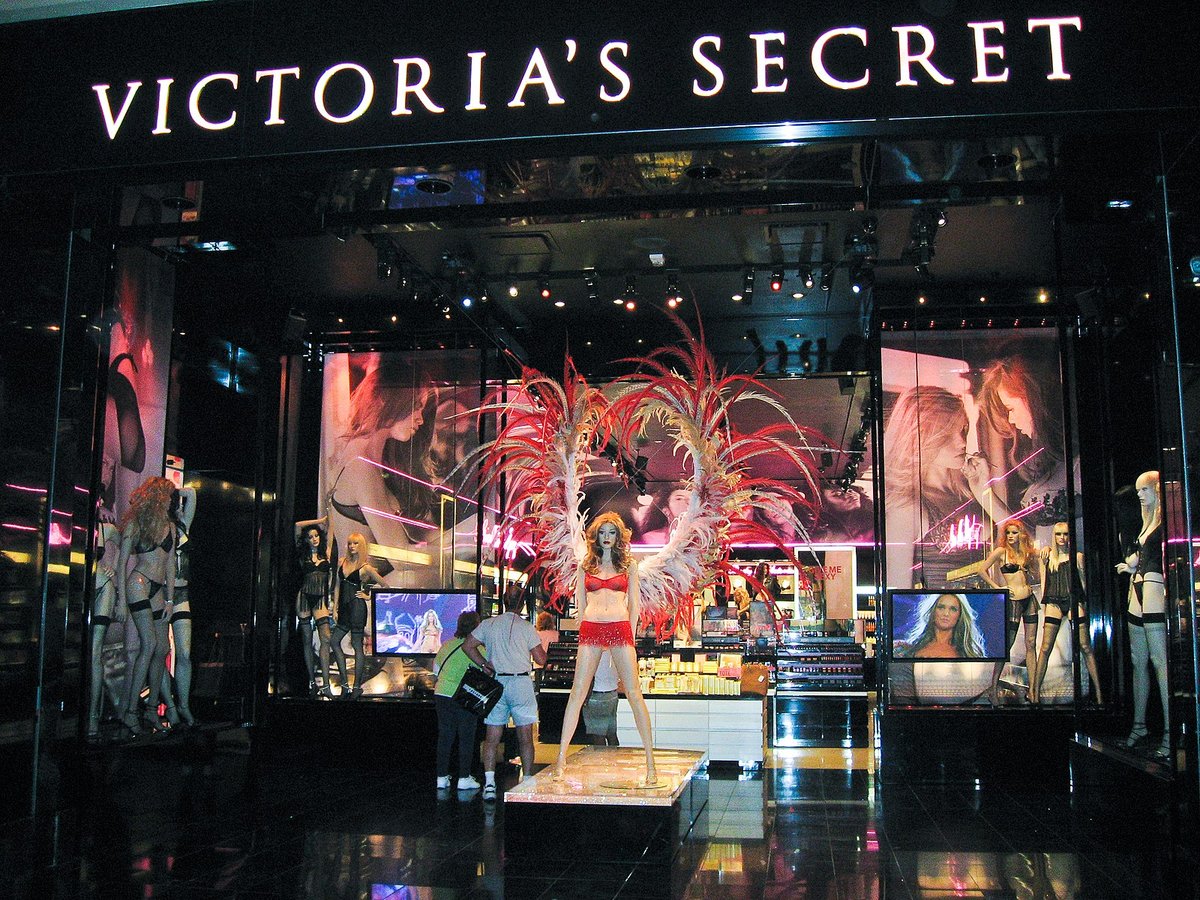
Physical retail environments have undergone significant transformation as well, with store formats refreshed to feel more welcoming and accessible. This represents a deliberate shift away from the aspirational exclusivity that previously characterized the brand experience. While subtle in execution, this environmental change addresses a fundamental disconnect that had developed between how the brand presented itself and how modern consumers wanted to feel when shopping for intimate apparel. The new store aesthetic acknowledges that empowerment and inclusion resonate more powerfully than unattainable fantasy.
Brand Narrative Reconstruction: Balancing Heritage with Modern Relevance
Marketing strategy has been carefully recalibrated to acknowledge past missteps while projecting renewed confidence. With reputational challenges still relatively recent, the brand has adopted a measured approach that balances emotional storytelling with contemporary values. This navigation is particularly delicate for a company whose brand identity became controversial, requiring authenticity rather than superficial gestures toward changing cultural norms.
The decision to revive the fashion show represents a calculated bet on nostalgia and spectacle as tools for momentum building. Rather than abandoning iconic brand assets entirely, Victoria's Secret is attempting to recontextualize them for a different cultural moment. The challenge lies in capturing the energy and attention the show historically generated while avoiding the objectification and narrow beauty standards that ultimately damaged consumer trust. Early responses suggest the gamble may be paying off, though sustained success will depend on execution consistency over time.
This marketing evolution reflects a broader lesson about brand recovery: radical reinvention often proves less effective than thoughtful evolution. By maintaining connections to brand heritage while modernizing voice and values, Victoria's Secret is attempting to retain existing customers who valued certain aspects of the traditional brand while welcoming new audiences. The approach requires careful balance—too conservative and the brand appears tone-deaf; too radical and it alienates the core customer base that sustained the business through difficult years.
Market Outlook: Cautious Optimism Amid Ongoing Challenges
Financial analysts maintain a constructive but measured perspective on Victoria's Secret's trajectory. While execution quality has improved noticeably and the brand narrative has gained coherence, full recovery remains incomplete. Profitability metrics continue stabilizing but haven't yet reached levels that would indicate the company has definitively turned the corner. Cost discipline has strengthened, suggesting management understands that top-line growth must translate to bottom-line results.
The substantial share price appreciation since early spring indicates that investors are increasingly confident in the turnaround's durability. Market participants appear to view recent performance as evidence of fundamental strategic improvement rather than cyclical upturn or temporary promotional success. This investor sentiment matters because it provides the company with flexibility to invest in long-term initiatives rather than managing for short-term earnings, creating a virtuous cycle if execution continues improving.
However, significant work remains before Victoria's Secret can claim complete recovery. The intimate apparel market has become more competitive, with both established players and emerging digitally-native brands vying for market share. Consumer expectations around inclusivity, sustainability, and brand values continue evolving, requiring ongoing adaptation. The company's ability to maintain momentum will depend on sustaining strategic clarity, continuing product innovation, and consistently delivering experiences that align with how modern consumers want to engage with intimate apparel brands. For now, the trajectory appears positive, grounded in deliberate choices and improving operational execution rather than hope or hype.