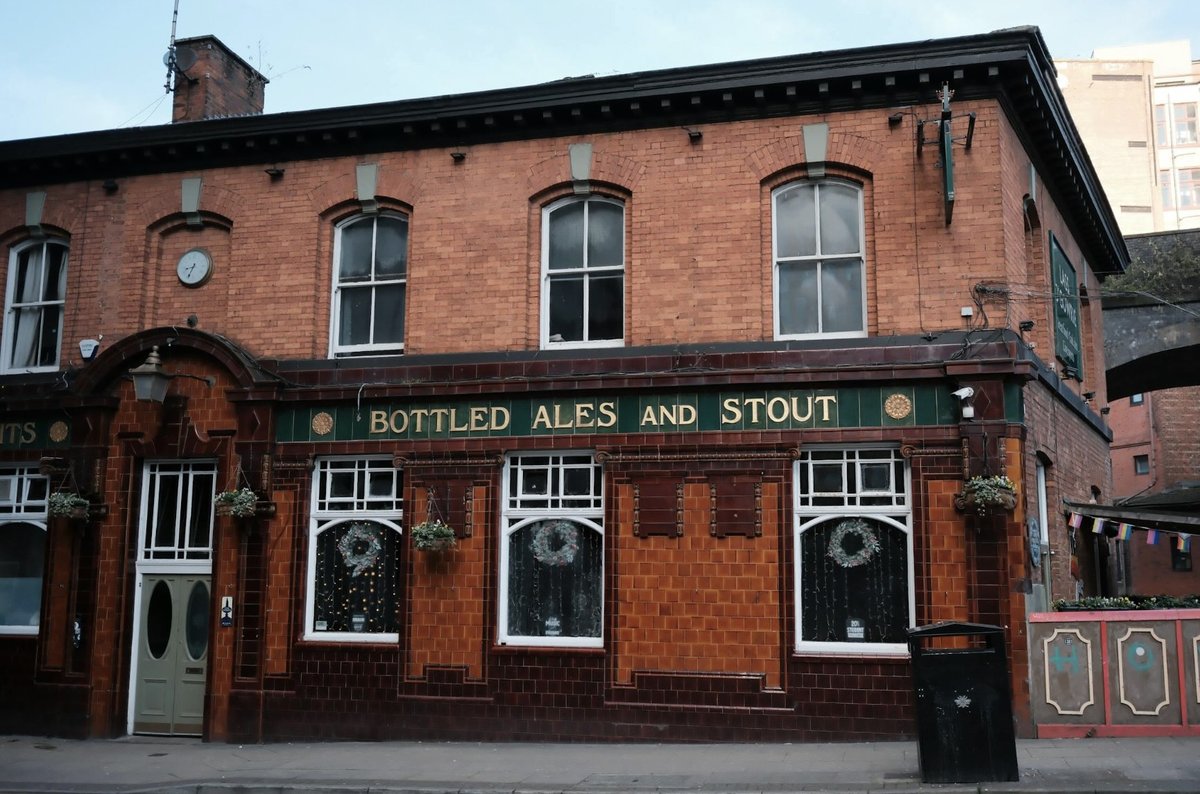
UK High Streets Face Unprecedented Wave of Store Closures in 2026
The UK retail landscape is experiencing a dramatic transformation as major chains announce widespread store closures throughout 2026. River Island is shutting 32 stores across the country by the end of January, with locations in Brighton, Oxford, Edinburgh, and Wrexham among those affected. The fashion retailer recorded a £33.2 million loss in 2023 following a 19% sales decline, forcing it to pursue a court-approved restructuring plan. Cancer Research UK has also announced plans to close 88 charity shops by May 2026, with up to 100 more closures planned by April as operating costs spiral out of control.
The closures reflect a broader pattern affecting retailers nationwide, with research showing nearly 50,000 businesses now in critical financial distress. During the first half of 2024 alone, 38 stores closed per day across Great Britain—totalling 6,945 closures—while only 25 new outlets opened daily. This resulted in a net decline of 12 stores per day, continuing a trend that has stabilised at approximately 1% net closures annually since the pandemic. High streets have been particularly hard hit, experiencing a closure rate of 1.5%, worse than the national average of 1.1%.
The scale of the crisis extends beyond fashion retail to encompass banks, pubs, and chemists, which together account for half of all net closures. Banks saw 247 closures, while pubs experienced 432 closures during the first half of 2024. Footfall across high streets, shopping centres, and retail parks remains 15-20% lower than pre-pandemic levels, forcing retailers to fundamentally rethink their physical presence. Online retail now accounts for 28% of all retail sales, the highest penetration since February 2022, accelerating the shift away from traditional brick-and-mortar shopping.
Business Rates Reform Adds £600 Million Tax Burden to Struggling Retailers
Britain's largest retailers face a staggering £600 million surge in property taxes from April 2026 due to government reforms targeting properties valued over £500,000. The new system will hit major supermarkets particularly hard, with over 90% of Tesco, Asda, and Sainsbury's stores exceeding the threshold. The grocery sector alone faces more than £350 million in additional annual costs, with suppliers including food manufacturers, bakeries, and dairies also confronting steeper bills. This comes on top of the existing £11 billion business rates burden that retailers already shoulder.
West End retail properties will experience the most dramatic impact, with 335 stores likely to exceed the £500,000 rateable value threshold. Annual liabilities for these premium locations are projected to jump from £212 million to £274 million—equating to an average increase of £182,727 per property. Rateable values in the area are expected to rise around 30% following the revaluation, reaching 55 pence in the pound. While the government has introduced 40% relief for retail, hospitality, and leisure businesses (capped at £110,000 per business) for the 2025-26 billing year, this provides limited protection for larger operators.
The reforms will force more than 3,000 small pubs to pay business rates for the first time, removing previous exemptions that helped these venues survive. The Treasury defends the changes as creating "a fairer business rates system to protect the high street" and notes that over 280,000 retail, hospitality, and leisure properties will benefit from permanently lower rates. However, critics argue that the timing couldn't be worse, as retailers simultaneously grapple with increased National Insurance contributions and minimum wage rises. The cumulative effect of these cost pressures is pushing many viable businesses toward insolvency.
National Insurance and Wage Increases Squeeze Already Thin Profit Margins
The British Retail Consortium predicts that the Treasury's increase to employer National Insurance Contributions from April 2026 will cost the retail sector £2.3 billion annually. Combined with minimum wage increases, these labour cost pressures are forcing retailers operating on already narrow margins to make difficult decisions about their future. Research indicates that businesses across every sector are facing significant headwinds, with consumer-facing industries bearing the brunt of economic uncertainty. Small and medium-sized businesses have limited financial headroom to absorb rising costs, pushing many to a tipping point.
The hospitality sector faces particularly acute challenges, as bars and restaurants typically operate on razor-thin margins where even small cost changes can prove devastating. Research shows that bars and restaurants in critical distress rose from 995 in Q3 2025 to 1,034 in Q4 2025, a 14.1% year-on-year increase. These venues have dealt with a "tidal wave of challenges" including increased employer National Insurance, higher minimum wages, and a cost-of-living squeeze reducing consumers' disposable income. The sector's vulnerability means that many establishments lack the capacity to absorb further shocks without facing closure.
Labour costs for hotel workers alone have jumped by almost 5%, adding to the financial strain on the hospitality industry. Nearly half of hotel owners surveyed reported being understaffed, while 30% saw declines in completed leisure stays. Some 26% reported drops in upcoming leisure bookings compared to the previous year, with business, group, and government travel also showing softness. The combination of reduced demand and increased operating costs creates a perfect storm that threatens the viability of thousands of hospitality businesses across the UK.
Consumer Behaviour Shifts Accelerate Decline of Physical Retail Locations
The migration of shopping habits online has fundamentally altered the retail landscape, with online sales reaching 28% of all retail transactions by July 2024. This represents the highest online penetration since February 2022, when physical retail was depressed due to the Omicron variant. Consumers increasingly prioritise convenience and value, holding back purchases until major sales events like Black Friday, which creates price wars that further erode retailer margins. Reduced consumer confidence and economic uncertainty in the run-up to the October 2025 Budget meant that spending took a significant hit during what should have been the profitable "golden quarter."
Research reveals that online retailers experienced a 20.5% year-on-year increase in critical distress, compared to 14.4% for those with physical stores, challenging assumptions about the superiority of digital-only models. However, online retailers also drove a 9.1% year-on-year fall in significant distress, compared to just 3.9% for physical retailers, suggesting a more polarised outcome. The data indicates that success in retail now depends on adapting to hybrid consumer behaviour rather than simply choosing between online and offline channels. Retailers must satisfy consumer trends for convenience, variety, and experiential shopping that fills an immediate need or feels exciting.
Footfall patterns have fundamentally changed, with high streets suffering disproportionately as consumers shift to retail parks and shopping centres that offer easier parking and diverse leisure options. Shopping centres have seen fewer net closures than during the pandemic peak, when they experienced 4.7% net closures in the first half of 2021. Many have successfully repositioned toward more resilient retail and leisure categories, creating destinations that combine shopping with dining and entertainment. The evolution suggests that physical retail isn't dying but transforming into experience-driven spaces that complement rather than compete with online shopping.
Sector-Specific Distress Signals Deepening Economic Challenges Ahead
Consumer-facing industries show the steepest increases in critical financial distress, with leisure and cultural activities up 96.7%, hotels and accommodation up 92.5%, and general retailers up 85.6% year-on-year. These dramatic increases reflect subdued discretionary spending as households grapple with their own financial pressures and volatile confidence levels. The knock-on effect is particularly visible in sectors with thin margins and high fixed costs, where growth has become nearly impossible to achieve. Research indicates that nearly 2,000 general retailers and over 1,000 bars and restaurants reported being in critical distress as of December 2025.
Despite some positive indicators—including a 5.9% fall in general retailers in significant financial distress and a 2.4% fall in critical distress from Q3 to Q4 2025—the overall trajectory remains concerning. The modest quarterly improvement during the golden quarter proved insufficient to offset the year-on-year deterioration in business health. Categories traditionally experiencing high closure rates, including fashion, furniture, and electrical retailers, saw some improvement in 2024 compared to pandemic-era peaks. However, only four categories are experiencing growth at more than one store per week: convenience stores, coffee shops, value retailers, and cafes.
Industry experts warn that 2026 will likely witness increased insolvencies well beyond the typically lean months of January and February. HMRC is cracking down to recall unpaid taxes, adding another pressure point for struggling businesses that may have deferred obligations during the pandemic. The hospitality sector faces a $48 billion CMBS maturity wave in 2025-2026 in the US market, with similar refinancing challenges affecting UK operators who locked in low rates during 2020-2022 and now face significantly higher debt costs. Without meaningful support or a dramatic improvement in consumer spending, the wave of closures affecting towns like Swindon will continue to reshape the UK's retail and hospitality landscape throughout 2026 and beyond.
Sources