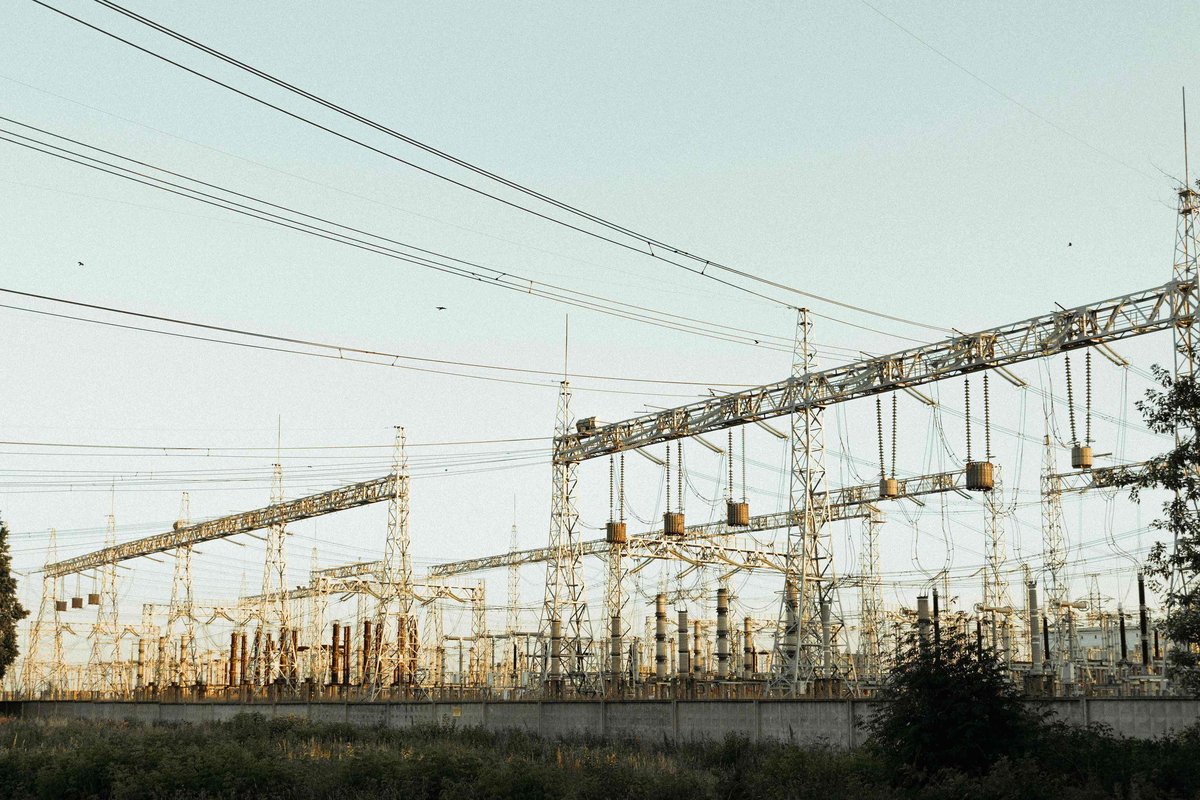
The UK economy is entering a period of weaker growth following a global energy shock linked to geopolitical tensions. Forecasts now point to a noticeable slowdown, with output expected to expand at a more subdued pace than previously anticipated. Among advanced economies, the UK appears particularly sensitive to this shift, and the reasons are largely structural.
At the centre of this exposure is the country’s reliance on imported energy. As a net importer of oil and gas, the UK is more directly affected when global prices rise sharply. Higher energy costs feed quickly into business expenses, from manufacturing to logistics, while also raising household bills, which reduces discretionary spending.
This combination creates a broad-based drag on economic activity. Businesses face tighter margins, consumers adjust their spending patterns, and overall demand softens. While these dynamics are not unique to the UK, the degree of exposure means the effects are felt more acutely compared with economies that have stronger domestic energy supply.
Inflation Pressures and the Limits on Interest Rate Cuts
Rising energy costs tend to pass through into inflation, and the UK is expected to see price pressures remain elevated relative to its peers. Forecasts suggest inflation may move higher in the near term before gradually easing, leaving it above the levels seen in several other advanced economies.
This matters because it shapes the path of monetary policy. Central banks are less able to reduce interest rates when inflation remains persistent. As a result, borrowing costs are likely to stay higher for longer, which weighs on investment decisions and household spending.
The interaction between inflation and interest rates creates a tighter financial environment. Businesses face more expensive financing conditions, and consumers encounter higher mortgage and credit costs. Together, these factors reinforce the slowdown already driven by energy prices, extending the period of weaker growth.
Limited Fiscal Flexibility in a Constrained Environment
Fiscal policy offers another potential lever, yet the scope for intervention remains limited. Public finances are already under pressure, and any additional support measures are expected to operate within existing spending constraints rather than through significant new stimulus.
This constraint reduces the government’s ability to offset the impact of higher energy costs. Targeted support may still be deployed, particularly for vulnerable households or specific sectors, but broad-based fiscal expansion appears unlikely in the current environment.
The result is a policy mix that leans towards caution. With monetary policy constrained by inflation and fiscal policy limited by budgetary pressures, the economy must absorb a greater share of the external shock. This helps explain why the UK’s growth outlook has been revised more sharply than that of several comparable economies.
Relative Exposure Compared with Other Advanced Economies
While many advanced economies are experiencing similar global pressures, the degree of impact varies depending on domestic conditions. Countries with greater energy self-sufficiency or diversified supply chains are better positioned to cushion the initial effects of rising prices.
The UK’s position as a net energy importer increases its sensitivity to these external movements. Price changes in global markets translate more directly into domestic costs, amplifying the effect on inflation and growth. This structural characteristic plays a central role in the current outlook.
At the same time, the UK retains underlying strengths that continue to support its medium-term prospects. A flexible labour market, deep financial services sector, and strong institutional framework provide a foundation for recovery once external pressures begin to ease.
Prospects for Recovery as Energy Pressures Ease
Looking ahead, the outlook is not uniformly negative. As global energy markets stabilise, the pressures currently weighing on the UK economy are expected to moderate. This should allow inflation to ease and create room for a more supportive monetary environment over time.
Forecasts indicate that the UK could regain relative momentum among advanced economies in the following year. Growth is expected to strengthen, even if it remains below earlier projections. The adjustment reflects a shift from an energy-driven slowdown towards a more balanced expansion.
This pattern highlights the cyclical nature of economic performance. Structural factors such as energy dependence can amplify short-term shocks, yet their impact can diminish as conditions normalise. As energy costs settle, the UK’s growth profile is likely to become more competitive again, supporting a gradual return to stronger economic performance.