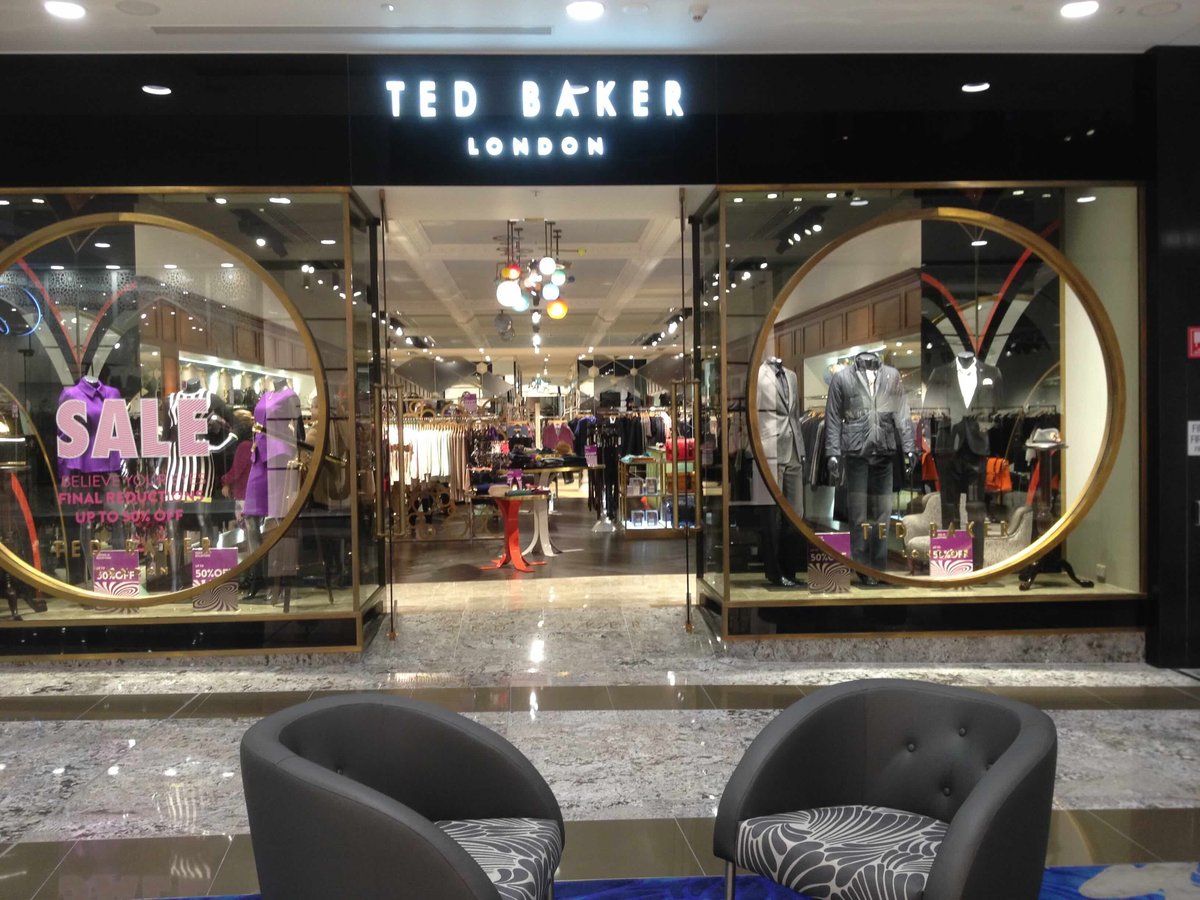
Ted Baker’s Collapse and the Shock Exit from the High Street
In 2024, Ted Baker’s fall from grace became one of the starkest symbols of the pressure on mid-market fashion brands. Its UK and European retail arm, No Ordinary Designer Label (NODL), entered administration in March after sustained losses and operational turbulence, triggering a rapid wave of store closures. By August, all 46 UK standalone stores had shut, ending a 36‑year physical presence and putting nearly 1,000 jobs at risk.
The administration capped years of instability that included leadership controversies, weakening margins and a challenging shift to post‑pandemic shopping habits. Authentic Brands Group (ABG), which acquired Ted Baker in 2022, runs an asset‑light model that licenses operations out to partners; when its UK licensee AARC faltered, NODL was left exposed. Administrators warned that, without a fresh licensing deal for the brand, liquidation of the UK operations was a real possibility. For many shoppers, the sudden shuttering of much‑loved Bullring, London Bridge and regional boutiques felt like the abrupt end of an era.
How Authentic Brands and New Partners Rewired Ted Baker’s UK Strategy
Behind the scenes, ABG moved quickly to keep the Ted Baker name alive even as stores closed. Its model focuses on controlling intellectual property while outsourcing retail, meaning the priority was to find fresh operating partners for e‑commerce, wholesale and stores. After early talks with potential rescuers including major UK retail groups, ABG ultimately selected United Legwear & Apparel Co (ULAC) to run Ted Baker’s UK and European e‑commerce and key wholesale and concession channels. This shift laid the groundwork for a leaner, licence‑driven future rather than a heavy owned‑store estate.
ULAC relaunched Ted Baker’s UK website in November 2024, restoring an online “home” for the brand after the collapse of NODL’s digital platform. The new set‑up unifies Ted Baker’s web, wholesale and concessions across the UK, Europe and North America under a single operating partner, allowing for more consistent ranges and pricing. Strategically, it gives ABG a stable base of digital and department‑store sales from which to test a return to bricks‑and‑mortar. Rather than rebuilding the old, sprawling store network, the emphasis is now on capital‑light locations, flexible concessions and a handful of carefully chosen flagship‑style sites.
From Selfridges Concessions to Standalone Stores: Ted Baker’s Physical Return
Ted Baker’s comeback has begun not with big flagship openings, but with precision placements inside high‑profile department stores. The brand opened a curated boutique at Selfridges Birmingham in the Bullring, a poignant return to a centre where its former standalone store had been among the first to go dark during the 2024 crisis. The Birmingham concession followed a womenswear‑focused Ted Baker space at Selfridges in Manchester’s Trafford Centre, reintroducing local shoppers to the label’s occasionwear, accessories and lifestyle pieces.
These shop‑in‑shops serve as low‑risk testbeds for gauging demand and fine‑tuning assortments before committing to full standalone units. Industry reports now suggest that ABG is preparing to reopen Ted Baker’s own‑brand stores, with a London location tipped as one of the first new sites after a two‑year absence. Any new shops are expected to be fewer but more experiential, acting as brand showcases that complement a strengthened online platform and concession network. If successful, this phased approach could see additional standalone stores roll out beyond the capital, but on terms that are financially tighter and more data‑driven than the pre‑administration estate.
Why Nostalgic Fashion Brands Like Ted Baker Still Matter on the UK High Street
Ted Baker’s planned standalone comeback forms part of a broader “nostalgia wave” reshaping British retail. Shoppers have watched once‑dominant names such as Topshop and Gap exit high streets, only to reappear in new guises: Topshop now lives inside John Lewis with talk of future standalone locations, while Gap has rebuilt a smaller UK store estate after initially pivoting to an online‑first model. For consumers, the return of familiar logos offers reassurance at a time of economic uncertainty and rapid change in fashion trends. Established brands with strong archives and recognisable aesthetics can tap into this desire for continuity while still refreshing their ranges.
For landlords and department stores, nostalgic labels bring something equally valuable: footfall. A Ted Baker boutique inside a destination like Selfridges is not just a product offer but a reason for lapsed customers to revisit a centre. When a beloved brand reopens in a city where it closed not long ago, it can create a short‑term buzz that benefits neighbouring retailers as well. As shopping journeys increasingly combine browsing, click‑and‑collect and returns, familiar high‑street names help anchor multi‑channel behaviour, bridging the gap between digital discovery and in‑store experience.
What Ted Baker’s Revival Signals for the Future of Fashion Retail
Ted Baker’s next chapter is shaping up as a test case for how mid‑market fashion brands can survive after a full‑scale collapse. Instead of trying to recreate a large nationwide chain, the strategy blends a relaunched e‑commerce platform, wholesale reach and high‑impact but tightly edited physical locations. That balance reflects industry thinking that the role of stores is shifting from pure sales boxes to branding engines, showrooms and service hubs that support a predominantly digital customer journey. Done well, fewer doors can still add up to a stronger presence than a stretched, under‑invested estate.
The risk, as analysts caution, is that even a leaner Ted Baker must convince shoppers it feels contemporary, not just familiar. After years of over‑expansion and mis‑steps, the brand has to prove that its design handwriting and pricing align with how people now dress for work, social occasions and hybrid lifestyles. If ABG and its partners can combine modern, relevant product with the emotional pull of a heritage name, Ted Baker’s standalone stores could signal a broader blueprint for reviving struggling fashion icons. If they cannot, its return may be remembered as a brief flash of nostalgia rather than a durable rebirth of a British style staple.