Court Orders Collapse of Baroness Mone-Linked Company Amid Massive Debt Crisis
A spectacular financial implosion has unfolded in London's Insolvency and Companies Court this week, as a company embroiled in one of the pandemic's most controversial procurement scandals was formally wound up. The firm, which secured lucrative government contracts during the height of the COVID-19 crisis, now owes a staggering £187 million to various creditors, with only a fraction of that sum recoverable. Judge Sebastian Prentis placed the company into compulsory liquidation on Thursday, marking the end of a corporate entity that has become synonymous with pandemic profiteering allegations.
The court proceedings revealed a company described as "hopelessly insolvent" by government lawyers, with assets totaling a mere £600,000 available to settle debts exceeding £180 million. This stark disparity between obligations and resources has sent shockwaves through discussions about pandemic procurement practices and accountability. The Department of Health and Social Care successfully argued for immediate liquidation rather than continued administration, citing the firm's inability to meet its financial obligations and the urgent need to pursue recovery of taxpayer funds.
What makes this case particularly striking is the timeline of events: the company filed for administration just one day before an October High Court ruling ordered it to repay £122 million for breach of contract. This strategic timing has raised eyebrows among legal observers and prompted questions about asset protection maneuvers. The subsequent liquidation hearing exposed the full extent of the financial catastrophe, with HMRC separately claiming £39 million in unpaid taxes, primarily corporation tax, adding to the mountain of debt that will likely never be recovered.
£122 Million Gown Contract: How Defective PPE Created Britain's Biggest Pandemic Lawsuit
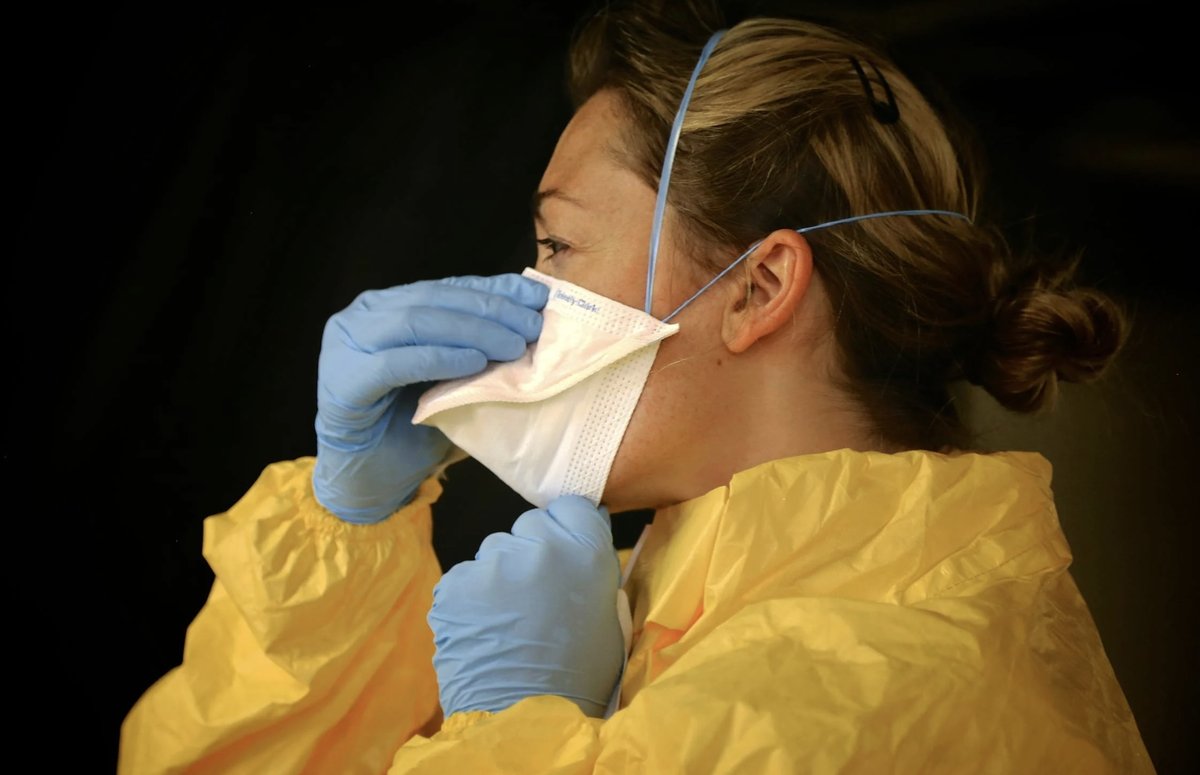
The core of this financial disaster centers on a contract to supply 25 million surgical gowns to the National Health Service during the pandemic's darkest days. These gowns, for which the government paid £122 million, were ultimately deemed unusable after the supplier failed to prove they were properly sterilized as required by contract specifications. The equipment has remained in government storage since 2020, a physical monument to what critics describe as procurement failure during a national emergency.
Access to this lucrative contract came through the government's controversial VIP lane system, a fast-track procurement process that prioritized suppliers with political connections during the pandemic. The total value of contracts awarded to the company reached £203 million, representing one of the larger deals struck during a period when normal procurement procedures were suspended in favor of speed. This arrangement has since become a focal point for investigations into pandemic-era government spending and the influence of political connections on public contracts.
The October court judgment that preceded the liquidation found clear evidence of contract breach, awarding the Department of Health and Social Care not only the original £122 million but also interest and legal costs totaling an additional £26 million. This ruling came after a lengthy legal battle in which government lawyers presented evidence that the gowns failed to meet basic sterility requirements essential for medical use. The court's decision represented a rare victory for taxpayers in pandemic procurement disputes, though the subsequent liquidation has effectively rendered that victory pyrrhic, with recovery of funds now appearing increasingly unlikely.
From Denial to Admission: The Unraveling of a Political and Business Partnership
For years, connections to the troubled PPE supplier were vehemently denied through legal representatives, despite investigative journalism revealing contrary evidence. The wall of denial finally crumbled in December 2023 when a televised interview brought stunning admissions: previous denials to media outlets had been false, and involvement in the company was confirmed. This reversal came only after sustained public pressure and mounting evidence made continued denials untenable.
The financial flows that emerged from court documents paint a picture of substantial profit extraction from government contracts. At least £65 million was paid out from company profits, with £29 million subsequently transferred to an offshore trust structure. The trust was reportedly established to benefit family members, including adult children from both sides of the partnership. These revelations sparked political outcry and led to a leave of absence from the House of Lords, where the individual at the center of the controversy had sat since being elevated to the peerage in 2015 by then-Prime Minister David Cameron.
The National Crime Agency has maintained a long-running fraud investigation with £75 million in assets frozen, though no criminal charges have been filed to date. Those under investigation maintain their innocence and deny any wrongdoing. The complexity of pursuing individuals behind a limited company structure presents significant legal challenges, as corporate protections shield personal wealth from company debts unless fraudulent or improper conduct can be proven. This legal reality has fueled frustration among those seeking accountability for what they view as pandemic profiteering at the expense of taxpayers and frontline healthcare workers.
Liquidation Proceedings Expose Minimal Assets Against Massive Claims
Thursday's court hearing laid bare the financial reality facing creditors hoping to recover their claims. Administrator filings revealed that the company had just one secured creditor—a private trust company registered in the Isle of Man—owed approximately £1 million. This secured debt takes priority over all other claims, leaving unsecured creditors, including the government and tax authorities, competing for scraps from an asset pool of roughly £600,000. The mathematics are brutal: £187 million in claims against less than £1 million in available assets after secured debts are satisfied.
Legal representatives for the administrators suggested there might be "potential legal claims against third parties" that could yield "substantial recoveries of funds" if successful, though no details were provided in court. Some commentators have speculated about possible claims against the original suppliers who provided the defective gowns, though legal experts express skepticism about such actions succeeding. The administrators' review of bank statements indicated that "a small number of entities" received the vast majority of funds from company accounts, but the destinations of these payments remain largely undisclosed in public filings.
The Department of Health and Social Care's legal team pushed hard for immediate liquidation rather than continued administration, arguing there was "no realistic alternative" given the company's insolvency. David Mohyuddin KC, representing the health department, told the court the company was "obviously and very significantly insolvent," making the liquidation order not just appropriate but necessary. The government's position reflects a strategic calculation that liquidation proceedings offer the best chance—however slim—of tracing and potentially recovering diverted funds, though the limited company structure creates formidable legal barriers to pursuing individuals who profited from the business.
Government Vows Continued Pursuit Despite Bleak Recovery Prospects
Health Secretary Wes Streeting struck a defiant tone following the liquidation ruling, declaring that authorities "will not rest" until taxpayer money is recovered from what he termed "rogue operators." His statement emphasized the moral dimension of the case, noting that the company "supplied defective PPE and unfairly profited" while "the whole country was making huge sacrifices, separated from family and loved ones" during the pandemic. This rhetoric reflects broader public anger about perceived pandemic profiteering and government procurement failures during the national crisis.
The newly appointed liquidators from the government's insolvency service will now investigate the cause of the company's failure and the conduct of its directors. This investigation represents the best remaining hope for taxpayers to see any meaningful recovery, as liquidators possess legal powers to examine financial transactions, question directors, and potentially pursue claims where evidence of wrongful trading or asset stripping emerges. However, legal experts caution that such investigations typically take years and rarely result in substantial recoveries when dealing with complex corporate structures and offshore arrangements.
Political pressure continues to mount from multiple directions, with both Chancellor Rachel Reeves and Conservative leader Kemi Badenoch publicly calling for the peer at the center of the scandal to permanently depart the House of Lords. The baroness lost the Conservative whip following revelations about the PPE contracts and has stated she has "no wish to return to the Lords as a Conservative peer," though she has not formally resigned her seat. She has characterized the court ruling as "an establishment win for the government in a case that was too big to lose" and claims authorities have a "vendetta" against her. As liquidation proceeds, the case stands as perhaps the most prominent example of pandemic procurement controversies that continue to generate political, legal, and public accountability debates nearly five years after COVID-19 first struck Britain.