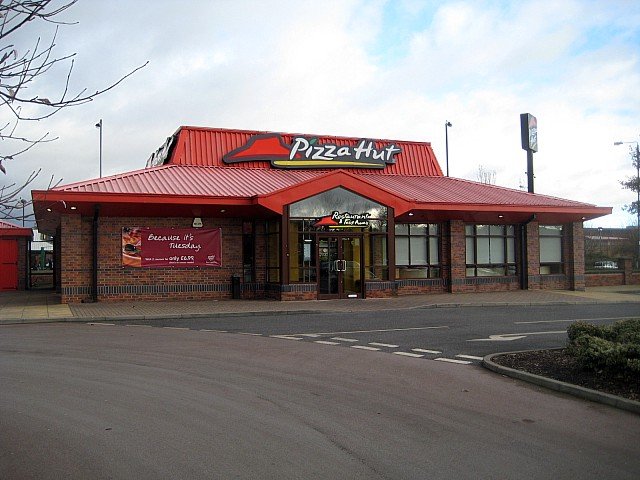
Private Equity and Yum China Split £2bn Pizza Hut Acquisition
Yum! Brands has announced the sale of its Pizza Hut chain in two separate transactions totalling approximately £2bn, marking the end of an era for one of the world's most recognisable restaurant brands under its ownership. Private equity firm LongRange Capital will acquire Pizza Hut operations outside mainland China for roughly £1.1bn, whilst Yum China Holdings will purchase the mainland China business for approximately £900m. The dual-transaction structure reflects the distinct operational challenges and opportunities in different geographic markets, with China representing a significant growth region despite the brand's struggles elsewhere.
Yum! Brands chief executive Chris Turner expressed confidence in the new ownership arrangements, stating that Pizza Hut would be "well positioned for future growth with ownership that brings deep expertise in the restaurant industry." The sale concludes a strategic review process that began in November 2025, following multiple quarters of declining same-store sales in the United States. Both transactions are expected to close in the third quarter of 2026, subject to standard regulatory approvals. The divestment allows Yum! Brands to concentrate its resources on its stronger-performing brands, including KFC and Taco Bell, which have demonstrated more resilient growth trajectories in recent years.
Dated Stores and Fierce Competition Drive Pizza Hut's Decline
Pizza Hut's performance has deteriorated significantly in recent years, plagued by outdated store formats and intensifying competition from rival chains. The American market, which accounts for 40% of Pizza Hut's total international sales, has proven particularly challenging as the brand struggles to maintain relevance amongst price-conscious consumers. Domino's, Papa John's, and Little Caesars have aggressively discounted their offerings during a period of persistent inflation, successfully capturing market share from Pizza Hut's traditional customer base.
Beyond the major national chains, nimble regional competitors have also eroded Pizza Hut's market position in what industry observers call the "pizza wars." These smaller fast-food operators have demonstrated greater agility in adapting to evolving consumer preferences and dining habits. The rapid proliferation of third-party delivery platforms has further complicated the competitive landscape, flooding the market with alternative options and diluting Pizza Hut's historic dominance in the casual dining segment. Neil Saunders, managing director of GlobalData, noted that Pizza Hut has "long been the weak link in Yum's portfolio," despite efforts to revitalise the brand and close underperforming locations.
The chain had already announced plans to shutter 250 US restaurants as part of its restructuring efforts, acknowledging that many locations no longer met contemporary consumer expectations. Despite various initiatives to modernise the brand experience, Pizza Hut has struggled to reverse its declining trajectory without the substantial investment and patience required for a comprehensive turnaround.
From Wichita Startup to Global Icon Under Multiple Owners
Pizza Hut's journey began in 1958 when two brothers founded the chain in Wichita, Kansas, establishing what would become one of the most iconic restaurant brands globally. The concept quickly gained traction, offering casual dining experiences centred around pizza at a time when such establishments were relatively uncommon across America. PepsiCo recognised the brand's potential and acquired Pizza Hut in 1977, integrating it into its growing portfolio of food and beverage businesses.
The chain remained under PepsiCo's ownership for two decades before the beverage giant spun off its entire restaurant division in 1997, creating Yum! Brands. This corporate restructuring allowed the newly formed entity to focus exclusively on restaurant operations, with Pizza Hut joining KFC and Taco Bell as flagship brands. Throughout its history under Yum! Brands' stewardship, Pizza Hut maintained significant global presence, though its performance increasingly lagged behind its sister brands in recent years.
UK Operations Face Parallel Challenges and Rescue Efforts
Pizza Hut's difficulties have not been confined to the United States, with the UK market experiencing its own turbulence in recent months. Yum! Brands acquired Pizza Hut's UK operations in October 2025 after DC London Pie, the firm operating the dine-in restaurants, collapsed into administration. The financial failure initially threatened 68 restaurants and placed more than 1,200 jobs at risk, highlighting the precarious state of the brand's British presence.
A rescue deal ultimately saved approximately 64 restaurants, preserving a substantial portion of the UK workforce and maintaining Pizza Hut's footprint across Britain. The UK situation exemplifies the broader challenges facing the brand in mature markets, where changing consumer preferences and competitive pressures have undermined traditional dine-in restaurant models. The administration and subsequent rescue underscored the urgent need for strategic intervention to stabilise Pizza Hut's operations across multiple territories.
Strategic Refocus Enables Yum! Brands to Concentrate on Core Performers
By divesting Pizza Hut, Yum! Brands can redirect its corporate focus and financial resources towards KFC and Taco Bell, both of which have demonstrated stronger sales performance and growth potential. The decision reflects a pragmatic assessment that revitalising Pizza Hut would require levels of investment and patience that management is unwilling to commit, particularly when capital could be deployed more effectively elsewhere in the portfolio. Neil Saunders of GlobalData observed that "pushing the division back into growth" had become increasingly unrealistic given Yum's strategic priorities.
The sale represents a significant corporate restructuring for Yum! Brands, based in Louisville, Kentucky, as it streamlines operations around its most successful concepts. LongRange Capital's acquisition brings private equity expertise and potentially greater flexibility to implement the comprehensive changes Pizza Hut requires without the constraints of public company quarterly reporting pressures. Meanwhile, Yum China's purchase of the mainland China operations acknowledges that market's distinct characteristics and growth trajectory, which differ markedly from Pizza Hut's challenges in Western markets.
Turner emphasised that Pizza Hut remains "one of the most iconic restaurant brands in the world" and that Yum! Brands is "proud of the important role it has played" in the company's history. The company's stock declined slightly following the announcement, suggesting investor uncertainty about the transaction's implications. However, the strategic logic of focusing on stronger-performing brands may ultimately prove beneficial for Yum! Brands' long-term competitiveness in the global quick-service restaurant sector.