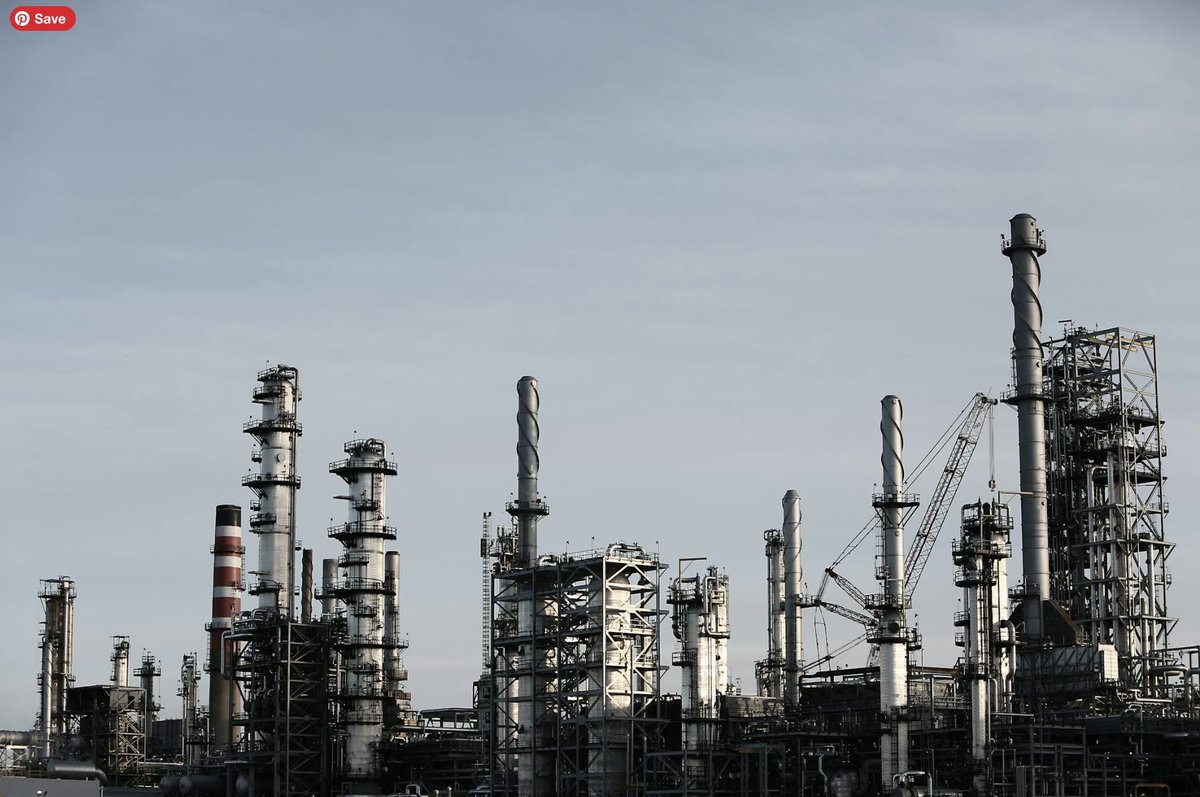
The UK energy sector witnessed a pivotal development this week as American energy giant Phillips 66 confirmed its acquisition of the financially troubled Lindsey Oil Refinery assets. This strategic move comes seven months after the facility's dramatic collapse into liquidation, marking another chapter in Britain's rapidly evolving refining landscape. With only four operational refineries remaining in the country, this transaction carries significant implications for national energy independence, regional employment, and the broader fuel supply chain across the United Kingdom.
The announcement follows an intensive government-supervised bidding process that began when the Official Receiver appointed liquidators in June after Prax Group's sudden financial collapse. Rather than restarting independent refining operations at the Lindsey site, Phillips 66 plans to integrate key facilities into its existing Humber Refinery operations, a decision that reflects the challenging economics facing mid-sized refineries in today's competitive global market. Industry observers note this consolidation strategy may become increasingly common as aging UK facilities struggle with rising operational costs and stringent environmental regulations.
The Lindsey refinery closure represented more than just corporate restructuring—it threatened to disrupt fuel supplies to millions of British consumers and businesses. Built in 1968 with capacity to process 113,000 barrels daily, the facility accounted for approximately 35% of British petrol consumption and 10% of diesel needs, underscoring its critical role in the nation's energy infrastructure. The site's unexpected liquidation in mid-2025 sent shockwaves through North Lincolnshire communities, where hundreds of families depended on refinery wages and thousands more worked in supporting industries. Phillips 66's intervention, while not preserving the refinery in its original form, offers a lifeline for the region's economic future.
From Crisis to Consolidation: The Lindsey Refinery's Troubled Journey
Understanding the current situation requires examining the turbulent events that led to this moment. The Lindsey facility's downward spiral began shortly after Prax Group acquired it from French energy company TotalEnergies in a deal that initially appeared promising. However, financial records revealed the refinery accumulated losses approaching €75 million between acquisition and early 2024, hemorrhaging cash as operational costs exceeded revenues in an increasingly competitive market. The Prax Group, founded by entrepreneurs Winston and Arani Soosaipillai, had built a reputation for ambitious expansion, but the Lindsey acquisition proved financially overwhelming.
The situation deteriorated rapidly through spring 2025, culminating in court-ordered liquidation proceedings on June 30. The Official Receiver was appointed to manage asset sales after winding-up orders were filed against multiple Prax entities including Lindsey Oil Refinery Limited, Prax Storage Lindsey Limited, and Prax Terminals Killingholme Limited. This legal action triggered immediate uncertainty for the 440 direct employees at the refinery and potentially thousands more across the supply chain. Government ministers expressed frustration that company leadership provided insufficient transparency about deteriorating finances, limiting officials' ability to intervene before crisis point.
The months following liquidation witnessed intense speculation about the facility's future. FTI Consulting, appointed as special managers, launched a comprehensive bidding process that attracted interest from international energy companies and private equity groups. Some bidders proposed novel approaches, including one investment consortium that suggested a public-private partnership model where the UK government would retain ownership while private capital funded operations. However, government officials maintained that commercial solutions should prevail, ultimately leading to Phillips 66's successful bid. Throughout this period, operations gradually wound down while administrators worked to preserve asset value and maintain site safety.
Phillips 66's Strategic Vision: Integration Over Independence
Phillips 66's decision to integrate rather than restart independent operations reveals important realities about modern refining economics. Company executives concluded that due to limitations in scale, facilities, and capabilities, the Lindsey refinery was not viable in its current form, a brutally honest assessment that reflects broader industry trends. Mid-sized refineries worldwide face mounting pressure from larger, more efficient competitors that benefit from economies of scale and advanced processing capabilities. Rather than attempting to overcome these structural disadvantages, Phillips 66 chose a pragmatic approach focused on maximizing value through integration.
The integration strategy centers on enhancing the company's Humber Refinery complex, located roughly 180 miles north of London on England's east coast. When combined with the Humber site, storage and infrastructure assets from Lindsey will enhance operations, improve fuel supply to UK customers, and drive future growth opportunities for both renewable and traditional fuels. This approach allows Phillips 66 to leverage Lindsey's strategic assets—particularly storage facilities and distribution infrastructure—without bearing the operational burden of running a separate refinery. The company already announced substantial capital commitments to upgrade Humber's gasoline production capabilities, positioning the expanded operation for long-term competitiveness.
Phillips 66's broader investment plans underscore its commitment to the UK energy market despite the refining sector's challenges. The company's December capital budget announcement included multi-year investments at Humber aimed at producing higher-quality gasoline, with total 2026 spending projected at $2.4 billion across all operations. Of this amount, approximately $1.1 billion targets midstream and refining activities, with $520 million specifically allocated to growth projects. These investments signal confidence that integrated operations can remain profitable despite the difficult conditions that doomed Lindsey's standalone operations. The acquisition also positions Phillips 66 to play a larger role in Britain's energy transition, as the company produces sustainable aviation fuel and petrochemical feedstocks at Humber.
Employment and Community Impact: Navigating Uncertain Transitions
The human dimension of this transaction cannot be overlooked, as hundreds of workers and their families face uncertain futures. While Phillips 66's announcement emphasized commitment to job creation and regional economic development, specific employment numbers remain unclear. A company spokesperson acknowledged that while Phillips 66 is purchasing Prax assets, "at this stage we cannot guarantee how many new roles will be created", reflecting genuine uncertainty about staffing needs for integrated operations. This ambiguity leaves former Lindsey employees in limbo, many of whom possess specialized skills not easily transferable to other industries.
Trade unions responded to the acquisition news with mixed reactions, welcoming potential job preservation while expressing concern about long-term prospects. Unite union general secretary Sharon Graham criticized plans to convert the site primarily to storage, stating that Phillips 66 should not be allowed to "mothball the site and turn it into a glorified storage tank". These concerns reflect broader anxieties about deindustrialization in manufacturing communities, where high-skilled, well-compensated refinery jobs represent economic anchors. Union representatives argue that government policy should prioritize maintaining domestic production capacity even when market forces favor consolidation or closure.
Local government officials have pressed for comprehensive support programs addressing the transition's regional impact. North Lincolnshire Council outlined specific requests including financial assistance for affected supply chain businesses, government-backed site remediation plans, and increased investment in low-carbon fuel production to diversify the local economy. Energy Minister Michael Shanks stated that the acquisition will expand Phillips 66's ability to supply UK customers, boosting energy security and securing jobs including hundreds of new construction positions during the integration process. Whether these projections materialize will significantly influence public perception of the deal's success and set precedents for handling future refinery restructuring.
UK Energy Security at a Crossroads: Refining Capacity and Import Dependence
The Lindsey situation exemplifies broader challenges confronting British energy policy as domestic refining capacity steadily contracts. Following Grangemouth's closure in early 2025, only four operational refineries now remain in the UK, down from six facilities at the start of the year. This represents a dramatic decline from historical peaks, when Britain maintained extensive domestic refining capabilities that largely met national fuel demand. The cumulative impact of multiple closures has fundamentally altered the country's energy supply chain, increasing reliance on imported refined products and raising questions about resilience during global disruptions.
Statistical analysis reveals the magnitude of this transformation. Refinery output in 2024 reached 48 million tonnes, representing 55% decline from the 1973 peak and approximately 14% below late 2010s levels. While petroleum demand has decreased due to vehicle efficiency improvements and electrification trends, the gap between domestic production and consumption continues widening. Britain now imports substantial volumes of gasoline, diesel, and jet fuel from continental Europe and further afield, creating vulnerabilities to supply disruptions, geopolitical tensions, and price volatility. Energy security experts increasingly question whether current policy adequately addresses these strategic risks.
The economic rationale driving refinery closures centers on competitiveness challenges that UK facilities struggle to overcome. Refineries face high energy and carbon costs that negatively impact competitiveness compared to global rivals who pay minimal carbon expenses, creating structural disadvantages that market forces alone cannot remedy. European refineries generally operate under similar constraints, but Britain's departure from the European Union eliminated certain regulatory harmonization benefits while maintaining environmental costs. Additionally, the UK's electricity grid charges impact refinery economics differently than gas-powered operations, adding complexity to operational planning. Without policy interventions addressing these cost disparities, further consolidation appears inevitable.
Future Implications: What This Deal Signals for UK Industrial Policy
Phillips 66's acquisition model may establish templates for addressing Britain's remaining refinery challenges, suggesting that selective integration trumps attempting to preserve all existing facilities. This pragmatic approach acknowledges that not every refinery can survive in current market conditions, focusing instead on optimizing assets with genuine competitive advantages. By strengthening the Humber Refinery through strategic asset integration while pursuing advanced gasoline production capabilities, Phillips 66 demonstrates how targeted investments can enhance rather than merely sustain operations. Government policymakers will likely study this outcome when evaluating support mechanisms for the sector.
The transaction also highlights tensions between immediate economic pressures and long-term strategic considerations in energy policy. While market-based solutions successfully resolved the Lindsey liquidation, questions persist about whether adequate safeguards exist to protect critical infrastructure. Some analysts argue for more interventionist approaches, such as strategic reserve requirements, production subsidies, or carbon border adjustments that level international playing fields. Critics note that closing UK refineries merely shifts production abroad to facilities with potentially higher emissions, exporting jobs while failing to reduce global carbon output. These debates will intensify as Britain balances climate commitments against industrial base preservation.
Looking forward, the UK refining sector faces fundamental restructuring regardless of specific policy choices. The four remaining major refineries will likely undergo significant transformation, potentially including partial conversion to biofuel production, hydrogen manufacturing, or other low-carbon activities aligned with net-zero objectives. Phillips 66's emphasis on developing sustainable aviation fuel and renewable feedstocks at Humber illustrates one possible evolution pathway. However, such transitions require substantial capital investment, supportive regulatory frameworks, and realistic timelines that acknowledge technical constraints. The Lindsey precedent demonstrates that without proactive planning, market forces may drive outcomes that compromise strategic objectives even when technically superior alternatives exist.