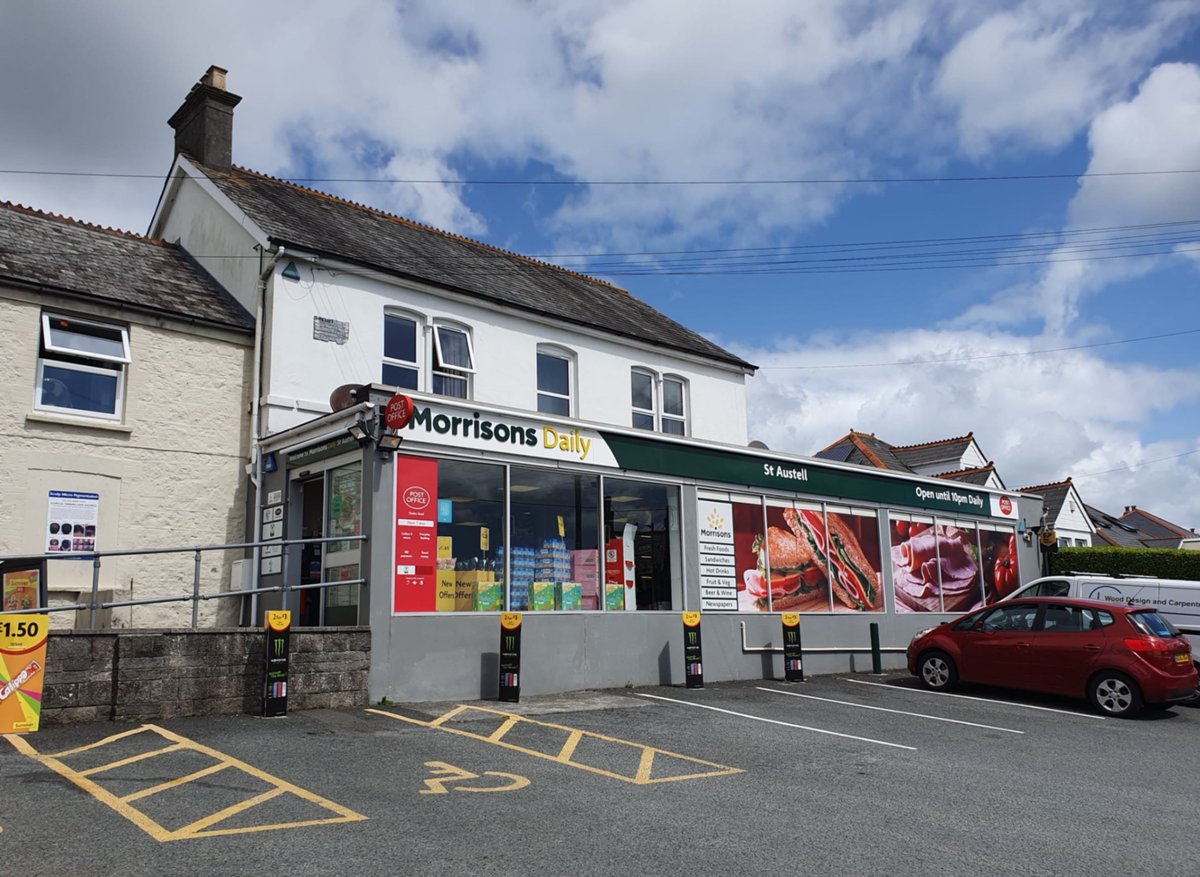
Morrisons plans to close around 100 convenience stores over the coming months as it reshapes the estate acquired through its rescue of McColl’s in 2022. Hundreds of jobs are expected to be affected, although the supermarket says it will try to redeploy staff elsewhere in the business where possible.
Most of the stores identified for closure were part of the McColl’s acquisition. According to Morrisons, many had remained loss-making for a prolonged period, with rising wage costs, higher National Insurance contributions and broader inflationary pressures making the economics increasingly difficult.
The announcement reflects the reality that acquiring a distressed retail chain often means inheriting years of operational weakness alongside the physical estate. Store networks can provide scale quickly, though profitability still depends on location quality, footfall, local competition and the condition of the underlying business.
## Why Convenience Retail Still Matters to Supermarkets
The original strategic rationale behind the McColl’s deal was clear. Convenience retail remains one of the more resilient segments of the grocery market, supported by changing shopping habits and demand for smaller, local stores that allow consumers to shop more frequently and more quickly.
For Morrisons, the acquisition provided immediate national reach in a sector where building store density organically would have taken years. Large supermarket groups have increasingly focused on convenience formats as consumer behaviour shifts away from large weekly supermarket trips toward smaller basket purchases closer to home.
That wider trend still exists today. Morrisons continues to invest in its convenience business through franchise partnerships and plans for additional openings. The current closures therefore appear less about withdrawing from the sector and more about narrowing focus onto locations capable of generating sustainable returns.
## Distressed Acquisitions Often Carry Hidden Structural Problems
Many of the former McColl’s stores were already under pressure before the acquisition took place. Some suffered from weak footfall, limited investment and operational challenges that had built up over a long period of time. Those underlying issues do not disappear when ownership changes hands.
Retail turnarounds are particularly difficult when margins are already thin. Convenience stores face relatively high operating costs compared with larger supermarkets, while also competing against discounters, online grocery services and rival local chains. Small differences in sales volumes can have a significant impact on profitability.
This is often where large acquisitions become more complicated than they first appear. Scale can strengthen buying power and logistics, though it does not automatically improve weaker locations. Some stores simply lack the local demand required to support the cost base attached to them.
## Rising Costs Continue to Pressure UK Grocery Retailers
The wider backdrop for UK supermarkets has also become more difficult over recent years. Wage inflation, higher energy bills, increased employer tax costs and continued price competition have all placed pressure on margins across the sector.
Consumers remain highly price-sensitive after several years of pressure on household finances. That creates a difficult balancing act for retailers, particularly in convenience formats where operating costs per square foot are often higher than in larger stores.
As a result, supermarket groups are becoming more selective about where they invest capital. Stronger locations continue to attract investment, while weaker stores increasingly face closure or restructuring. Morrisons’ decision reflects that wider trend across the retail market.
## Building a Smaller and More Profitable Convenience Estate
The decision to close these stores looks like an acknowledgement that not every inherited location can realistically be turned around. In retail, maintaining scale for its own sake can create additional operational drag when weaker stores continue to absorb management attention and capital.
Restructuring a store estate is rarely popular, particularly when jobs are affected, though it is often necessary when businesses are trying to improve long-term profitability. Morrisons appears to be focusing on creating a more sustainable convenience network built around stronger performing locations.
I have always liked Morrisons, particularly the strength of its fresh food offer, and I hope the business succeeds in building a smaller, stronger and more profitable convenience operation over the coming years.