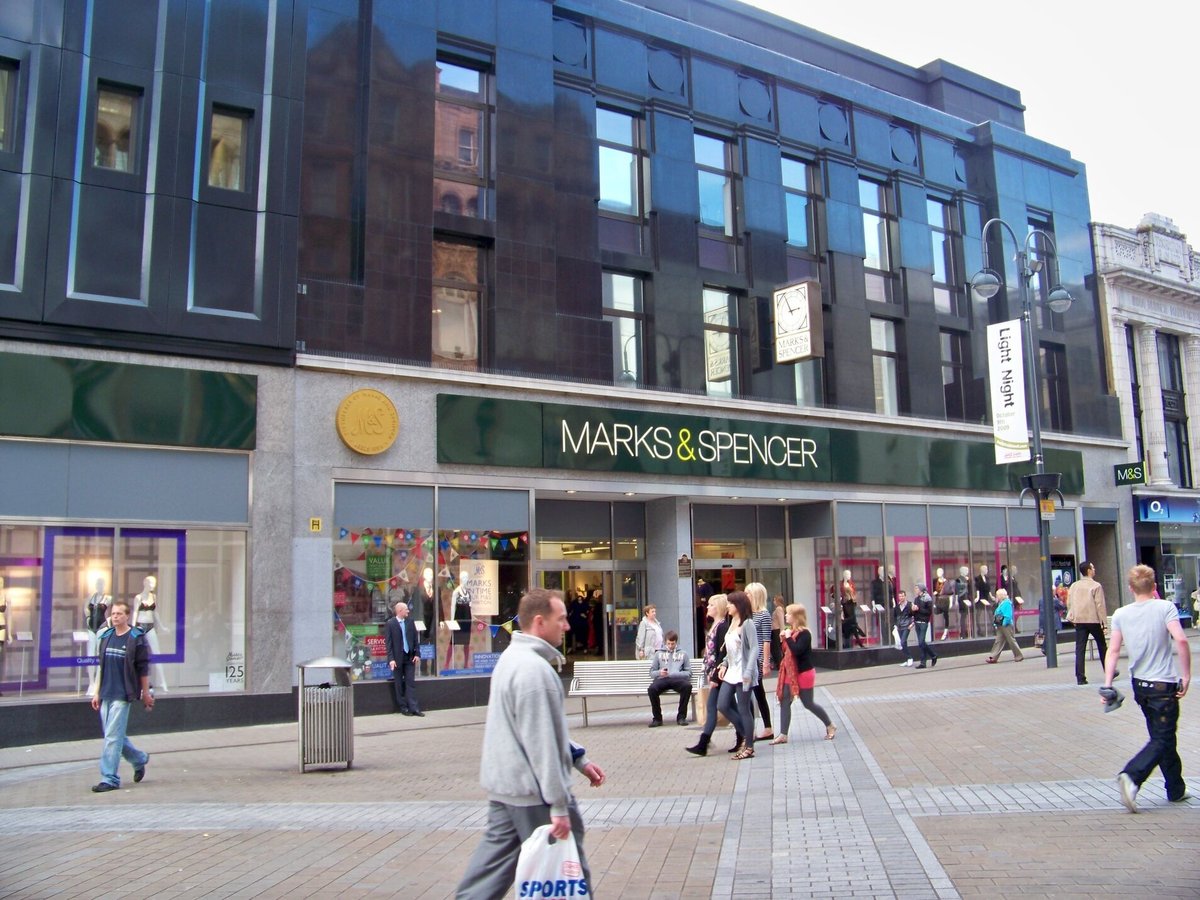
A New Phase in the Marks & Spencer Turnaround
Marks & Spencer has become one of the most closely watched business turnaround stories in UK retail. After several years of rebuilding performance, the company has entered a different stage of its recovery. The central question is no longer whether improvement is achievable. It is whether management can continue delivering consistent results as market conditions become more demanding.
Recent developments suggest the retailer remains committed to the long-term transformation programme that has reshaped the business over the past several years. Management attention is increasingly directed towards execution rather than major strategic change. Better inventory management, tighter buying disciplines, a simpler supply chain, continued investment in stores and stronger digital capability have become the priorities that will determine future performance.
This shift reflects a common pattern in successful corporate turnarounds. Early progress often comes from decisive strategic choices. Sustained success depends on operational consistency, careful capital allocation and the ability to improve thousands of everyday decisions across the organisation.
From Retail Decline to Sustainable Growth
The scale of the recovery became clear in the company’s 2025 financial results. Annual revenue had increased to approximately £13 billion, compared with around £10.1 billion five years earlier. Pre-tax profit reached £673 million, while the share price rose substantially during the early years of the turnaround, adding billions of pounds in market value.
These results followed a prolonged period in which the retailer struggled to adapt to structural changes across the retail sector. Consumer shopping habits increasingly shifted online, value retailers strengthened their competitive position and fast fashion businesses shortened product development cycles. At the same time, Marks & Spencer was managing an ageing store estate, complex internal processes, supply chain inefficiencies and digital capabilities that had fallen behind customer expectations.
The challenge facing management extended well beyond improving short-term financial performance. The business needed to modernise its operating model while preserving the qualities that had earned customer trust over many decades. Achieving that balance has become one of the defining features of the company’s recovery.
Leadership and Operational Excellence Drive Performance
One of the most interesting aspects of the turnaround is the absence of a dramatic change in corporate identity. Rather than attempting to reinvent the brand, leadership concentrated on improving the systems, processes and culture that support it. The guiding philosophy has been to preserve the strengths customers already valued while modernising the parts of the organisation that had become less effective.
Leadership has also remained highly visible throughout the transformation. Senior executives have maintained a regular presence in stores, encouraged direct communication with employees and created opportunities for staff to raise operational issues openly. These actions reinforce accountability and help management identify problems before they become embedded across the business.
Many corporate turnarounds succeed or fail through execution rather than strategy alone. Most leadership teams understand the broad changes required. The greater challenge lies in building an organisation that can make consistent improvements every day, respond quickly to operational issues and maintain momentum over several years.
Why Consistent Execution Matters More Than Constant Reinvention
Food continues to provide a stable foundation for the business, but clothing remains central to its long-term growth ambitions. Management has continued simplifying the brand portfolio, improving product consistency and strengthening design capability in an effort to rebuild customer confidence across the clothing division.
This approach reflects a broader lesson for businesses undergoing transformation. Sustainable improvement rarely depends on introducing a completely new strategy every few years. Strong performance is more often achieved by executing a clear strategy with discipline, measuring progress carefully and refining operations over time.
Marks & Spencer’s experience offers useful insights for leaders across many industries. Organisations facing competitive pressure often possess stronger foundations than financial results initially suggest. Clear leadership, operational discipline, investment in core capabilities and consistent execution can gradually restore confidence among customers, employees and investors. Those principles remain relevant long after the initial turnaround has been achieved.