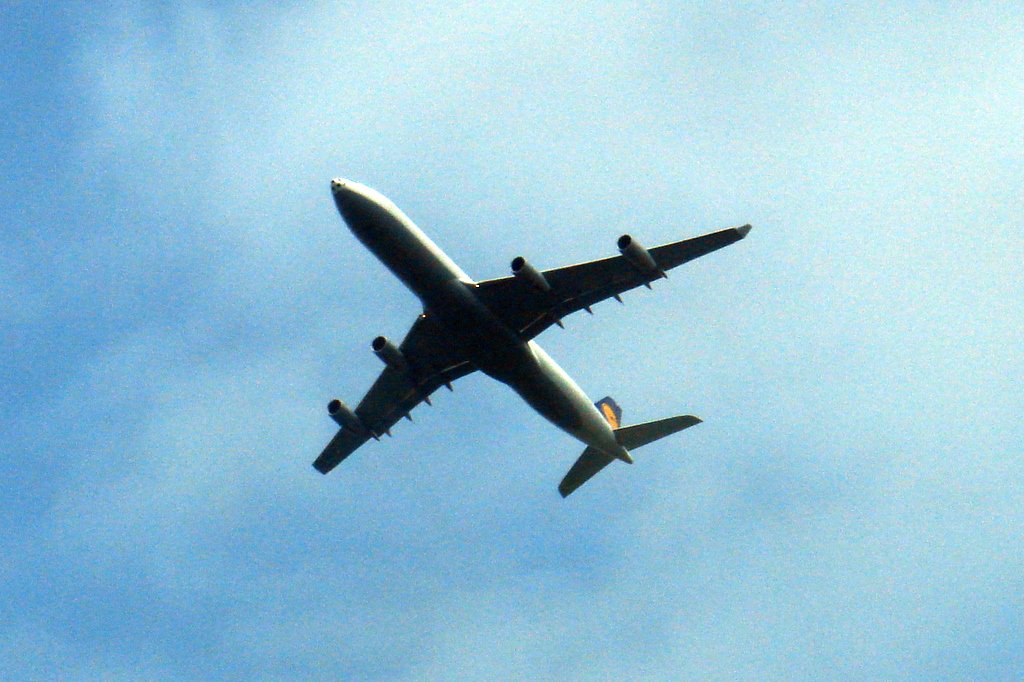
Kolkata-Based Charter Carrier Shuts Down After Nearly 20 Years
Dove Airlines Private Limited has officially entered voluntary liquidation, marking the end of nearly two decades of operations in India's charter aviation sector. The Kolkata-based carrier, which was incorporated in February 2006 and secured its non-scheduled operator's permit in June 2007, ceased all commercial flight operations in 2022 when it surrendered its final aircraft to creditors. The airline formally initiated liquidation proceedings on 5 January 2026 under the oversight of the Insolvency and Bankruptcy Board of India.
Mr Pranab Kumar Chakrabarty was appointed as liquidator to manage the distribution of remaining assets and settlement of outstanding liabilities. All creditors and stakeholders were required to submit proof of their claims by 4 February 2026, with financial creditors instructed to file electronically whilst other parties could submit documentation in person, by post, or through digital channels. The liquidator issued stern warnings that any false or misleading claims would attract strict legal penalties under Indian insolvency regulations.
At its operational peak, Dove Airlines operated as a non-scheduled charter carrier providing both passenger and cargo services using regional aircraft including the Dornier 228. The airline's fleet included a 2005-built, six-seat Cessna Citation Jet 2, registered VT-DOV, which served the company between 2007 and 2019 before being transferred to Pinnacle Air in 2022. Despite ambitious plans to participate in the government's UDAN scheme for regional connectivity, the carrier remained plagued by mounting financial stress, grounded aircraft, and protracted legal disputes with aircraft lessors.
Financial Troubles Mounted Over Years of Losses
The airline's financial difficulties stretched back nearly a decade before its ultimate collapse. In 2015, manufacturing conglomerate Usha-Martin divested its 50 per cent stake in Dove Airlines due to sustained financial losses that were impacting the parent company's balance sheet. This marked a critical turning point for the struggling charter operator, which had been operating as a joint venture since its inception.
Following Usha-Martin's exit, the airline spent years attempting to secure new investment and turn around its deteriorating financial position. The company remained embroiled in insolvency proceedings for several years whilst management pursued various funding options and restructuring strategies. Despite these efforts, the carrier reported modest revenue of just ₹23.9 lakh (approximately £2,100) for the 2024 fiscal year, highlighting the severity of its operational challenges.
The airline's inability to maintain its fleet proved to be the final blow to its operations. When Dove Airlines lost its last remaining Cessna Citation Jet to creditors in 2022, it effectively ended the carrier's ability to conduct any commercial flights. With no aircraft and no viable path to acquiring new ones, the company had little choice but to pursue formal liquidation proceedings after exhausting all other options for recovery.
India's Aviation Sector Faces Mounting Pressures
Dove Airlines' collapse comes against a backdrop of severe financial turbulence across India's entire aviation industry. Credit rating agency ICRA has projected that the domestic aviation sector will post net losses of ₹170-180 billion (approximately £1.5-1.6 billion) in the financial year 2026, representing a dramatic increase from earlier estimates. These widening losses are driven by weaker passenger demand, large-scale flight cancellations, elevated fuel costs, and a depreciating rupee that has inflated dollar-denominated expenses.
The agency has also revised downward its forecast for domestic air passenger traffic growth to just 0-3 per cent in FY2026, down from an earlier projection of 4-6 per cent. For the April-November period of FY2026, domestic passenger traffic rose by only 2.2 per cent year-on-year to 109.65 million passengers, well below historical growth rates. The sector faces particular vulnerability as 35-50 per cent of operating costs, including fuel, aircraft leases, and maintenance, are denominated in US dollars, making airlines highly exposed to currency fluctuations.
India's charter aviation segment has been especially hard hit by these industry-wide challenges. The number of business aircraft operators has fallen to just 99, marking the lowest point for the charter industry in years. Rising pilot salaries, increased maintenance costs, and operational restrictions at major airports have all contributed to squeezing already tight profit margins for non-scheduled operators like Dove Airlines.
Global Wave of Airline Failures Continues
Dove Airlines joins a growing list of carriers worldwide that have collapsed into administration or liquidation since the start of 2026. Latvian wet-lease operator Smartlynx Airlines ceased all commercial operations on 24 November 2025 after accumulating debts exceeding €238 million (approximately £206 million) to 781 creditors. The airline, which had built a strong reputation providing wet-lease services to major European carriers including easyJet, was sold to a Dutch distressed-asset fund just days before filing for creditor protection proceedings.
Analysis of Smartlynx's creditor list revealed that approximately €174 million of the total debt was owed to other entities within the Avia Solutions Group structure, raising questions about the company's financial management and ownership arrangements. External creditors included major aviation industry players such as Lufthansa Technik, which was owed nearly €5 million, whilst unpaid tax debts to Latvian authorities totalled approximately €500,000.
Scotland's EcoJet Airlines also entered liquidation in February 2026 after Edinburgh Sheriff Court appointed provisional liquidators from Opus Restructuring. The zero-emission airline start-up, backed by green energy entrepreneur Dale Vince, never carried paying passengers despite ambitious plans to operate routes between Edinburgh and Southampton using converted turbo-prop aircraft. Vince paused his investment after the company struggled to raise the £10 million required by the UK Civil Aviation Authority, with the entrepreneur stating that "aviation is the last frontier and the hardest" for decarbonisation efforts.
Charter Aviation Sector Faces Uncertain Future
The collapse of Dove Airlines highlights the particular vulnerabilities facing charter and non-scheduled operators in today's challenging aviation environment. Unlike scheduled carriers with diversified route networks and regular passenger flows, charter operators typically operate on tighter margins with less financial flexibility to weather extended periods of economic turbulence. The company's inability to secure new investment despite years of effort demonstrates the difficulty smaller aviation businesses face in attracting capital.
The voluntary liquidation process suggests that Dove Airlines' directors determined the entity remained solvent enough to pay its remaining debts through an orderly asset sale rather than forced bankruptcy proceedings. This approach allows for a more controlled wind-down of operations whilst ensuring that creditors receive maximum possible recovery on their claims. However, with the airline having surrendered its aircraft years ago and reporting minimal revenue, the asset base available for distribution to creditors is likely to be extremely limited.
As the February deadline for creditor claims passed, the once-hopeful regional player prepared for its final landing, closing what Insolvency Tracker described as "a thirty-year legacy of Indian private aviation." The airline's demise serves as a cautionary tale for the charter aviation sector, illustrating how quickly financial difficulties can escalate when operators lose access to critical assets like aircraft and are unable to secure the funding needed for recovery.