The Underdog Deal That's Shaking Up Britain's Snack Industry
In a stunning reversal that reads like a business school case study, vegan sweets brand Candy Kittens is acquiring Graze, the once-promising healthy snack company, from consumer goods giant Unilever. The deal, brokered through Candy Kittens' parent company Katjes International, represents more than just another corporate transaction—it's a David-versus-Goliath moment that signals a seismic shift in how challenger brands are reshaping the UK's competitive snack market. Founded by reality TV star Jamie Laing and business partner Edward Williams in 2012, Candy Kittens had initially dreamed of being acquired by a powerhouse like Unilever. Today, they're the ones writing the cheques.
The acquisition is expected to close in the first half of 2026 for an undisclosed sum, though industry insiders note it will likely be substantially less than the reported £100 million Unilever paid for Graze in 2019. For Unilever, this marks another step in CEO Fernando Fernandez's aggressive portfolio restructuring strategy, which prioritizes personal care and beauty products while shedding underperforming food brands. The consumer goods titan has already offloaded The Vegetarian Butcher this year and plans to spin off its entire ice cream division, including household names like Ben & Jerry's and Magnum, as part of its comprehensive overhaul.
What makes this deal particularly noteworthy is the message it sends about the evolving dynamics of the packaged goods industry. Candy Kittens, a certified B-Corp specializing in cat-shaped vegan sweets, generated £14.8 million in revenue last year—a fraction of Unilever's massive scale. Yet their nimble approach to market trends, direct consumer engagement through social media, and authentic brand positioning have positioned them as the ideal steward for Graze's future. As Laing triumphantly declared on social media, "the tables have turned," encapsulating a moment when agility and purpose are proving more valuable than sheer corporate might.
Why Unilever's Loss Could Be Graze's Greatest Gain
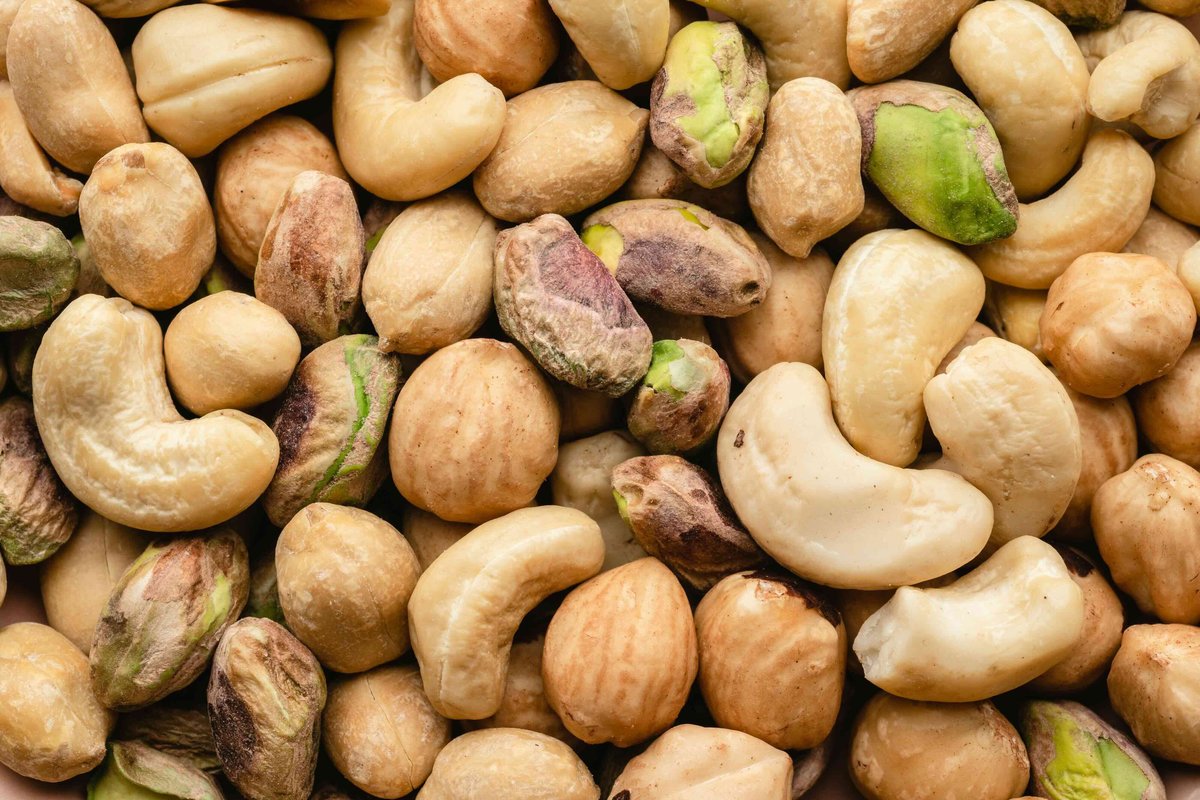
Graze's journey from pioneering internet-based snack subscription service to Unilever castoff reveals the challenges massive corporations face in nurturing innovative brands. Founded in 2005, Graze revolutionized healthy snacking in the UK by delivering curated boxes of nuts and wholesome treats directly to consumers' doors. The brand successfully captured the direct-to-consumer zeitgeist before pivoting to retail distribution through supermarkets and major chains. When Unilever acquired Graze in 2019, it seemed like a strategic masterstroke—a way for the corporate giant to expand its footprint in the booming DTC market while capitalizing on growing consumer demand for healthier snack options.
However, the acquisition never lived up to its promise. Sales declined steadily under Unilever's stewardship, transforming what should have been a growth engine into what retail analyst Jonathan De Mello describes as "a bit of a money sink." The core issue wasn't necessarily Graze's product offering but rather a fundamental mismatch between the brand's entrepreneurial DNA and Unilever's corporate structure. The DTC market that Unilever hoped to dominate has contracted significantly, with consumers returning to traditional supermarket purchasing patterns. Meanwhile, Graze struggled to maintain the innovative, nimble identity that made it special in the first place, becoming somewhat diluted within Unilever's massive portfolio of brands.
Enter Candy Kittens with a compelling value proposition: the hands-on, purpose-driven approach that Graze desperately needs. With their expertise in building consumer goods brands from the ground up and their proven track record of securing major retail partnerships with Tesco, Sainsbury's, Morrisons, and Waitrose, Laing and Williams bring exactly what Graze requires to recapture its former momentum. Their commitment to being the first sweets brand to achieve B-Corp certification demonstrates a values-aligned approach that resonates with today's conscious consumers. As Laing noted, Graze "changed the way the UK thinks about healthier snacking," making it a perfect complement to Candy Kittens' mission-driven growth strategy.
Building the Anti-Unilever: A New Model for Brand Aggregation
Laing and Williams aren't simply acquiring Graze—they're executing on a bold vision to become what they call "the Unilever of small challenger brands." This ambition represents a fascinating inversion of the traditional consolidation model that has dominated the packaged goods industry for decades. Rather than independent brands being absorbed into faceless conglomerates where their identity becomes sanitized and their innovative edge dulled, Candy Kittens Group aims to provide a home where challenger brands can thrive while maintaining their authentic character. It's a model that acknowledges both the financial realities of scaling consumer brands and the cultural pitfalls of traditional acquisitions.
The timing of this strategy is particularly astute given current market dynamics. Insurgent brands have been driving disproportionate growth across food and beverage categories, with research showing that 120 challenger brands generated over 27 percent of growth in the US food market despite controlling less than one percent of market share. Companies like PepsiCo, which paid £1.95 billion for prebiotic soda brand Poppi less than a decade after its launch, recognize that these scrappy upstarts possess something invaluable: authentic connections with committed consumer segments. The challenge has always been maintaining that magic after acquisition, as exemplified by Ben & Jerry's co-founder Jerry Greenfield's departure from his own brand earlier this year over concerns that Unilever was silencing its social activism.
Candy Kittens' approach offers a potential solution to this integration dilemma. By building a portfolio specifically designed to nurture rather than absorb challenger brands, they're betting that shared values and entrepreneurial culture can coexist with the operational efficiencies of scale. Their focus on purpose-driven brands that put "people and the planet first" provides a unifying philosophy without imposing rigid corporate structures. As Williams acknowledges, watching challenger brands get "snapped up by big companies" and lose their edge has been a persistent concern—one they're determined to avoid by creating an alternative ecosystem where innovation and authenticity remain paramount.
The Reality Star Turned Business Mogul Breaking Industry Norms
Jamie Laing's journey from reality television personality to serious business player adds a compelling human dimension to this corporate narrative. Best known for his appearances on BBC programs, Made in Chelsea, and Strictly Come Dancing, Laing brings celebrity wattage that most consumer goods executives lack. Yet dismissing him as merely a famous face would be a serious miscalculation. As the great-great-grandson of Alexander Grant, inventor of the McVitie's digestive biscuit, Laing has entrepreneurship literally in his DNA. He's leveraged his media platform strategically, using social media channels and pop-up events to build brand awareness in ways traditional consumer goods companies struggle to replicate.
Laing's partnership with Edward Williams has proven to be the crucial combination of showmanship and business acumen. While Laing provides the public-facing charisma and marketing instincts honed through years in the entertainment industry, Williams brings operational expertise and strategic thinking. Together, they've demonstrated an intuitive understanding of modern consumer behavior, particularly among younger demographics who value authenticity, sustainability, and purpose over traditional brand loyalty. Their decision to focus heavily on supermarket distribution after years of experimentation paid off spectacularly, with Candy Kittens securing prominent shelf space at premium retailers like Selfridges alongside mass-market giants.
The Graze acquisition represents Laing's ultimate validation as a serious business figure. His online celebration of the deal—noting that when they started, being acquired by Unilever was the dream, but now "we're the ones buying a business from them"—captures both his showman's flair and genuine business achievement. It's a milestone that transforms the narrative from "celebrity dabbling in business" to "legitimate entrepreneur building a portfolio company." For Laing, who has also demonstrated philanthropic commitment through efforts like completing a five-day ultra-marathon for Comic Relief, business success and social impact aren't separate pursuits but integrated elements of a modern entrepreneurial identity that resonates powerfully with contemporary consumers.
Navigating Economic Headwinds With Entrepreneurial Grit
Despite the excitement surrounding the Graze acquisition, Candy Kittens faces significant macroeconomic challenges that could complicate their expansion plans. The UK economy is projected to slow to just one percent growth in 2026, driven by a softening labor market and subdued consumer confidence that's already dampening household spending. Recent tax measures introduced in the government's latest Budget have added another layer of uncertainty, with businesses across sectors expressing concern about the impact on operational costs and consumer purchasing power. For a company planning aggressive growth in the notoriously competitive and margin-sensitive snack category, these headwinds represent real obstacles.
However, Williams and Laing appear undeterred by the challenging economic landscape, maintaining what Williams calls keeping "our heads completely straight on the prize." Their philosophy centers on controlling what they can influence rather than fixating on external constraints beyond their power. Williams emphasizes that "we've got to run our own race," acknowledging that while economic conditions and policy decisions may create difficulties, successful entrepreneurs find ways to execute regardless. This mindset reflects hard-won lessons from building Candy Kittens from scratch during a period that included Brexit uncertainty, the pandemic, and multiple economic disruptions.
The founders' resilience stems partly from their origin story—starting with zero industry experience and building credibility through persistence rather than pedigree. As Laing reflects, "when we started we had no idea what we were doing, we were just trying to build a pipe dream." That underdog mentality now serves them well as they scale up operations and integrate a new brand during uncertain times. Their advice to young entrepreneurs facing skepticism—"when someone tells you no, just keep going"—isn't merely motivational rhetoric but the operational philosophy that's guided their journey from aspirational startup to acquirer of established brands. Whether that scrappy determination can overcome macroeconomic forces remains to be seen, but Candy Kittens enters this new chapter with the confidence of founders who've already defied conventional wisdom.