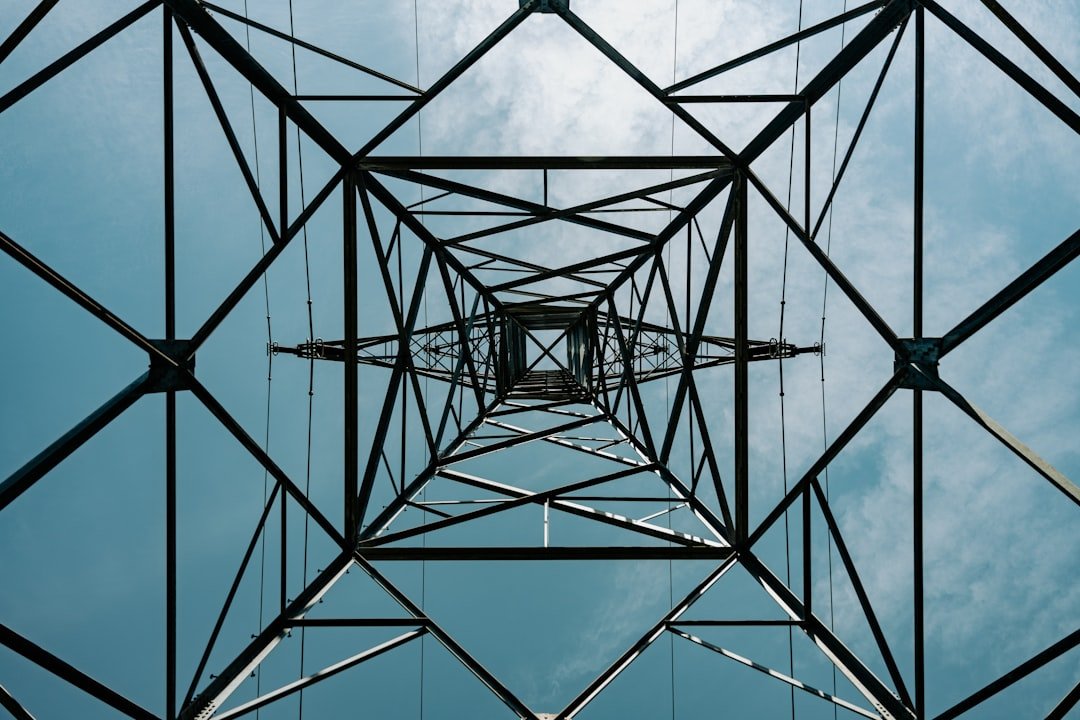
Engie Secures Britain's Largest Electricity Distribution Network
French utility giant Engie has finalised a landmark agreement to acquire UK Power Networks (UKPN) for an equity value of £10.5 billion, marking one of the most significant energy infrastructure deals in recent UK history. The transaction, which values the entire enterprise at £15.8 billion including debt, will see Engie take control of the electricity distribution network serving 8.5 million customers across London, the South East and East of England. The acquisition represents approximately 1.5 times UKPN's estimated Regulated Asset Value (RAV) as of March 2026 and an estimated 2027 EBITDA multiple of around 10 times.
UK Power Networks operates nearly 192,000 kilometres of electricity cables and power lines, delivering approximately 71 terawatt-hours of electricity annually. The network, much of it underground, has consistently ranked as the top-performing distribution network operator in Britain for both performance metrics and customer satisfaction. This acquisition will make the United Kingdom Engie's second-largest market globally, cementing the French company's position as a major player in regulated electricity infrastructure.
The seller, Hong Kong-based CK Infrastructure Holdings, is part of billionaire Li Ka-shing's business empire, which originally purchased UKPN from EDF for £5.5 billion in 2010. After 15 years of ownership, the CK Group entities—including Power Assets Holdings (40% stake), CK Infrastructure Holdings (40%), and CK Asset Holdings (20%)—expect to realise substantial gains from the disposal, with CK Infrastructure alone anticipating a gain of HK$14.5 billion.
Strategic Pivot Towards Regulated Energy Transition Assets
Engie's acquisition of UK Power Networks represents a decisive strategic shift towards stable, regulated electricity infrastructure assets that sit at the heart of the global energy transition. Catherine MacGregor, Engie's Chief Executive, described the deal as "a decisive step in strengthening Engie's position as the best energy transition utility," emphasising that regulated electricity network infrastructures are "essential for energy security, demand electrification and greater system flexibility." The acquisition aligns with Engie's ambition to become a key player in regulated network infrastructure, moving away from more volatile energy generation assets towards predictable, long-term revenue streams.
The timing of this acquisition is particularly strategic, as Britain's electricity distribution networks are approximately halfway through a programme to invest over £22 billion in upgrading and expanding their networks by 2028. 4 These investments, funded through consumer energy bills, are considered crucial for connecting new low-carbon generation, battery storage and electric vehicle charging infrastructure necessary to meet the UK's net zero targets. MacGregor noted that the deal would "enhance the Group's growth trajectory and reduce our risk profile, providing more visibility on future earnings while reinforcing Engie's presence in a key country with a stable regulatory framework and clear decarbonisation targets."
Following the announcement, Engie raised its 2026 recurring net profit guidance to between €4.6 billion and €5.2 billion, up from previous expectations of €4.2 billion to €4.8 billion, reflecting the anticipated contribution from UK Power Networks.
Complex Financing Structure Protects Investment Grade Rating
Engie has structured the £10.5 billion acquisition through a sophisticated financing package designed to protect its investment-grade credit rating whilst funding one of Europe's largest energy infrastructure deals. The financing mix includes approximately €5 billion (£4.3 billion) in debt and hybrid issuance, a €4 billion (£3.4 billion) disposal programme to be completed by 2028, and up to €3 billion (£2.6 billion) raised through an accelerated bookbuilding equity offering. This multi-pronged approach demonstrates Engie's commitment to maintaining financial flexibility whilst pursuing aggressive growth in regulated networks.
The disposal programme will see Engie divest non-core assets over the next two years to help fund the acquisition, though the company has retained significant flexibility in its capital expenditure plans. Engie has stated that post-acquisition, it will maintain the ability to roll out organic growth plans, particularly in renewables and networks, whilst delivering solid returns to shareholders without requiring further equity support in coming years.
Critical Infrastructure Investment Amid Energy Transition Demands
UK Power Networks' acquisition comes at a pivotal moment for Britain's electricity infrastructure, which faces unprecedented investment requirements to support decarbonisation goals. Britain's electricity distribution network operators are implementing a transformation programme requiring between £37-50 billion of investment through to 2050—representing at least a doubling of current annual investment rates, with the steepest acceleration needed in the next five to ten years. This investment is essential to accommodate the expected doubling of electricity demand by 2050 as transport and heating sectors electrify.
Basil Scarsella, Chief Executive of UK Power Networks, welcomed the transaction, stating: "By joining Engie, we continue to be part of a global energy leader with the financial strength, industrial capabilities and long-term vision to support our next phase of development." He emphasised that the deal would reinforce UKPN's ability to maintain the highest standards of safety, customer service and reliability as investment ramps up to support growth and electrification. The acquisition provides UKPN with deep balance-sheet backing precisely when heavy capital expenditure is required to upgrade ageing infrastructure and expand capacity for renewable energy connections, battery storage and electric vehicle charging points.
The UK government has set legally binding targets to reach net zero emissions by 2050 and fully decarbonise the electricity sector by 2035, subject to security of supply. These ambitious goals require the electricity network to be transformed at unprecedented scale and pace, making regulated network operators like UKPN critical enablers of the energy transition. The stable regulatory framework in Britain, overseen by Ofgem, provides predictable returns on infrastructure investment, making UK networks attractive assets for long-term infrastructure investors like Engie.
Regulatory Approval and Transaction Timeline
The transaction is expected to complete in mid-2026, subject to regulatory approvals and shareholder consent from the selling entities. The deal requires approval from shareholders of all three Hong Kong-listed selling companies—Power Assets Holdings, CK Infrastructure Holdings and CK Asset Holdings—as well as from CK Infrastructure's parent company, CK Hutchison. Regulatory clearance will likely involve scrutiny from UK competition authorities and potentially the energy regulator Ofgem, though the acquisition of network infrastructure by established utility operators has precedent in the UK market.
This deal follows Spain's Iberdrola successfully acquiring an 88% stake in Electricity North West (ENW) through its UK subsidiary Scottish Power in a transaction that valued that network at £5 billion. ENW, which serves almost 5 million people in north-west England, was subsequently rebranded as SP Electricity North West, demonstrating the ongoing consolidation trend in Britain's electricity distribution sector. The UK's competition watchdog cleared that transaction almost a year ago, suggesting a relatively favourable regulatory environment for foreign utility investment in British network infrastructure, provided operators can demonstrate financial strength and commitment to service standards.
Read more
• Engie Official Press Release
• Morningstar - CK Hutchison Sale Details
• Morningstar - Engie Guidance Update
• Ofgem Investment Announcement
• UK Government Electricity Networks Strategic Framework
• National Infrastructure Commission Report