Iconic British Beer Brands Under Threat as Keystone Files Notice of Administration
The British brewing industry is facing another devastating blow as Keystone Brewing Group, the powerhouse behind beloved beer brands including Black Sheep, Hofmeister, and Fourpure, has filed a notice of intention to appoint administrators. This critical move, which involves bringing in restructuring specialists FRP Advisory, signals that the company is racing against time to secure either a comprehensive reorganization or an emergency sale. The development has sent shockwaves through the hospitality sector, raising urgent questions about the future of some of Britain's most recognizable beer brands and the livelihoods of approximately 190 employees working across the group's nationwide brewery operations.
Industry insiders reveal that Keystone's financial distress stems from a toxic combination of mounting operational costs and rapidly deteriorating consumer confidence. The timing couldn't be more precarious, coming in the immediate aftermath of the government's recent budget announcement and during what should be the crucial Christmas trading period for brewers and publicans. What makes this situation particularly alarming is the speed at which the crisis has escalated—sources indicate that sales have plummeted dramatically in recent weeks as both trade customers and everyday consumers have pulled back on spending amid economic uncertainty and persistent speculation about tax increases.
The administration filing represents a last-ditch effort to stave off complete collapse, providing Keystone with a brief window to explore rescue options while protecting the company from aggressive creditor action. Trade creditors have reportedly been applying significant pressure on the business, forcing management to act decisively. For the British pub sector, already reeling from unprecedented challenges including soaring energy costs and the employer National Insurance hike, the potential loss of these established beer brands would represent yet another hammer blow to an industry struggling to survive in an increasingly hostile economic environment.
From Rescue to Crisis: The Troubled Journey of Black Sheep Brewery
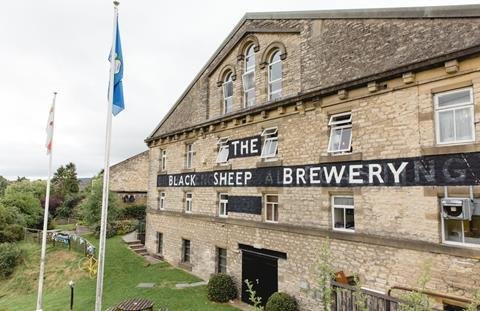
Black Sheep Brewery's current predicament is particularly poignant given its storied heritage and recent brush with administration. Founded in 1992 by a member of the legendary Theakston brewing dynasty, Black Sheep quickly established itself as a cornerstone of Yorkshire's brewing tradition and became a fixture in pubs across the United Kingdom. The brand's distinctive identity and quality reputation helped it build a loyal following over three decades, making it one of the most recognizable names in British craft brewing. However, this heritage hasn't been enough to shield it from the brutal economic realities facing the brewing sector in today's challenging market.
The brewery's troubles aren't entirely new—Black Sheep previously entered administration in 2023, only to be rescued by investment firm Breal Group, which subsequently rebranded itself as Keystone Brewing Group. That rescue was heralded as a fresh start, with ambitious plans for substantial capital investment to expand production capacity at the historic Masham brewing site in North Yorkshire. The strategy involved aggressive expansion through acquisitions, with Keystone snapping up smaller operations including North Brewing Co and the assets of Fourpure Brewing Company in an attempt to build a diversified portfolio that could weather market volatility and achieve economies of scale.
Despite these growth ambitions and the injection of investment capital, Keystone has proven unable to withstand the current economic squeeze gripping the hospitality sector. The company's expansion strategy, which appeared promising on paper, has collided headlong with a perfect storm of rising ingredient costs, spiraling energy bills, weakening consumer demand, and increasing labor expenses. Industry analysts have noted that distressed craft brewers have become increasingly unattractive to potential buyers, with few investors willing to gamble on turnaround prospects in a sector facing such profound structural headwinds. The failure of this rescue-and-expansion model raises serious questions about the viability of similar strategies across the brewing industry.
Hofmeister Activates Emergency Plans Amid Partner's Financial Collapse
While Keystone battles for survival, Hofmeister Brewing Company has moved swiftly to reassure customers and protect its market position despite its distribution partnership with the struggling group. The well-known Bavarian-style lager brand, which Keystone handles through an exclusive sales and distribution agreement signed in March, immediately activated contingency plans upon learning of its partner's administration filing. CEO Spencer Chambers issued a decisive statement emphasizing that the brand has sufficient finished stock securely held at its production facility, completely ring-fenced from Keystone's restructuring process and ready for immediate deployment to trade customers throughout the critical Christmas period.
Hofmeister's proactive response highlights the complex web of relationships in modern brewing, where brand ownership and distribution arrangements often involve multiple parties. Unlike some of Keystone's wholly-owned brands, Hofmeister operates independently and maintains control over its production and inventory, giving it crucial flexibility during this crisis. The company has emphasized its robust financial health, pointing to a recently completed fundraising round that valued the business at £17.5 million and highlighting impressive year-on-year growth exceeding 30% despite challenging market conditions. This strong financial position has allowed Hofmeister to take a strategic view of the situation rather than simply scrambling for survival.
Rather than viewing Keystone's collapse as purely catastrophic, Hofmeister is positioning the disruption as a potential catalyst for opportunity. The brand is actively engaging with all relevant parties involved in the administration process while simultaneously exploring strategic options to strengthen its route-to-market capabilities and potentially expand its market share. This opportunistic approach demonstrates how different players in the brewing ecosystem face vastly different prospects even when caught up in the same crisis—while Keystone's owned brands face an uncertain future, partner brands with independent resources may actually emerge stronger by securing better distribution arrangements or acquiring distressed assets at favorable prices.
Britain's Pub Crisis Deepens: Soaring Costs and Vanishing Customers Drive Closures
Keystone's collapse is just the latest casualty in a British pub and brewing industry facing existential threats from multiple directions. Government statistics paint a grim picture, with eight pubs shutting their doors permanently every week during the first half of 2025, totaling 209 closures in just six months and bringing the five-year closure count to a staggering 2,283 establishments. The relentless pace of closures reflects an industry under siege from rising costs, changing consumer habits, and regulatory pressures that have fundamentally altered the economics of running a pub or brewery in modern Britain.
The financial pressures on hospitality businesses have reached critical levels, with the average pint price breaking through the £5 barrier for the first time in 2025. This milestone reflects the squeeze on both publicans and brewers, who face soaring costs for everything from energy and ingredients to labor and rent. The recent employer National Insurance increase has added an estimated £130 million in additional costs for major pub operators like Mitchells & Butlers, forcing businesses to make impossible choices between raising prices, cutting staff, reducing quality, or accepting diminished profit margins. Industry campaigners note that pubs are desperately attempting to serve reasonably priced pints while earning barely any profit, creating an unsustainable business model.
Consumer behavior has shifted dramatically in response to these price increases, with fewer people able to afford regular visits to their local pub for social drinking. This demand destruction has forced some operators to experiment with controversial pricing strategies, including dynamic pricing models that charge premium rates during peak hours or major sporting events. Chains including Stonegate and Greene King have implemented surge pricing during busy periods, while Mitchells & Butlers introduced surcharges at certain venues after 10pm. These tactics, while helping to claw back some revenue during profitable hours, risk alienating customers and accelerating the shift toward cheaper at-home drinking. The combination of vanishing footfall and escalating costs has created a vicious cycle that threatens the long-term viability of Britain's traditional pub culture.
Last Orders? What Keystone's Collapse Means for British Brewing's Future
The potential failure of Keystone Brewing Group carries implications that extend far beyond the immediate fate of 190 employees and a handful of beer brands. The collapse would represent a significant test case for the British brewing industry's consolidation strategy, which has relied on investment firms rescuing distressed craft brewers and building portfolios of heritage brands. If Keystone cannot find a viable path forward despite backing from Breal Group and a portfolio of well-established brands, it raises fundamental questions about whether the mid-market brewing sector can survive in its current form or whether the industry will increasingly polarize between global mega-brewers and tiny independent microbreweries.
The timing of this crisis is particularly significant given the government's recent budget and ongoing debates about alcohol duty policy. The brewing industry has warned repeatedly that the tax burden on beer, combined with rising business rates and labor costs, is making British brewing internationally uncompetitive and driving consolidation and closures. Keystone's troubles appear to vindicate these warnings, demonstrating how even established brands with decades of heritage can quickly become financially unviable when margins compress and consumer confidence evaporates. The uncertainty surrounding tax policy in recent months reportedly contributed directly to Keystone's sales collapse as trade customers reduced orders and consumers cut discretionary spending.
Looking ahead, the restructuring or liquidation of Keystone will likely reshape the British beer market in ways both subtle and profound. If a buyer emerges for the entire group or individual brands, it may trigger further consolidation as larger operators absorb mid-sized brewers at distressed valuations. Alternatively, if no buyer materializes and brands disappear from the market, it would create shelf space and tap opportunities for surviving brewers while eliminating jobs and reducing consumer choice. For the hundreds of pubs that have relied on Keystone's brands to differentiate their offerings and attract customers, the loss would force rushed replacement decisions during the crucial Christmas trading period. Whatever the outcome, Keystone's fate will serve as a bellwether for the health of Britain's brewing heritage and the sustainability of its hospitality sector in an era of persistent economic headwinds and shifting consumer priorities.