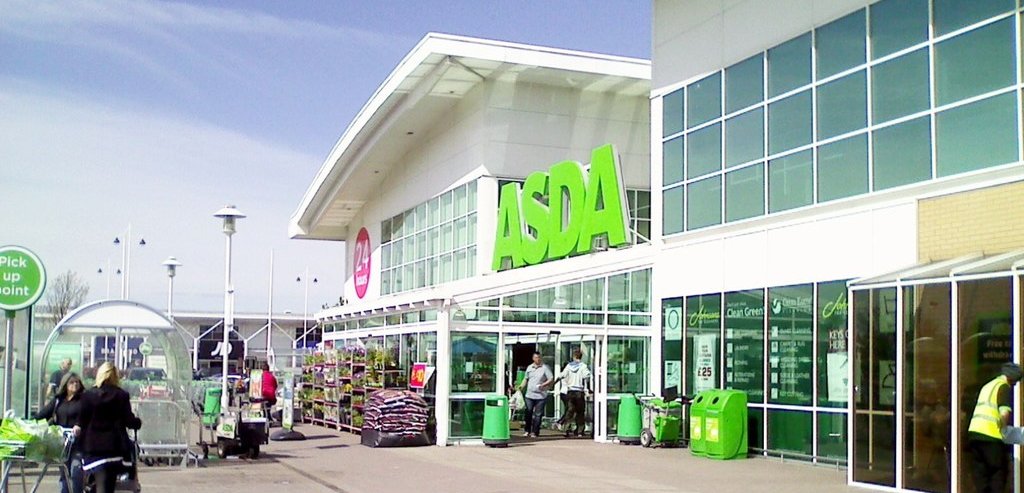
Asda’s restructuring goes deeper than headcount
Asda has cut around 7,500 jobs over the past year as part of a wider restructuring programme designed to simplify the business and stabilise its finances. The scale of the reduction shows how much pressure the supermarket is under as it tries to reset after a difficult period of ownership, investment, and operational disruption. Management says the cuts are not simply a reaction to debt, but part of a broader reshaping of the retailer.
The company’s workforce reduction has coincided with a sharp focus on costs, cash flow, and the mechanics of running a much leaner operation. That is typical of a business trying to protect margins while trading in a highly competitive grocery market. It is also a sign that the easy gains from post-takeover restructuring have largely been exhausted.
Borrowing costs are tightening the squeeze
Asda’s financial position remains central to the story because higher interest rates have made its debt more expensive to service. Reports have pointed to borrowings of more than £730 million in one layer of the group’s structure, while broader company debt has been described as much larger in recent accounts and reporting. However the numbers are framed, the direction of travel is the same: financing costs are a growing burden.
That matters because debt does not just sit on the balance sheet; it constrains strategic freedom. Every pound spent on interest is a pound that cannot go into price investment, store renewal, logistics, or technology fixes. For a supermarket trying to compete on value, that trade-off is brutal.
The online grocery reset has not been painless
One of the clearest operational setbacks has been the overhaul of Asda’s online grocery platform. A major website revamp caused technical problems that frustrated shoppers and contributed to weaker digital performance. In modern grocery retail, that is not a side issue; it hits customer loyalty, basket size, and the perception of reliability.
Online grocery is supposed to be a growth engine, but it becomes a liability if the checkout experience is broken. Customers will not wait around for a supermarket to debug its platform when rival chains are only a click away. The result is that technology failure quickly turns into commercial damage.
Leon’s exit shows how quickly strategy can change
The sale of Leon is another reminder that Asda’s recent strategy has been far from steady. The chain was acquired for around £100 million in 2021, but later sold after weaker trading and heavy losses made it harder to justify. Divesting a side business can be sensible, yet it also signals that the original expansion logic has not delivered the hoped-for returns.
That kind of retreat is common in restructuring cycles. Groups often buy assets to broaden their offer, then shed them when management attention, capital, and performance pressure make the portfolio too complicated. In Asda’s case, Leon became less of a growth lever and more of a distraction from the core supermarket battle.
What the cuts say about the road ahead
Asda says many of the lost roles disappeared after its separation from Walmart IT systems and the sale of Leon, which suggests the restructuring is partly about removing duplication and legacy overhead. It also says its borrowing arrangements run for years and that it still has cash and funding access. That may be true, but it does not erase the broader problem: the business is still carrying the legacy of an expensive takeover and an awkward transition.
The job losses underline a larger truth about modern retail turnarounds. You cannot cut your way to growth, but you also cannot grow cleanly while weighed down by debt, system failures, and declining market momentum. Asda’s challenge now is to make the core business sharper, faster, and more dependable before the next round of pressure arrives.