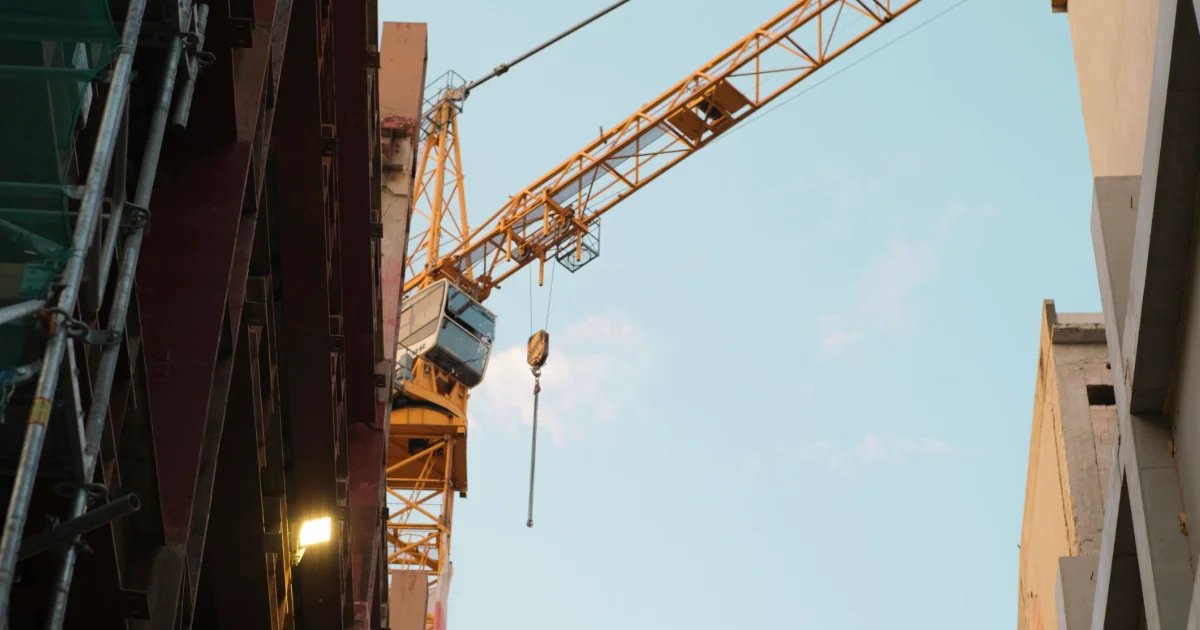
Ardmore’s Sudden Collapse Hits London Hard
Major London construction sites were thrown into uncertainty as Ardmore-linked companies moved into administration after missed payments to staff and subcontractors. The fallout affects more than 100 workers and leaves clients urgently searching for replacement contractors. For a group with a reported turnover of around £350m, the speed of the collapse has stunned parts of the industry.
The businesses caught in the process include Ardmore Major Projects, Ardmore Hotels Commercial, Ardmore Regeneration, Ardmore Fitout and Landmark Facades. Together, they were handling a sizeable workload across the capital. Now that work has been disrupted at the worst possible moment, with schedules, budgets and delivery plans all under pressure.
High-Profile Schemes Now Face Fresh Delays
At the time of its failure, Ardmore was delivering roughly 10 major projects across London. Those schemes included luxury hotel developments in Mayfair and Kensington, two residential tower projects and a major life sciences laboratory campus at King’s Cross. Each one now faces the awkward reality of a contractor exit mid-stream.
That creates a practical headache as much as a financial one. Replacement firms must quickly understand the state of each build, assess risk, and decide how to step in without causing further delays. In construction, a failed contractor rarely means a clean handover; it usually means months of disruption, claims and careful damage control.
Clients are also likely to feel the strain in another way. Replacing an established main contractor at short notice can push up costs, force design compromises and slow down procurement. In a city where delivery timetables are already tight, the ripple effect could be wide.
Fire Safety Claims Changed the Game
Ardmore’s collapse cannot be separated from the wider battle over historic building defects and fire safety remediation. Like many contractors and developers, the group has been dealing with liabilities linked to older residential schemes and the post-Grenfell regulatory shift that followed. Those obligations have become expensive, uncertain and increasingly difficult to ringfence.
A major turning point came when the High Court ruled that Building Liability Orders under the Building Safety Act 2022 could extend liability beyond the original contractor. That meant parent companies and related businesses within the same group could also be exposed. For a large construction business, that is not a technical footnote; it is a direct threat to the corporate structure itself.
The ruling opened the door to broader claims from developers and building owners. It also increased the scale of risk at exactly the moment when confidence in the sector was already fragile. Once lenders and clients sense that liability may spread across a group, fresh work becomes harder to win and more expensive to finance.
Administration, Moratorium and Appeal Run in Parallel
The wider Ardmore Group has not entered full administration, but it has applied for a moratorium. That process gives the business temporary protection from creditor action while rescue options are assessed. Importantly, it allows the directors to remain in control, subject to oversight from an insolvency practitioner.
This split approach suggests the group is trying to preserve what it can while challenging the legal basis of the wider claims. Earlier this week, it was granted permission to appeal to the Court of Appeal, with expedition also approved because of the wider industry significance. The group argues that the case raises serious questions about when a Building Liability Order should be made and how far liabilities should travel within a corporate structure.
For now, administrators will focus on the affected firms while clients try to keep projects moving. That is a familiar pattern in distressed construction, but it is never neat. Every unfinished site brings a fresh mix of contract law, programme pressure and reputational damage.
What Ardmore’s Fall Signals for the Sector
The wider meaning of the collapse goes beyond one contractor. It shows how historic building safety exposure can undermine even a large, active group with a live pipeline of major work. A business can still be busy on site and yet be structurally vulnerable beneath the surface.
It also underlines a bigger truth about the UK construction market: confidence is now tightly linked to liability visibility. If future claims are hard to cap, funders become cautious, clients hesitate and contractors struggle to price risk with any certainty. That is bad news for delivery, bad news for employment and bad news for the stability of the supply chain.
Ardmore’s position will now be watched closely by other contractors, developers and insurers. The Court of Appeal process may yet reshape how the industry thinks about group-wide exposure. But whatever happens next, the message is already clear: unresolved building safety liabilities can bring down far more than one trading arm.